Australian Families Face Breaking Point as Fuel Crisis Drives Grocery Prices Higher
Millions of Australian families are being pushed toward a critical breaking point as soaring fuel prices threaten to make the weekly grocery shop even more expensive. The ongoing conflict in the Middle East, now in its fourth week, has caused fuel prices to skyrocket globally, with Iran's blockade of oil supplies creating severe disruptions. Australian farmers are warning that these increased costs could flow through to shoppers within weeks, exacerbating an already dire cost of living crisis.
Grocery Prices Set to Surge by 16 Percent
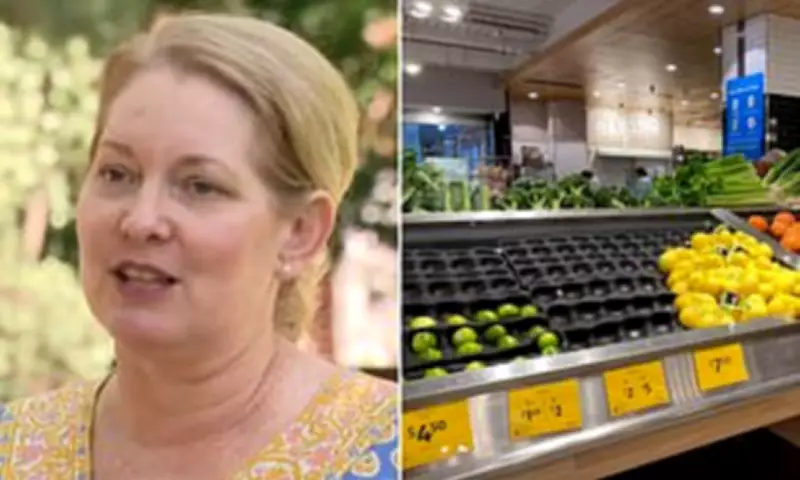
Kim McDonnell, CEO of the food waste app Saveful, has expressed grave concerns about the immediate impact on supermarket shelves. She predicts that fruit, vegetables, and dairy products will be among the first grocery items to experience significant price increases. "Farmers are estimating grocery prices to go up another 16 percent in the next month or so, which is staggering, and will be the tipping point for a lot of families," Ms McDonnell told the Daily Mail.
"Families are already struggling with the rising cost of living crisis and increasing mortgage rates, and now rising grocery costs... it really is just going to be a critical breaking point for so many." She emphasized that many households will be forced to make heartbreaking compromises at the checkout, particularly if supermarkets reintroduce temporary limits on goods to prevent panic buying, similar to measures seen during the Covid pandemic.

Nutritional Compromises and Practical Advice
Ms McDonnell noted that families are already making difficult decisions about nutrition, trying to balance healthy choices against tightening budgets. "We've seen people start hoarding fuel when the war first broke out... I think people are very conscious when they go into supermarkets now and already see that the shelves aren't as full as they used to be," she explained.
For those looking to save money, she offered several practical tips:
- Plan shopping lists carefully to avoid impulse purchases
- Take note of estimated shelf-life dates to reduce waste
- Ensure proper food storage at home to extend freshness
- Consider frozen alternatives when fresh produce becomes too expensive
- Batch cook and meal plan for the week ahead
"None of us buy food with the intention of wasting it. Food is such a precious commodity. None of us can afford to waste it," she added, highlighting the importance of mindful consumption during this crisis.
Farmers Warn of Halved Winter Crop Production
The warning from food experts comes just days after Australia's peak farming body issued a dire prediction about winter food production. National Farmers' Federation president Hamish McIntyre told ABC Radio that winter crop production could be halved if sufficient urea fertilizer isn't transported to farms in time. "Diesel drives food production across Australia, so we need to make sure it's available for our essential services, number one, but then our farmers and food producers after that," he stated.
"If we can't get our in-crop requirements after May, the winter crop in Australia could be halved." This potential shortage threatens to further strain supply chains and increase prices for consumers already facing financial pressure.
Transport Sector Seeks Relief from Fuel Costs
Meanwhile, the transport industry is taking action to address the crisis. Corporate giants using subcontracted delivery drivers faced the Fair Work Commission as part of a union-led effort to force them to cover surging fuel costs. The Transport Workers Union and the Australian Road Transport Industrial Organisation have jointly applied for gig workers, owner-drivers, and transport businesses to pass increased fuel bills back to major corporate clients like Coles, Woolworths, Aldi, McDonald's, and Amazon.
Several companies have already implemented changes:

- Woolworths has increased the levy drivers can charge manufacturers and moved to fortnightly fuel levy reviews
- Coles will now review its fuel levy for truck drivers every fortnight
- Rideshare giant DiDi introduced a 5c per kilometer increase that goes directly to drivers
- Uber is overhauling its fee structure to provide drivers with an average 6% earnings increase nationwide
Government Intervention to Protect Supply Chains
In response to the growing crisis, Workplace Relations Minister Amanda Rishworth announced amendments to the Fair Work Act that will fast-track applications for emergency supply-chain orders. These changes will scrap the current six-month waiting period, allowing the Fair Work Commission to issue orders compelling transport clients to offer fair contract terms that reflect soaring fuel costs linked to the Middle East conflict.
The fuel crisis is creating a perfect storm of challenges for Australian households, from the farm gate to the supermarket checkout. With grocery prices predicted to rise significantly in coming weeks and winter crop production under threat, families face increasingly difficult choices about how to stretch their budgets while maintaining nutritional standards.