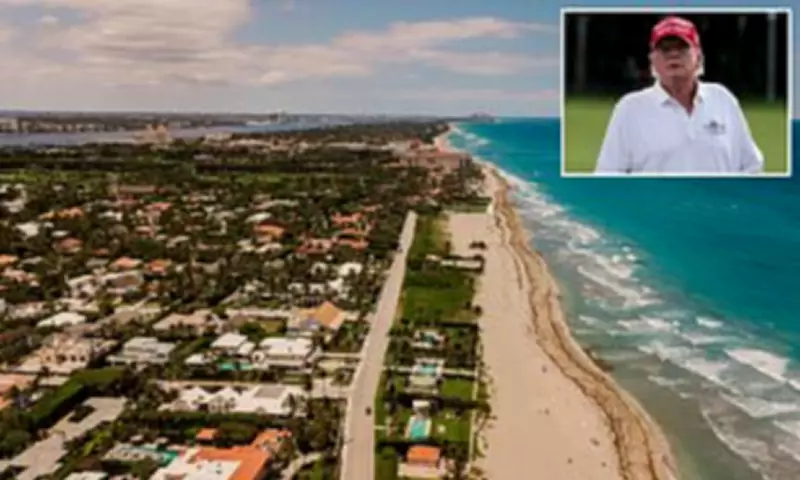
Fuel Costs Skyrocket in Trump's Florida Hometown Amid Iran Conflict
Gasoline prices in Palm Beach County have experienced a dramatic 25 percent increase over the past month, directly following President Donald Trump's declaration of war against Iran. According to the latest AAA fuel tracking data, drivers in Trump's Florida hometown are now paying an average of $4 per gallon at the pump, marking an overnight jump of 11 cents.
Local and National Impacts of the Price Surge
The current price represents a full dollar more per gallon compared to last month, before military operations against Iran commenced. West Palm Beach has recorded some of Florida's highest fuel costs, with residents now paying 87 cents more per gallon than they did just four weeks ago. While Palm Beach County is known for its wealthy coastal compounds inhabited by millionaires and billionaires, the workers who maintain the county's operations face significant challenges from this sudden price spike.
The fuel price crisis extends far beyond Florida's borders, with the national average now reaching $3.79 per gallon – a substantial 30 percent increase from last month's average. This represents the highest fuel prices recorded since 2022, with the surge directly linked to Iran's strategic closure of the Strait of Hormuz to most oil tankers in response to joint US-Israeli military actions.

Geopolitical Tensions and Shipping Disruptions
President Trump addressed the growing crisis on Monday, revealing he has demanded approximately seven countries deploy warships to keep the critical Strait of Hormuz open as fears of a global energy crisis intensify. However, Iranian strikes on commercial vessels in and around the strategic waterway, along with the persistent threat of attacks, have reduced shipping traffic to a mere trickle.
Since hostilities with Iran began, approximately twenty vessels in the region have come under attack, with Iranian fire effectively halting traffic through the narrow mouth of the Persian Gulf. This is particularly significant as the Strait of Hormuz facilitates the passage of twenty percent of all globally traded oil and natural gas.
Political Messaging and International Response
The dramatic increase in oil and gasoline prices comes just weeks after President Trump boasted about gas prices at $2.30 per gallon during his State of the Union address. The President has criticized US allies for their lukewarm response to his call for international assistance in protecting shipping through the critical waterway.
'We strongly encourage the other nations to get involved with us and get involved quickly and with great enthusiasm,' Trump told reporters during a White House event. 'The level of enthusiasm matters to me.'
While Trump indicated that several unnamed countries had committed to helping secure the waterway, he expressed frustration with others who appeared less enthusiastic about participation. 'For 40 years, we're protecting you, and you don't want to get involved,' the President remarked.
Administration Response and Economic Implications
Since the Iran conflict triggered the oil and gasoline price spike, the Trump administration has faced challenges in articulating a clear strategy for reopening the critical waterway. Energy Secretary Chris Wright acknowledged on Sunday that there are 'no guarantees' regarding when prices might decrease, warning that consumers should expect 'some elevated pricing' until the war concludes.
'I can guarantee the situation would be dramatically worse without this military operation to defang the Iranian regime,' Wright stated during an appearance on ABC News' This Week program.
The Energy Secretary expressed hope that prices would not reach the $5 per gallon highs recorded during the Biden Administration, though he suggested that even if they did, 'at least this increase in gasoline prices is for something that's going to change the geopolitical situation in the world forever.'

Political Calculations and Messaging Shifts
In recent days, President Trump has attempted to reframe his messaging, shifting from a focus on maintaining low energy prices to portraying high oil prices as potentially beneficial. 'The United States is the largest Oil Producer in the World, by far, so when oil prices go up, we make a lot of money,' Trump wrote in a Truth Social post last Thursday.
The President continued: 'BUT, of far greater interest and importance to me, as President, is stopping an evil Empire, Iran, from having Nuclear Weapons, and destroying the Middle East and, indeed, the World. I won't ever let that happen!'
This apparent shift in messaging suggests that Trump's domestic political interests may be increasingly at odds with his foreign policy objectives. The timing is particularly delicate as Trump and the Republican Party prepare for the upcoming November midterm elections. While Trump has previously credited high gas prices with helping him defeat Biden, he indicated last week that he has no concerns about rising costs potentially influencing voters this year or creating pressure to prematurely end the conflict.