The ongoing military conflict in Iran has imposed a staggering financial burden on American households, estimated at $100 billion since the conflict began in February 2026. This translates to roughly $750 per household, driven primarily by a 35 percent surge in oil prices following the closure of the strategic Strait of Hormuz.
Rising Fuel and Food Costs
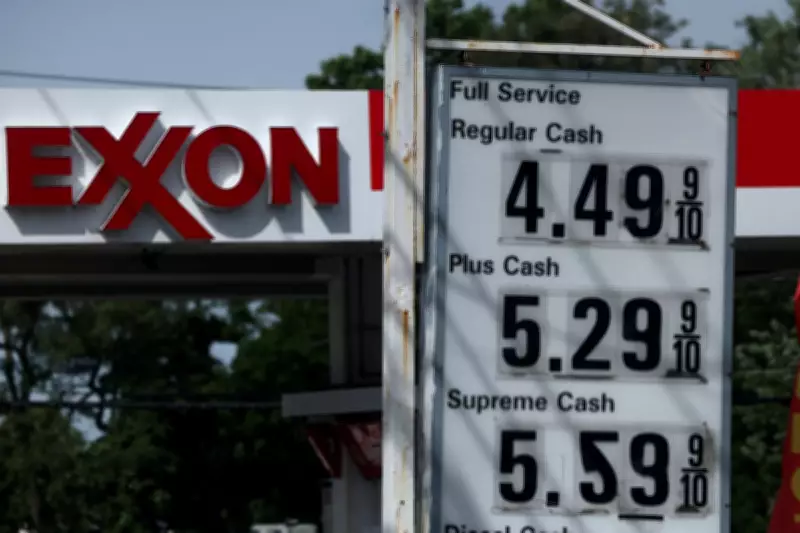
The national average price for regular gasoline has climbed to $4.29 per gallon, with six states now seeing prices topping $5 per gallon. Disrupted shipping lanes have exacerbated the situation, leading to higher transportation costs that ripple through the economy. Grocery prices are also climbing, adding to the financial strain on families.
Public Sentiment and Economic Concerns
Despite the White House dismissing concerns, a May survey revealed that 53 percent of Americans believe the cost of living is the worst they can remember. Economists warn that mounting financial pressure, coupled with a low personal savings rate of 2.6 percent, could force middle and lower-income families to reduce spending, further weighing on the economy.

The conflict, initiated by President Donald Trump without congressional approval, has sparked debate over its legality and economic consequences. As the situation evolves, households continue to grapple with the immediate financial impact and uncertainty about the future.