The escalating conflict in the Middle East, particularly involving Iran, is sending economic shockwaves across the globe, with everyday items facing significant price hikes due to their reliance on petroleum-derived materials. This crisis is poised to impact a wide array of consumer products, from children's stuffed toys to essential medical supplies, as manufacturers grapple with rising production costs.
Petrochemicals at the Heart of the Crisis
At the core of this economic turmoil are petrochemicals, which are derived from crude oil and natural gas. These chemicals are fundamental components in over 6,000 consumer goods, including items like computer keyboards, lipstick, shoes, and various medical devices. The reliance on these materials means that fluctuations in oil prices directly translate to cost pressures throughout the supply chain.
Immediate Impacts on Toy Manufacturers
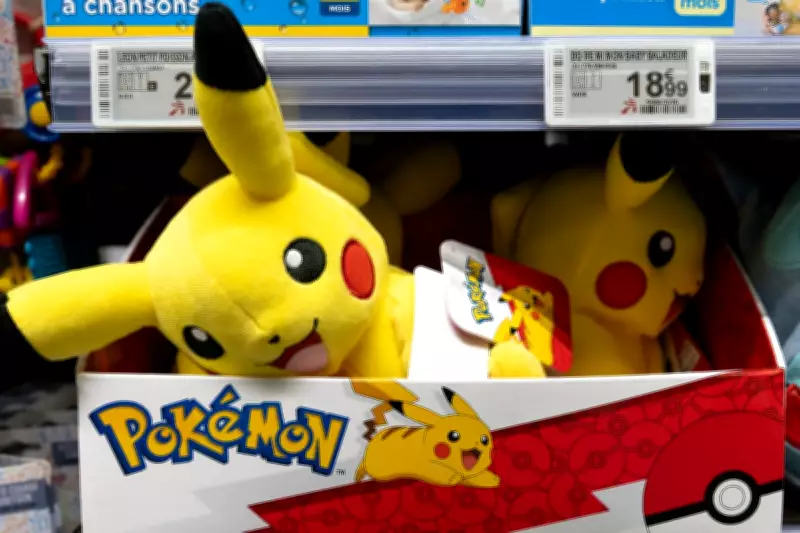
Suppliers in China have already alerted companies, such as Aleni Brands, about impending cost increases of 10-15% for synthetic fibres like polyester and acrylic. These materials are essential for producing children's stuffed toys, making them particularly vulnerable to the current market instability. As a result, manufacturers are being forced to reassess their pricing strategies and inventory management.

Broader Consumer Goods Affected
Beyond toys, the ripple effects are spreading to other sectors. Manufacturers like Rinseroo and Gentell are responding to the crisis by either pre-ordering large quantities of materials to lock in current prices or planning to pass on cost increases to customers, with hikes of 15% or more anticipated. This could lead to higher prices for a diverse range of products, from pens and shaving cream to electronics and healthcare items, affecting household budgets globally.
Expert Warnings and Future Projections
Experts caution that if oil prices remain elevated above $90 per barrel for an extended period of several months, these cost pressures will accelerate significantly. This scenario could result in widespread price increases for shoppers, potentially manifesting by late summer or early 2027. The prolonged nature of the conflict in the Middle East adds uncertainty, making it crucial for businesses and consumers to prepare for ongoing economic challenges.
In summary, the Iran war crisis is not just a geopolitical issue but a tangible economic threat that could reshape pricing for everyday items, underscoring the interconnectedness of global markets and the vulnerability of consumer goods to petrochemical dependencies.