New Cost of Living Support Measures Take Effect This Month
Prime Minister Keir Starmer has confirmed that a series of new support measures for households struggling with the cost of living will come into force from April 1, 2026. The announcement comes as families face rising bills and economic uncertainty, exacerbated by global tensions in the Middle East and fluctuating fuel prices.
Government Pledges to "Bear Down on Costs"
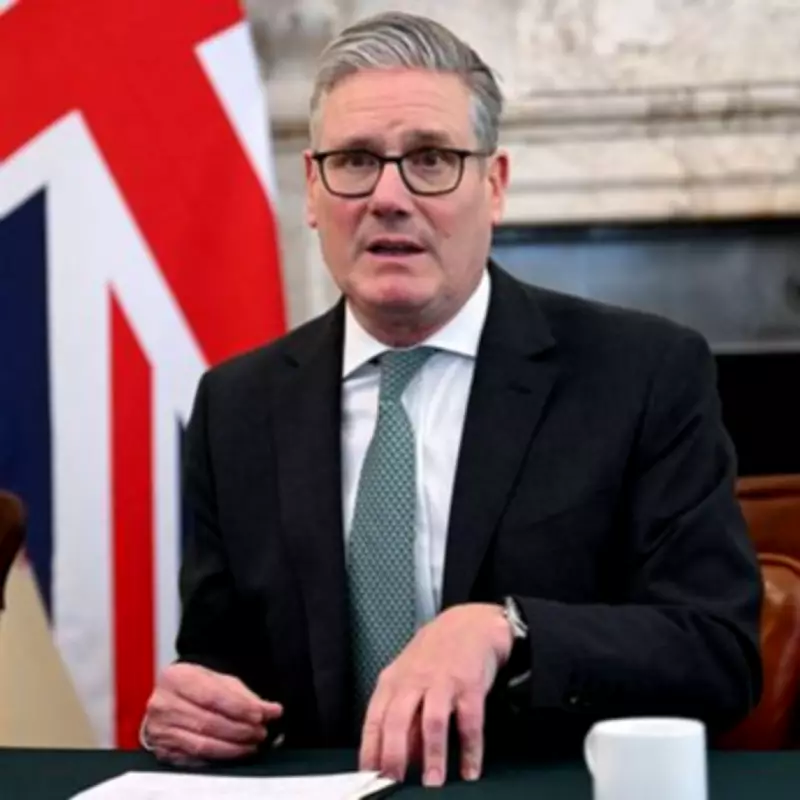
In a statement, Sir Keir Starmer emphasised the government's commitment to assisting the public during these challenging times. "I know the public are concerned about the conflict in Iran and what it means for them and their families," he said. "I want to reassure them that they have a government on their side, working with allies on de-escalation and bearing down on the cost of living."
The Prime Minister highlighted that the government's focus includes diplomatic efforts to reopen the Strait of Hormuz, which he believes is crucial for reducing living costs. "Today, millions of people up and down the country will see energy bills go down by £117, wages go up for the lowest paid, and more support will be available for people who need it most – because of the decisions this government has taken," he added. "But we must go further to bear down on costs, and that means pushing for de-escalation in the Middle East."

Key Support Measures Introduced in April
The government has outlined five specific measures designed to provide immediate relief to households:
- Increase in the National Living Wage: A rise of 4.1% will benefit approximately 2.4 million workers, offering an annual boost of around £900 per person based on government estimates.
- Increase in the National Minimum Wage: A larger increase for young workers will provide a £1,500 annual boost for over 200,000 individuals.
- Energy Bill Reduction: Households will see an average cut of £117 on their annual energy bills, resulting from a 7% drop in the Ofgem price cap effective from April. This reduction stems from plans announced by Chancellor Rachel Reeves in last year's Budget, though it is temporary and set to last only until the end of June, with concerns about potential future increases.
- Launch of the Crisis and Resilience Fund: This new fund, operational in England from April, aims to support low-income households facing financial shocks and promote activities that enhance individual and community financial resilience, according to official government guidance.
- Prescription Price Freeze: The cost of NHS prescription items in England will remain frozen for another year, with most items priced at £9.90 each. Certain items, such as contraception and medicines for hospital inpatients, will continue to be free of charge.
Broader Economic Context and Future Outlook
The introduction of these measures occurs against a backdrop of persistent inflationary pressures and geopolitical instability. The government's strategy not only addresses immediate financial hardships but also seeks to build longer-term resilience through initiatives like the Crisis and Resilience Fund.
However, experts caution that the energy bill reduction is a short-term fix, with the lower rate applicable only until June. There are apprehensions that costs could rise again in subsequent price cap announcements, underscoring the need for sustained policy efforts.
Overall, these April measures represent a concerted effort by the Starmer administration to alleviate the burden on households while navigating complex global challenges. The Prime Minister's emphasis on diplomatic engagement highlights the interconnected nature of domestic economic policies and international affairs in tackling the cost of living crisis.