Oil Prices Plummet and Stocks Surge After Trump Announces Conditional Ceasefire with Iran
Oil prices plunged by nearly 15% and global stock markets rallied sharply following an announcement by former US President Donald Trump of a conditional ceasefire with Iran. The development came just over an hour before a deadline set by Trump for potential military strikes, averting immediate escalation in the ongoing US-Israel conflict with Tehran.
Market Reactions to the Provisional Agreement
Brent crude oil, the international benchmark, dropped 14.4% to $93.48 per barrel, while futures for US crude oil sank 14.7% to $96.27. Despite this significant decline, prices remain elevated compared to levels before the conflict began. In Asian markets, Australia's S&P/ASX 200 surged almost 3%, Japan's Nikkei rose more than 4%, and South Korea's Kospi gained 6%. Futures for the S&P 500 advanced 2.3%, and Dow futures increased by 2%.
In the bond market, Treasury yields eased on news of the potential ceasefire, with the yield on the 10-year Treasury falling to 4.24% from 4.30%. Gold prices rose over 2% to $4,812 per ounce, reflecting ongoing investor caution amid geopolitical uncertainties.

Details of the Ceasefire and Strait of Hormuz Reopening
Posting on Truth Social, Trump stated he would hold off on threatened attacks on Iran's civilian infrastructure, including bridges and power plants, subject to Tehran agreeing to a two-week ceasefire and reopening the Strait of Hormuz. Iran's national security council confirmed acceptance of the ceasefire, provided attacks against Iran are halted. Tehran announced that peace negotiations with the US would commence in Islamabad on Friday.
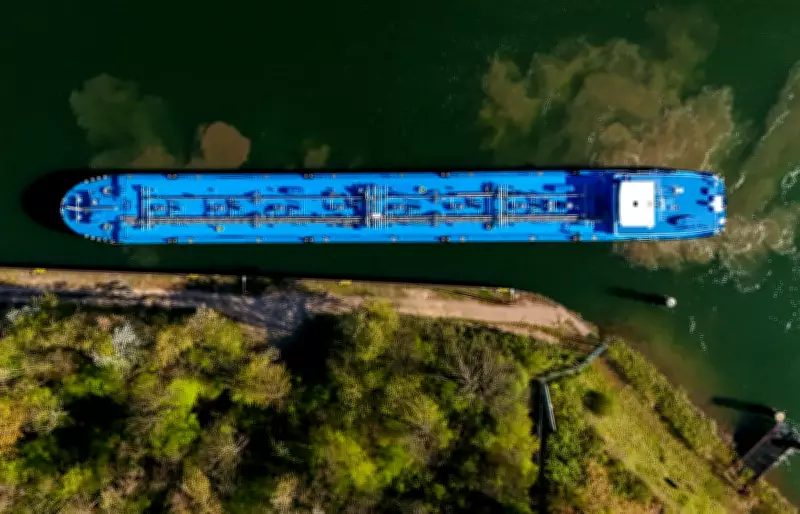
The Strait of Hormuz, a critical chokepoint through which a fifth of global oil and liquefied natural gas is transported, has been largely closed by Iran during the conflict, causing a global energy crunch. Under the agreement, Iran pledged to allow passage through the strait for the next two weeks under the management of its military.
Expert Analysis and Future Uncertainties
Charu Chanana, chief investment strategist at Saxo, told Reuters that the pivotal test is whether negotiations progress over the next two weeks and whether insurers and tanker operators regain enough confidence for normal traffic through Hormuz. "That will determine whether this remains just a relief rally or starts to look more like a durable de-escalation," she said.
Earlier, US stocks experienced sharp swings during regular trading as uncertainty about the war increased after Trump threatened severe consequences if Iran did not meet his deadline. The S&P 500 fell as much as 1.2% but rallied at the end of trading following appeals from Pakistan's prime minister to extend the deadline and reopen the strait.
Background and Context of the Conflict
Oil prices have surged since the US and Israel struck Iran at the end of February, unleashing a conflict that has lasted over five weeks. The closure of the Strait of Hormuz by Tehran has exacerbated global energy supply concerns, contributing to market volatility. The outcome of the upcoming US-Iran talks remains uncertain, and the long-term management of the strait beyond the two-week grace period is yet to be determined.
While markets have embraced the news of a provisional ceasefire, analysts warn that sustained de-escalation will depend on the success of negotiations and the restoration of normal shipping operations through the strategic waterway.