Oil Prices Skyrocket as Iran Conflict Seals Off Strait of Hormuz
Global oil markets experienced a dramatic surge on Monday, with Brent crude jumping by as much as 13% in early trading, reaching $82 per barrel—a 14-month high. This sharp increase came in response to intense military strikes by the United States and Israel on Iran, which have effectively closed the Strait of Hormuz, a critical artery for international trade. The disruption has sent shockwaves through financial markets, intensifying concerns over oil supplies and broader economic stability.
Stock Markets Under Pressure Amid Escalating Tensions
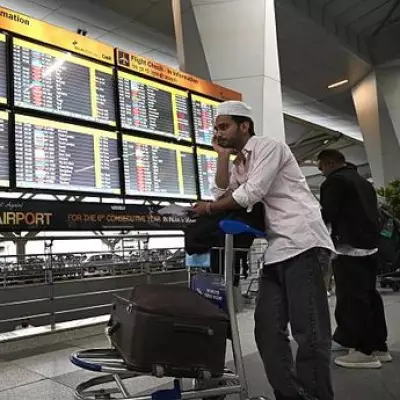
Asian stock markets reacted swiftly to the weekend's developments, with the Nikkei 225 in Tokyo falling by nearly 2.4%. In Sydney, the ASX 200 opened sharply lower before recovering slightly to trade about 0.4% down. Pre-market trading indicated that Wall Street was also poised to open lower on Monday, reflecting widespread investor anxiety. Meanwhile, gold, often viewed as a safe-haven asset during crises, rose 2.8% to $5,397.10 per ounce, underscoring the flight to safety among traders.
Strait of Hormuz: A Vital Chokepoint for Global Energy
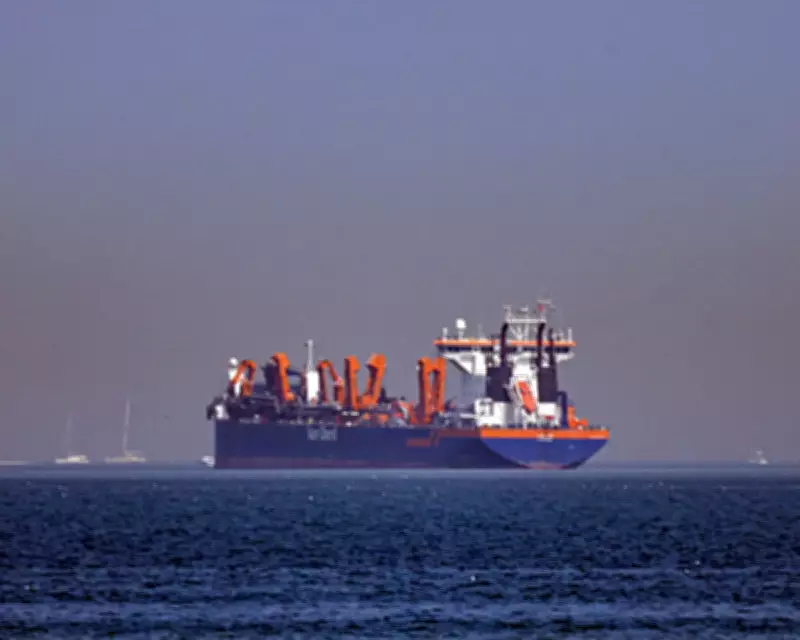
The Strait of Hormuz is one of the world's most crucial maritime passages, handling approximately one-fifth of global oil supplies and a significant volume of seaborne gas tankers. Within hours of the US-Israeli strikes on Saturday, Tehran reportedly warned tankers that no ships would be allowed to pass through the strait. While Iran has not officially confirmed the blockade, marine tracking sites showed tankers accumulating on both sides, wary of attacks or unable to secure insurance for the voyage.

According to the United Kingdom Maritime Trade Operations (UKMTO), two ships have been attacked in the strait—one off Oman and another off the UAE. This has further heightened security concerns, prompting major shipping companies like Maersk to halt passage through the Strait of Hormuz and the Suez Canal, citing safety reasons. The move underscores the immediate impact on global logistics and trade routes.
Military Strikes and Economic Fallout
Military actions by the US and Israel show no signs of abating, with former President Donald Trump suggesting the conflict could persist for another four weeks, stating that attacks would continue until US objectives are met. Although oil prices retreated slightly from their initial highs, Brent crude remained up at least 7% during early trading, indicating sustained market volatility.
The OPEC+ cartel agreed to a modest oil output boost of 206,000 barrels per day for April, but much of this production must still exit the Middle East via tankers. Iran, a key OPEC+ member producing 4.5% of global supplies, faces potential shipment disruptions that could ripple through the wider market. Jorge León, head of geopolitical analysis at Rystad Energy, noted, "The most immediate and tangible development affecting oil markets is the effective halt of traffic through the Strait of Hormuz, preventing 15 million barrels per day of crude oil from reaching markets. Unless de-escalation signals emerge swiftly, we expect a significant upward repricing of oil."
Long-Term Implications for Global Economy
The closure of the Strait of Hormuz not only threatens immediate oil supply chains but also poses risks to long-term economic stability. With tensions escalating and no clear resolution in sight, analysts warn of prolonged disruptions that could drive inflation higher and strain global trade networks. Investors are closely monitoring developments, as further military actions or diplomatic failures could exacerbate the situation, leading to more severe market corrections and economic uncertainty.