Oil Markets React Sharply to Trump's Iran War Address
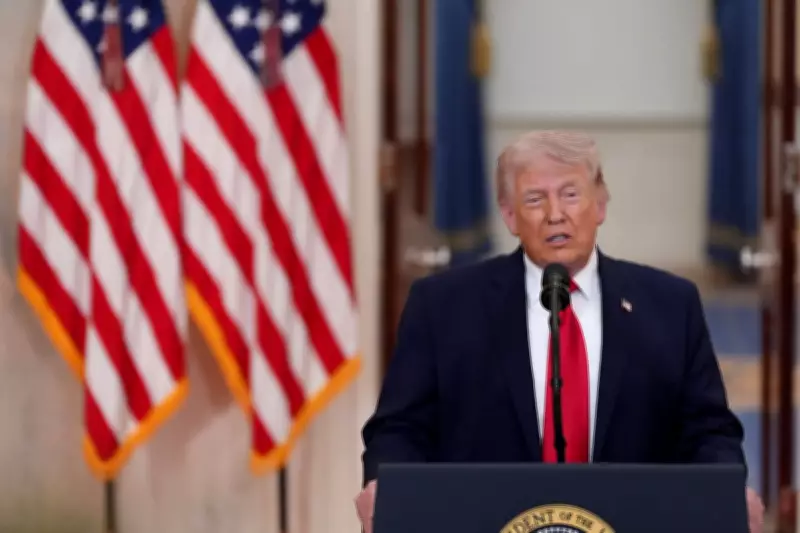
Oil prices experienced a significant surge on Thursday, climbing more than $4 per barrel, after President Donald Trump delivered a national address vowing to continue military strikes against Iran. In his speech, Trump asserted that the United States would maintain its offensive, targeting Iranian energy and oil infrastructure over the coming weeks.
Financial Impact and Market Volatility
Brent crude futures rose sharply by $4.88, representing a 4.8 percent increase, to reach $106.04 per barrel by 2am GMT. Similarly, US West Texas Intermediate crude futures increased by $4.17, or 4.2 percent, settling at $104.29 per barrel. This market movement reflects heightened anxiety among traders and investors regarding the ongoing conflict's disruption to global oil supplies.
Trump's Claims and Strategic Objectives
During his 17-minute prime-time address, President Trump declared that core strategic objectives are nearing completion in the military campaign, dubbed Operation Epic Fury. However, he provided no specific details about these objectives or a clear timeline for concluding hostilities. Tonight, I'm pleased to say that these core strategic objectives are nearing completion, Trump stated, without elaborating further.

The president reiterated previous justifications for the month-long bombing campaign, emphasizing the perceived threat of Iran developing nuclear weapons. He also paid tribute to the 13 American service members who have lost their lives in the conflict, claiming their families urged him to finish the job.
Political Reactions and Domestic Criticism
Trump's address faced immediate criticism from political opponents and former officials. Democrats labeled the speech as incoherent and lacking substantive answers. Senator Mark Warner highlighted the economic repercussions, noting rising prices for gasoline, diesel, fertilizer, and other essentials. Senator Chris Murphy argued that the speech existed in a reality only in Donald Trump's mind, leaving Americans uncertain about escalation or de-escalation.
Former counterterrorism chief Joe Kent warned that the best time to exit the war is now, before further loss of life. Meanwhile, a recent CNN and SSRS poll revealed that only one-third of Americans approve of the military action, with 67 percent doubting Trump has a clear plan for the situation.
International Responses and Regional Tensions
Iranian President Masoud Pezeshkian issued a message warning that Iran can endure any aggression from the US, accusing Israel of dragging America into the conflict as a proxy. Today, the world stands at crossroads, Pezeshkian stated, advocating for diplomacy over confrontation. Concurrently, the Israeli military reported intercepting a new missile launch from Iran shortly after Trump's address, with sirens activated across northern Israel.
Global Ripple Effects and Humanitarian Concerns
The conflict's impact extends beyond the immediate region, with countries like Bangladesh facing severe fuel shortages. As a nation heavily reliant on energy imports, Bangladesh has implemented fuel rationing and university closures amid fears of depleting reserves. This situation underscores the broader economic and humanitarian consequences of the war, affecting millions globally.
President Trump also addressed domestic concerns, blaming the short term increase in gas prices on Iranian deranged terror attacks. He boasted about the US economy's strength, claiming it is prepared to withstand such challenges, though critics argue the conflict exacerbates inflationary pressures and economic instability.