Oil Prices Surge Amid Middle East Conflict, Threatening UK Interest Rate Cut
Oil prices surged dramatically this morning following renewed fighting between Iran and US-Israeli forces in the Middle East, sparking fears that the Bank of England may postpone an anticipated interest rate cut this month. Brent Crude rose nearly 13 per cent in early trading to reach its highest price in over a year, as fresh conflict erupted in the world's busiest oil production and shipping region.
Strategic Shipping Route Under Threat
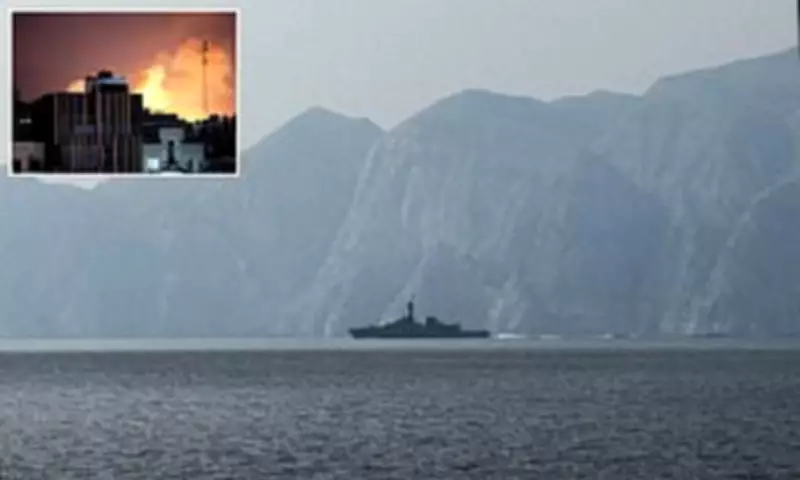
Iran has reportedly issued warnings to tankers navigating the Strait of Hormuz, declaring that no ships will be permitted to pass through this critical strategic shipping route out of the Persian Gulf. This development raises significant concerns about the domestic impact on UK families, with potential increases in petrol prices and overall inflation looming large.
In January, UK inflation fell to its lowest level in almost a year, fostering hopes of a March interest rate reduction to assist homeowners. However, a sharp surge in pump prices could compel the Bank of England to pause and assess the fallout from Donald Trump's military actions against Tehran.

Market Reactions and Economic Ripples
London's FTSE 100 Index opened lower, declining more than 1 per cent at one stage before partially recovering. The sea around Hormuz is utilised by tankers transporting approximately one-fifth of the world's oil supplies and seaborne gas, making any disruption profoundly consequential.
UK Maritime Trade Operations Centre officials confirmed that two vessels have been struck near the vital Hormuz trade artery. Meanwhile, Israel launched strikes on Lebanon's capital Beirut today after missiles were fired by militant group Hezbollah, following US and Israeli attacks on Iranian targets over the weekend.
By Monday morning, Brent crude oil had soared by as much as 13 per cent before paring back, settling 7.6 per cent higher at 77.8 dollars a barrel after 8am. Despite this volatility, City analysts noted that markets have remained relatively contained in their reaction to the conflict so far.
Analyst Perspectives and Currency Movements
Chris Beauchamp, chief market analyst at IG, commented: 'While we have seen a significant surge in oil prices since markets opened last night, the gains appear contained for now as we wait to see if shipping through Hormuz can continue at lower levels or will be blocked entirely. Oil and gas infrastructure in the region has not yet been extensively targeted, keeping oil well south of the 100 dollar barrel range that many expected as a result of the weekend.'
Concurrently, the pound dipped in value against the US dollar to its weakest level since December. This decline is partly attributed to the strength of the dollar, as investors flock to the US currency as a safe haven amid geopolitical uncertainty. The pound was down 0.92 per cent at 1.335 versus the dollar on Monday morning.
Sector-Specific Impacts on London Stocks
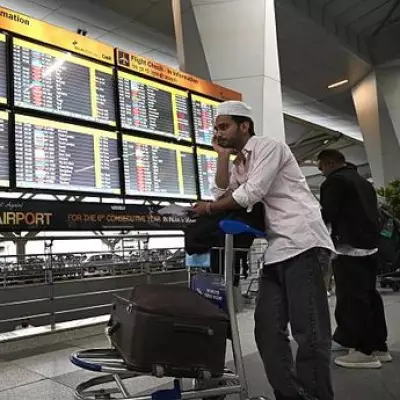
London stocks exhibited broad weakness, with travel stocks experiencing particularly sharp declines. Cruise giant Carnival slid by 8 per cent, while airline firm IAG, the parent company of British Airways, dipped by 7.6 per cent. Rival Wizz Air, which typically operates flights to Dubai and Abu Dhabi, also fell 7.3 per cent in early trading, and travel-focused retail groups SSP and WH Smith recorded significant losses.
In contrast, defence stocks emerged as gainers, with BAE Systems lifting by 7.4 per cent to 2,268p. Oil and energy stocks also strengthened, with Shell and BP rising by 4.5 per cent and 3.5 per cent respectively as oil prices climbed.
International stock markets opened weaker as well, with Tokyo's Nikkei 225 falling by 1.5 per cent after Asian markets commenced trading, reflecting global apprehension over the escalating Middle East tensions and their economic implications.