Pauline Hanson's Fuel Price Campaign Gains Momentum in Australia
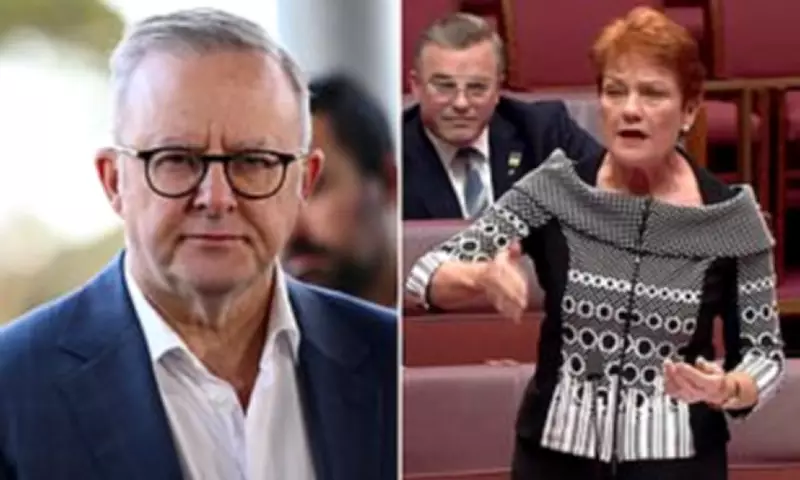
Pauline Hanson, the leader of the One Nation party, has launched a high-profile campaign aimed at reducing fuel prices across Australia. This initiative comes in response to growing concerns over the escalating cost of petrol and diesel, which has placed a significant financial strain on households and businesses nationwide.
Rising Costs Prompt Political Action
Recent data indicates that fuel prices in Australia have surged to record highs, driven by factors such as global oil market fluctuations, supply chain disruptions, and domestic taxation policies. Hanson argues that these increases are unsustainable and disproportionately affect rural and regional communities, where residents often rely heavily on vehicles for daily transportation and economic activities.
In a statement, Hanson emphasized the urgency of the issue, stating, "Australians are struggling to fill up their tanks, and it's time for the government to step in and provide real relief." Her campaign calls for immediate measures, including:

- A review of fuel excise taxes to potentially lower rates.
- Increased transparency in pricing from fuel retailers.
- Support for alternative energy sources to reduce dependency on fossil fuels.
Public and Political Reactions
The campaign has garnered mixed reactions from the public and political spheres. Supporters praise Hanson for addressing a critical cost-of-living issue, with many sharing personal stories of hardship due to high fuel expenses. However, critics question the feasibility of her proposals, pointing to complex economic and environmental considerations.
Political analysts note that this move could bolster Hanson's popularity ahead of upcoming elections, particularly among voters in affected areas. The debate has also sparked broader discussions about energy policy and economic resilience in Australia.
Looking Ahead
As the campaign gains traction, it remains to be seen whether government officials will heed Hanson's calls for action. With fuel prices continuing to be a hot-button topic, this initiative highlights the ongoing challenges faced by consumers and the potential for political movements to influence policy decisions in the future.