Britons Brace for Price Hikes Despite Starmer's Pledges to Ease Cost of Living Crisis
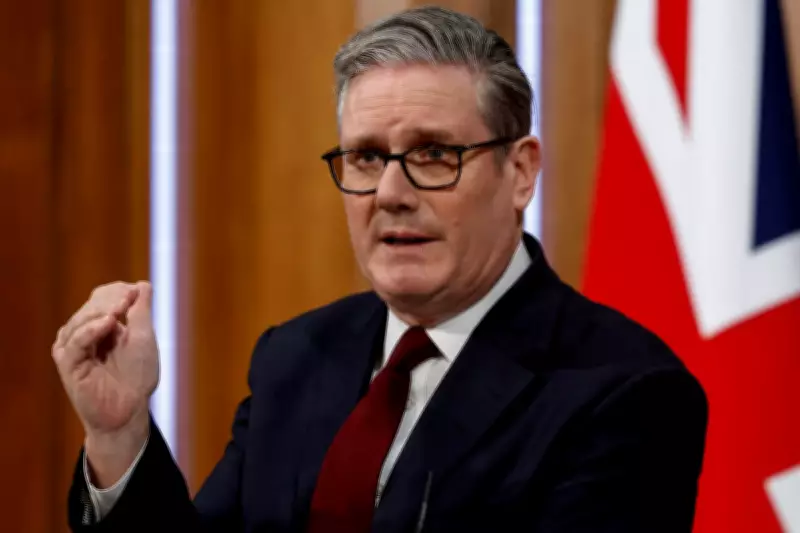
Households and businesses across the United Kingdom are preparing for significant price rises and increased bills, despite a comprehensive package of measures recently unveiled by Prime Minister Sir Keir Starmer. These measures are specifically designed to combat the nation's spiralling cost of living. Sir Keir has firmly pledged that his government will "protect the British people at home and abroad" in what he describes as an "uncertain and volatile world."
Strait of Hormuz Closure Escalates Economic Pressure
However, the Prime Minister issued a stark warning that the ongoing conflict in Iran, which has led to the blockage of the Strait of Hormuz, must be resolved to alleviate the UK's escalating economic crisis. This crucial shipping route is vital for a substantial portion of the world's oil supply. Sir Keir emphasized that its reopening is essential to ease the severe financial pressures facing British families.
On Tuesday, Sir Keir Starmer chaired a meeting of the Cobra crisis committee to assess the conflict's impact on households and the broader economy. To date, the government has resisted calls for widespread financial assistance with bills, opting instead for targeted support aimed at those struggling most with soaring heating oil costs.

Government Measures and Mounting Pressure
The Prime Minister highlighted several key initiatives his administration has implemented, including:
- An average reduction in home energy bills by £117 annually.
- An increase in the national minimum wage to £10.85 per hour.
- A rise in the national living wage to £12.71 per hour.
- The launch of a £1 billion crisis and resilience fund to aid vulnerable households with heating oil prices.
- A freeze on prescription charges.
Despite these actions, Sir Keir and the Chancellor are under increasing pressure to implement further measures. Campaigners have accused ministers of treating drivers as a "cash cow for the Treasury," urging the government to follow European nations in taking decisive steps to shield consumers from rapidly climbing fuel prices.
"I know the public are concerned about the conflict in Iran and what it means for them and their families," Sir Keir stated. "I want to reassure them that they have a government on their side, working with allies on de-escalation and bearing down on the cost of living."
He added, "Today, millions of people up and down the country will see energy bills go down by £117, wages go up for the lowest paid, and more support will be available for people who need it most - because of the decisions this government has taken. But we must go further to bear down on costs, and that means pushing for de-escalation in the Middle East and a re-opening of the Strait of Hormuz. That is the best way we can bring down the cost of living for families and that is my focus."
Widespread Bill Increases Set to Impact Households
Nevertheless, numerous essential bills are poised to rise significantly. From 1 April, according to the Ministry of Housing, Communities and Local Government, the average Band D council tax will increase by £111, or 4.9 per cent, reaching £2,392 annually. Simultaneously, household water bills across England and Wales are set to rise by an average of 5.4 per cent, equating to an additional £33 per year for the typical household.
Broadband and mobile phone costs are also climbing. Major providers are implementing hikes:
- BT, EE, Plusnet, and Virgin Media are increasing broadband prices by £4 per month.
- Sky is raising prices by £3 per month.
- Vodafone is implementing a £3.50 per month increase.
These adjustments will add nearly £50 more to annual bills for many consumers. Compounding this issue, approximately one in four broadband customers is currently out of contract, paying up to £9 more per month than those within contract periods.

Energy Market Volatility and Business Concerns
While the price most households pay for energy under Ofgem's price cap will fall by 7 per cent, or £117 annually, to £1,641—driven by the government's commitment to cut bills by removing green subsidies—the situation remains precarious. Energy bills are anticipated to spiral again from July due to the Iran war, potentially increasing by as much as £300 per year.
The business sector faces even greater challenges, as companies are not protected by any price cap. They are bracing for painful surges in gas and electricity tariffs, with disruption to key shipping routes sending wholesale prices soaring.
Hospitality industry leaders, including UKHospitality, the British Beer and Pub Association, the British Institute of Innkeeping, and Hospitality Ulster, have issued a joint statement expressing deep concern. "Hospitality's tax burden - the highest in the economy - is suffocating the sector," they declared. "The worrying situation facing the business energy market has the potential to accelerate all of these impacts."
They urgently called on the government to "be prepared to support vulnerable businesses if they are thrown into yet another crisis," highlighting the severe strain on an industry already grappling with the highest tax rates in the economy.