Britain's Poorest Face Mounting Pressure from Middle East Conflict Costs
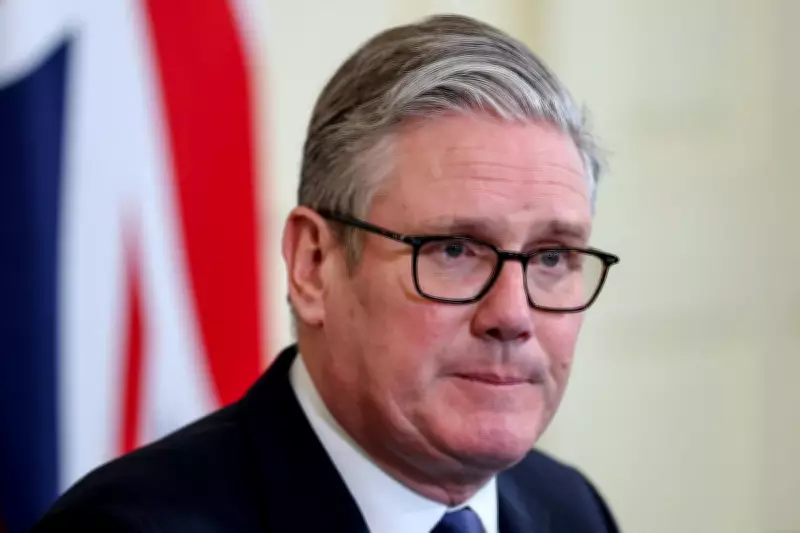
Despite recent diplomatic developments suggesting a potential easing of tensions between Washington and Tehran, the ongoing Middle East conflict continues to cast a long shadow over British households. Prime Minister Keir Starmer has cautioned against premature optimism, warning MPs that the nation must avoid falling into "false comfort" regarding any quick resolution to the crisis.
Economic Storm Brewing for UK Households
The International Energy Agency has issued alarming assessments suggesting this could become the worst energy crisis in modern history, potentially combining the severity of both the 1973 oil shock and the 2022 price surge. Government officials have begun contingency planning, with ministers meeting Bank of England Governor Andrew Bailey to develop response strategies. However, the financial constraints facing the Treasury present significant obstacles to implementing comprehensive support measures.
Britain's fiscal position has deteriorated substantially through successive crises over recent decades. The combined impacts of the 2008 financial sector bailouts, Brexit-related economic adjustments, COVID-19 pandemic expenditures, and previous energy crises have pushed public debt toward 100 percent of GDP. Servicing this debt has become increasingly expensive, with benchmark gilt yields exceeding 5 percent.

Limited Fiscal Room for Maneuver
The Office for Budget Responsibility has calculated that energy support policies during 2022 and 2023 cost approximately £51 billion, equivalent to 2 percent of GDP or nearly the entire defence budget. This scale of expenditure would be difficult to replicate given current fiscal constraints. If crude oil prices were to surge to $200 per barrel due to prolonged conflict, most Western governments would face severely limited policy options.
Nevertheless, the principle established during previous crises remains valid: those most vulnerable to economic shocks should receive the greatest assistance. The social costs to the National Health Service from cold-related illnesses in inadequately heated homes must factor into policy calculations.
Targeted Support Mechanisms Required
Previous support frameworks established under former Chancellor Rishi Sunak provide potential models for current policymakers. These included:
- A £400 non-repayable rebate for all households
- Additional payments for those receiving means-tested benefits
- Enhanced winter fuel payments for pensioner households
Current Chancellor Rachel Reeves appears more attuned to the particular challenges facing households relying on fuel oil or liquefied petroleum gas, especially in rural areas and Northern Ireland. Business support also requires consideration, given recent increases in taxes, employer National Insurance contributions, and minimum wage levels.
Short-Term Relief and Long-Term Challenges
In the immediate term, the government maintains that most households need not panic about energy bills, citing previously announced measures that will keep prices stable until at least June. However, looking toward next winter, many middle-income households face particular pressure—too prosperous to qualify for targeted subsidies yet insufficiently wealthy to absorb substantial bill increases without hardship.
The ultimate responsibility for this economic pressure, while felt acutely in British households, originates primarily from international geopolitical developments rather than domestic policy decisions. As the crisis continues to unfold, balancing fiscal responsibility with necessary support for vulnerable citizens represents one of the government's most pressing challenges.