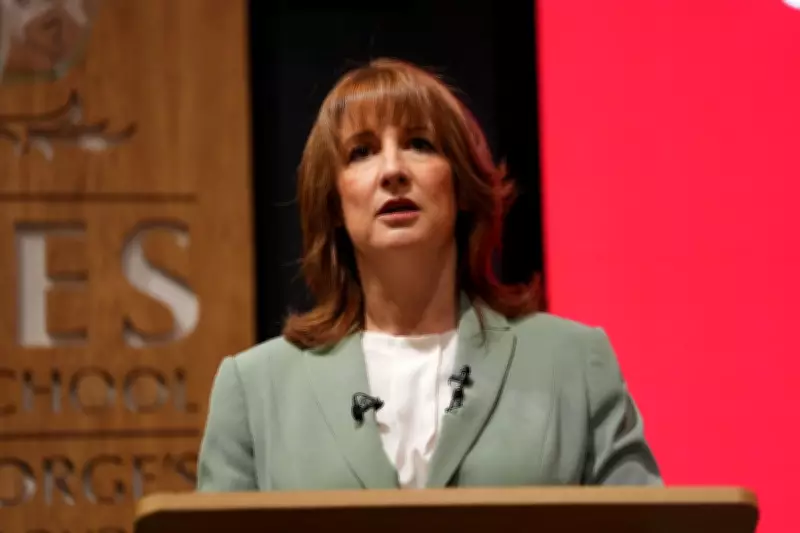
Chancellor Rachel Reeves Issues Stark Warning on Iran War Costs
Chancellor Rachel Reeves has delivered a sobering assessment, stating unequivocally that the ongoing war in Iran will impose significant financial burdens on British families and businesses. In a candid address, Ms Reeves acknowledged that while the full extent of these costs remains uncertain, the government is prepared to offer necessary support to those affected.
Immediate Focus on Ceasefire and Navigation
The immediate priority, according to the Chancellor, must be to ensure that the current ceasefire holds firm. She emphasized that maintaining this truce is the most effective safeguard against escalating domestic expenses. This statement comes as Britain prepares to host further multilateral discussions next week with a coalition of nations, aimed at reopening the critical Strait of Hormuz shipping lane.
These talks will build upon ongoing governmental efforts to restore freedom of navigation through the strait, a vital conduit for global oil and gas shipments. The initiative follows Prime Minister Keir Starmer's recent conversation with former US President Donald Trump, where they discussed the necessity of a practical strategy to resume maritime traffic in the region, particularly amid reports that Iran may seek to levy charges on vessels for passage.

International Diplomacy and Economic Ripples
Concurrently, US Vice President JD Vance is engaged in peace negotiations with Iran in Pakistan, although a marathon 21-hour session concluded early Sunday without a finalized agreement. This diplomatic stalemate underscores the complex geopolitical landscape influencing economic stability.
In a detailed column for The Times, Chancellor Reeves wrote, "I am going to be straight with people... the war in Iran will come at a cost to British families and businesses. These are not costs I wanted, but they are costs we will have to respond to." She reaffirmed her commitment to an economic approach that is both responsive to global shifts and responsible in protecting the national interest.
Energy Price Surges and Business Support
The closure of the Strait of Hormuz has already triggered a sharp increase in gas prices, impacting households and enterprises alike. Prior to the US and Israel's military actions against Iran, this strategic waterway facilitated approximately 20% of the world's oil transportation. Ms Reeves acknowledged that rising energy bills are acutely felt by the UK's manufacturing sector, which has long struggled with uncompetitive energy costs.
To address these challenges, the Chancellor announced plans to unveil the next phase of strategies to enhance Britain's competitiveness later this week. She will also outline guiding principles for business support in the coming months, ensuring that assistance is targeted effectively.
Global Collaboration and Domestic Measures
At the International Monetary Fund meetings in Washington this week, Ms Reeves will collaborate with international allies to develop actionable measures guaranteeing freedom of navigation, including in the Strait of Hormuz, to stabilize energy supplies. She stressed that while long-term solutions are being pursued, immediate steps are being taken to alleviate cost pressures on families and provide crucial support to the most vulnerable.
This comprehensive approach highlights the government's dual focus on mitigating the war's economic fallout through both domestic interventions and international cooperation, as the situation in Iran continues to evolve.