Rachel Reeves Delivers Spring Statement with Focus on Economic Stability
Chancellor Rachel Reeves is set to present a no-frills Spring Statement to Parliament today, aiming to project stability following the turbulent Budget in November. The update on the state of the economy comes amid escalating conflict in the Middle East, with Reeves expected to argue that her economic plan is delivering benefits for working people across the nation.
Political Context and Economic Vision
Reeves will address Parliament, asserting that the government has the correct economic strategy for the country in an increasingly uncertain global landscape. She plans to highlight stability in public finances, investment in infrastructure, and comprehensive economic reforms. The Chancellor will emphasise building growth that benefits every region of Britain, with an active state that steps up to support communities.
This low-key approach follows a period of speculation and confusion leading up to the previous Budget, where Reeves initially hinted at a significant income tax increase before abandoning the idea. The Budget itself was marred by the accidental early publication of key measures by the watchdog, adding to the chaos.

Addressing Political Pressures
The Spring Statement also serves as an opportunity for Reeves to rally her own MPs after a devastating by-election defeat in Gorton and Denton, where the Greens emerged victorious and Labour finished third. She will seek to convince colleagues to maintain confidence in the government's economic direction despite this setback.
Reeves is expected to state: "Because of the decisions we have already taken, we have a stronger and more secure economy. Inflation and interest rates are falling. And in every part of Britain, working people are better off."
Key Details of the Spring Statement
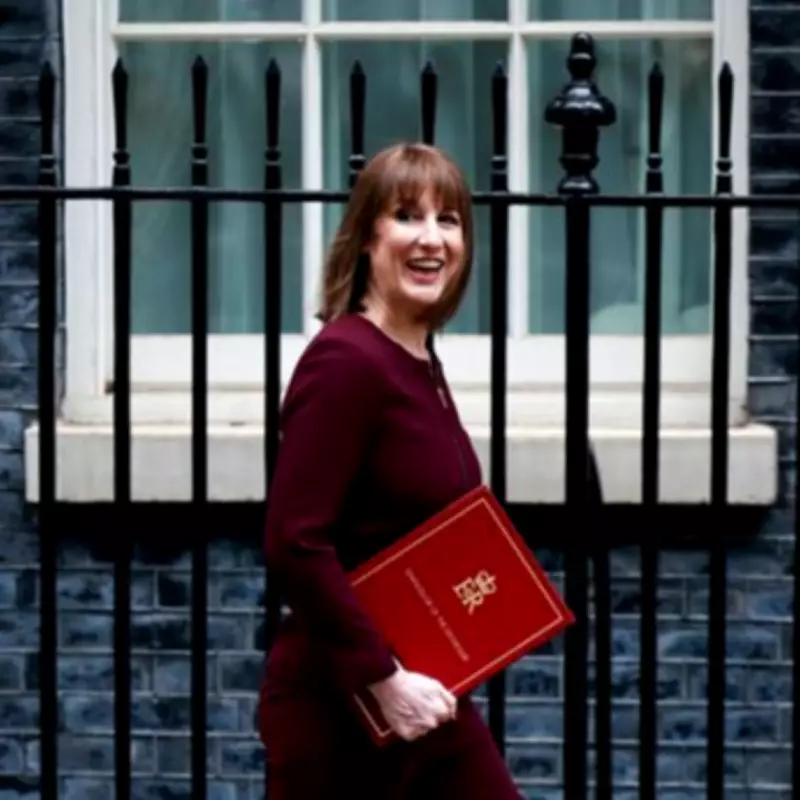
The statement will be delivered at approximately 12:30 PM on Tuesday, March 3, and may last as little as twenty minutes. Unlike the Budget, there will be no traditional red box moment outside Number 11 Downing Street, as this ceremony is reserved for fiscal events.
Reeves will provide an update on the Office for Budget Responsibility's economic and fiscal forecasts, offering a temperature check on the economy. These forecasts will include estimates on growth, inflation, unemployment, government spending, and tax revenue for the coming years. However, they will not account for potential impacts from the US-Israeli conflict with Iran on oil prices.
Policy Expectations and Fiscal Strategy
Spring statements typically contain minimal new policy announcements, and this year is no exception. The Treasury appears to have learned from last year's controversy, when Reeves attached highly contentious benefit cuts to the statement in an attempt to balance the books. Those plans, which aimed to slash £4.8 billion from health-related benefits by 2029, sparked a political storm and were later abandoned by Keir Starmer, leaving Reeves with a significant financial gap to address.
This year, no major policy changes are anticipated. The Chancellor has deliberately opted to hold only one fiscal event annually—the Budget—to provide greater stability for businesses and avoid constant policy fluctuations.
Tax Implications and Economic Indicators
Tax and spending decisions will not be part of this statement, as they are reserved for fiscal events. However, the updated forecasts will offer insight into the government's fiscal health. Reeves allocated £21.7 billion in headroom during the Budget to avoid needing additional tax increases. If this cushion has diminished, speculation may grow about potential tax hikes in the autumn. Conversely, if it has expanded significantly, MPs may pressure the Chancellor to allocate some of these funds to priority areas.
Areas of particular vulnerability include defence spending, where military leaders are urging the Treasury to accelerate budget increases, and student loans, which are becoming a prominent political issue due to concerns about high interest rates and changes to repayment terms affecting young people.

Conclusion: A Statement of Steadfastness
Rachel Reeves' Spring Statement is designed to reinforce a message of economic resilience and steady progress. By focusing on stability and broad-based growth, the Chancellor aims to navigate both global uncertainties and domestic political challenges while maintaining confidence in the government's economic management.