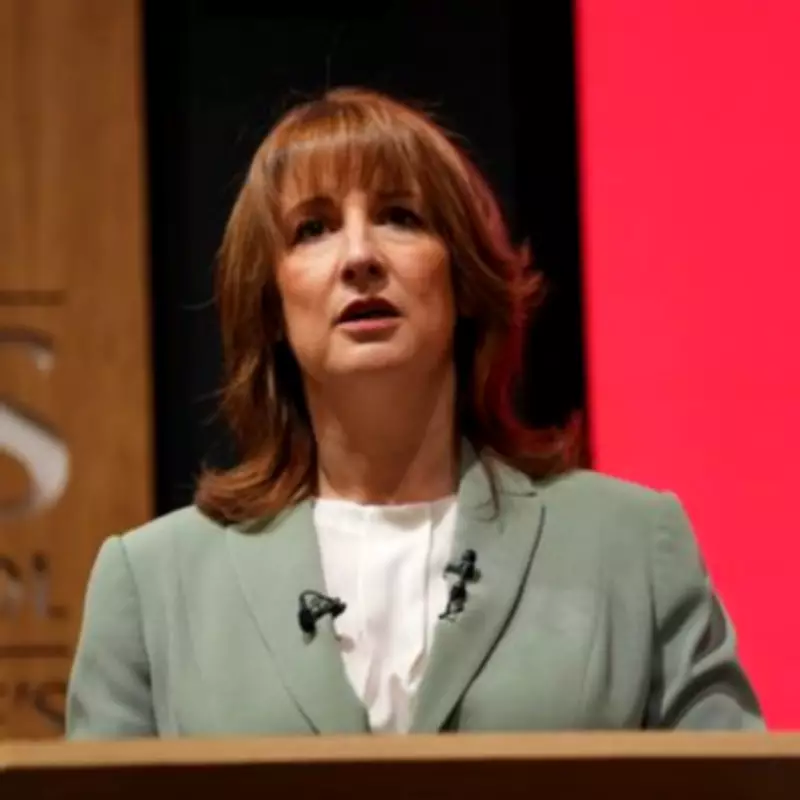
Chancellor Rachel Reeves to Unveil Anti-Profiteering Plans Amid Iran War Price Hikes
Chancellor Rachel Reeves is poised to outline comprehensive plans designed to safeguard the public from unfair price increases, as concerns mount over surging oil and fuel costs triggered by the ongoing conflict in Iran. The Chancellor will deliver a formal statement to Members of Parliament after presenting her strategy to the Prime Minister and colleagues during an emergency Cobra meeting scheduled for Monday afternoon.
Emergency Cobra Meeting and Anti-Profiteering Framework
In response to the escalating crisis in the Middle East, the emergency Cobra meeting will serve as a critical platform for discussing measures to mitigate economic impacts on consumers. Reeves' proposals are expected to include the introduction of an anti-profiteering framework, aimed at detecting and cracking down on companies that exploit the turmoil to engage in price gouging. This initiative will empower the Competition and Markets Authority (CMA) with enhanced capabilities to root out unfair practices, aligning with the Prime Minister's recent comments about boosting the regulator's powers to provide further teeth in combating profiteering.
Focus on Energy Prices and Public Protection
The Chancellor's announcement, slated for around 12:30 PM, will specifically address strategies to keep energy prices down and protect households from unjustified hikes. With the Iran war exacerbating global market volatility, the plans are intended to offer immediate relief and long-term stability for consumers facing rising bills. The government's approach underscores a commitment to proactive economic management during times of international crisis.

Broader Context and Government Response
This development follows earlier statements from a Government minister, who noted uncertainty in the Middle East situation after Iran trolled former US President Donald Trump's peace claims. The Chancellor's intervention highlights a coordinated effort to address both domestic economic pressures and external geopolitical challenges, ensuring that public interests remain at the forefront of policy decisions.