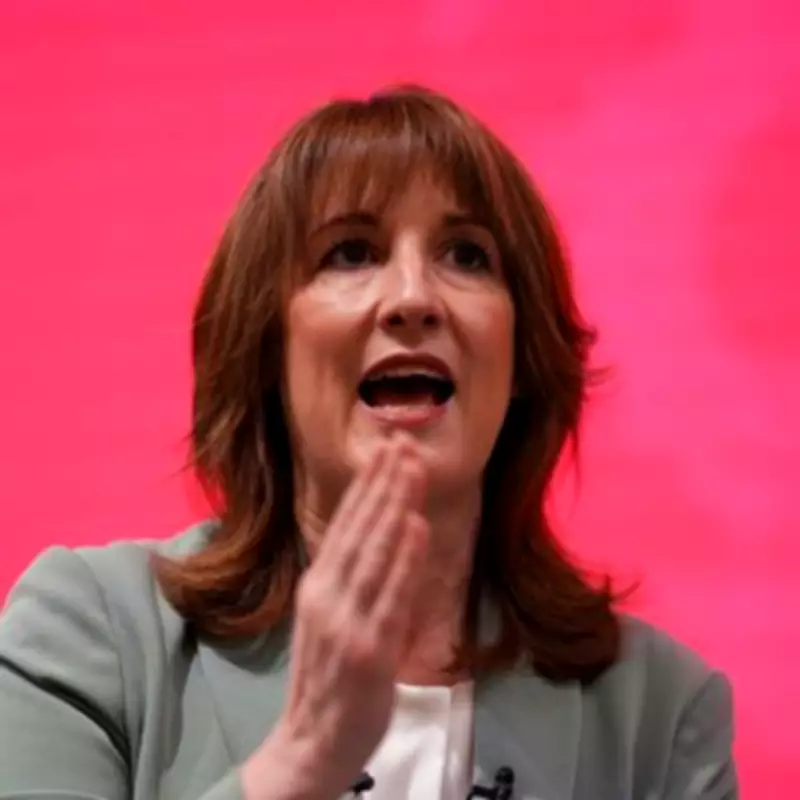
Chancellor Rachel Reeves Issues Stark Warning on Iran Conflict Costs
Chancellor Rachel Reeves has delivered a sobering assessment of the economic consequences facing Britain due to the ongoing war in Iran, while hinting at forthcoming support measures for households and businesses. In a candid statement, she acknowledged that the full financial impact remains uncertain but emphasized the government's commitment to shielding the most vulnerable.
Direct Impact on British Families and Businesses
Writing in The Times, Reeves stated unequivocally: "I am going to be straight with people though that the war in Iran will come at a cost to British families and business." She described these as unwanted but unavoidable costs that demand a responsible economic response. The Chancellor highlighted that rising prices are already being felt domestically, with energy bills affecting both households and manufacturers who have long struggled with uncompetitive energy prices.
Reeves identified the current two-week ceasefire between the US and Iran as "the best protection" against further household bill increases. However, she stressed that immediate action is necessary to support those already feeling the pinch, repeating her vow to "provide support for those who need it most."

Strategic Focus on Strait of Hormuz and International Cooperation
The Chancellor revealed that during International Monetary Fund meetings in Washington this week, she will collaborate with allies on measures to "guarantee freedom of navigation, including the Strait of Hormuz, to keep energy supplies moving again." This vital shipping route transports approximately one-fifth of the world's oil and has been blockaded by Tehran, causing sharp increases in gas prices.
Britain is taking a leadership role in European efforts to reopen the strait, with further multinational talks scheduled for next week. These discussions continue government efforts to restore navigation freedom in this crucial maritime corridor.
Forthcoming Business Support and Competitiveness Plans
Addressing business concerns directly, Reeves announced she will outline "the next phase of our plans to boost Britain's competitiveness" later this week. Additionally, she will establish guiding principles for business support in the coming months, recognizing that rising energy costs impact commercial enterprises alongside households.
The Chancellor framed her approach as "both responsive to a changing world and responsible in the national interest," suggesting a balanced strategy between immediate crisis management and long-term economic strengthening.
Diplomatic Context and Political Reactions
Reeves' warnings come amid fragile diplomatic efforts. A US-Iran ceasefire agreement has shown cracks since being established earlier in the week, while US Vice President JD Vance's 21-hour peace talks in Pakistan concluded without a deal. Health Secretary Wes Streeting expressed disappointment at the lack of breakthrough in Islamabad negotiations, telling Sky News: "It's obviously disappointing that we haven't yet seen a breakthrough in negotiations and an end to this war in Iran."
Streeting emphasized the global impact of the conflict, noting that countries uninvolved in the war nevertheless suffer consequences. He also commented on former US President Donald Trump's social media statements, describing them as "incendiary, provocative, outrageous" while suggesting actions matter more than words in diplomatic resolution.
The Health Secretary stressed that lasting peace requires agreement that "puts nuclear weapons beyond Iran's ambitions and reach," highlighting broader security concerns intertwined with the economic fallout.
Prime Minister Keir Starmer recently expressed frustration with international leaders whose actions contribute to UK household bill increases, having communicated to the US President the need for a practical plan to restore shipping through the Strait of Hormuz. This reflects growing concern about the conflict's ripple effects on global energy markets and domestic economies.