Navigating the Patchwork of State Tax Rules on Trump's Federal Deductions
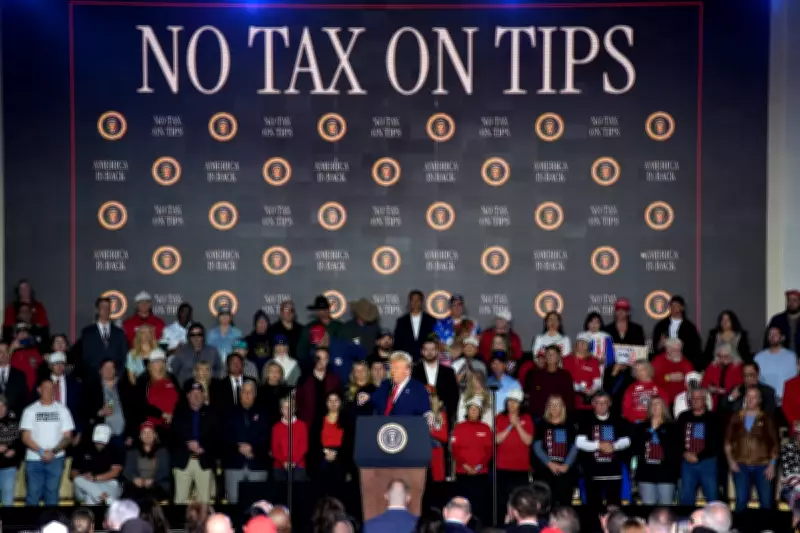
As the tax-filing deadline approaches, millions of American workers are poised to benefit from new federal income tax breaks for tips and overtime wages, introduced under a comprehensive tax law signed by President Donald Trump. However, a significant number of taxpayers will discover that these deductions do not extend to their state income tax returns, highlighting a critical divergence between federal and state tax policies.
Federal vs. State Tax Conformity: A Key Distinction
The availability of these tax breaks at the state level hinges on whether individual states choose to conform to federal tax changes. In states that do not align with the federal adjustments, workers who claim deductions for tips or overtime on their federal forms will still be liable for state taxes on those earnings. This discrepancy underscores the autonomy of state governments in setting their own tax rules, leading to a fragmented landscape across the country.
State-by-State Variations in Tax Treatment
Currently, only a handful of states have opted to mirror Trump's law by offering tax breaks on tips and overtime wages, or for loan interest on new vehicles assembled in the United States. States such as Idaho, Iowa, Montana, North Dakota, and Oregon provide all three of these deductions to their residents. Colorado offers deductions for tips and auto loans but excludes overtime, while Alabama only allows the auto loan deduction.

In contrast, many states have not updated their laws to incorporate these federal changes, meaning taxpayers in those jurisdictions must navigate a more complex filing process. The tax-filing deadline, which falls on a Wednesday for both the federal government and most states, adds urgency to understanding these nuances.
Notable Exceptions and Legislative Hurdles
Arizona presents a particularly unusual case. State income tax forms include deductions for tips, overtime, auto loans, and older residents based on an executive order from Democratic Governor Katie Hobbs. However, the Republican-led Legislature has not passed legislation to codify these breaks into state law, creating a situation where taxpayers are instructed to claim deductions they may not be legally entitled to. Experts, such as Adam Chodorow, a tax law professor at Arizona State University, warn that this could lead to widespread confusion and potential legal issues.
In other states, efforts to adopt the deductions have been thwarted. South Carolina extended its tax-filing deadline to allow time for legislative action, but a bill to opt into the federal deductions passed the House only to be defeated in the Senate. Similarly, in Wisconsin, Republican-led legislation to allow tips and overtime deductions was vetoed by Democratic Governor Tony Evers.
Future Implications and Ongoing Adjustments
Looking ahead, some states have enacted laws that will make these tax breaks available starting with the 2026 tax year, including Georgia, Indiana, and Michigan. However, this means they are not accessible for taxpayers filing their 2025 returns. Conversely, Oregon is considering legislation that would eliminate the auto loan deduction and certain corporate tax breaks for 2026, illustrating the dynamic nature of state tax policies.
As states continue to evaluate their positions on these deductions for the 2026 tax year, taxpayers are advised to stay informed about local regulations to ensure accurate filing and maximize their potential benefits.