Business Leaders Accuse John Swinney of Costing Jobs Over 'Unaffordable' Rate Hikes
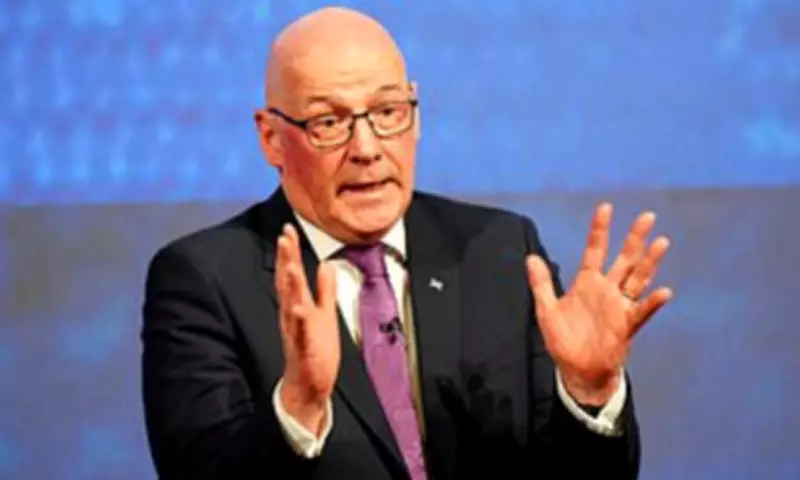
Scottish First Minister John Swinney has been accused by business leaders of jeopardising employment by refusing to intervene in what they describe as eye-watering increases in business rates. The controversy erupted during a CBI hustings event in Edinburgh, where Swinney came under fire for what attendees labelled unaffordable hikes following a recent revaluation that took effect earlier this week.
Hospitality Sector Warns of Devastation
At the event, held at the RBS Gogarburn headquarters, Stephen Montgomery, a spokesman for the Scottish Hospitality Group, shared his personal experience of having to sell his Annan restaurant, Our Place, which closed its doors on Wednesday. He highlighted stark disparities, noting that non-domestic rates hikes in Scotland are unmatched across the UK. Montgomery pointed out that Northern Ireland halted its revaluations due to fears of devastation in hospitality and tourism, contrasting this with a Scottish member facing a rateable value surge from £111,000 to £675,000.
Montgomery argued passionately, stating, If you don't have surviving businesses, you will have no tax take whatsoever. He called for an immediate halt to the revaluations, suggesting a pause to study impacts over the coming months before the next Budget. The rates system is broken, so it needs to be halted before you lose everything it costs this economy, he warned, questioning whether the Scottish Government would accept blame for rising unemployment and shuttered high streets.

Political Backlash and Swinney's Defence
The criticism was echoed by other party leaders present. Scottish Conservative leader Russell Findlay described the business rates system as completely broken, urging a pause to provide respite for struggling firms. Scottish Liberal Democrat leader Alex Cole-Hamilton labelled the revaluations criminal, while Scottish Labour leader Anas Sarwar called for abolishing the broken system and condemned the rateable value assessments as atrocious.
In response, Swinney acknowledged challenges but defended the government's stance, citing over £900 million allocated to support businesses in managing the transition. He rejected calls for extra relief, arguing it would harm public services. Nobody talks about the impact that would then have on the other demands of public services and the public finances, Swinney stated, emphasising the need for a balanced discussion on revenue allocation.
Broader Economic Concerns Raised
The hustings also touched on wider economic issues. Russell Findlay claimed that sky-high income tax is deterring people from working in Scotland, though Swinney countered with data showing net positive migration of taxpayers. Reform UK's Lord Malcolm Offord criticised government spending on overseas offices, advocating instead for direct business incentives.
Michelle Ferguson, CBI Scotland director, underscored the event's significance, stating, With costs continuing to soar for businesses and consumers across Scotland, this election will be defined by the economy. She called for a realistic and ambitious plan to revive Scotland's stalled economy, positioning business as the engine of growth.
The leaders of all six Holyrood parties participated, highlighting the cross-party concern over the economic impact of the rate hikes and the urgent need for policy adjustments to prevent further job losses and business closures.