Bank of England Issues Stark Warning on Interest Rates Amid Middle East Conflict
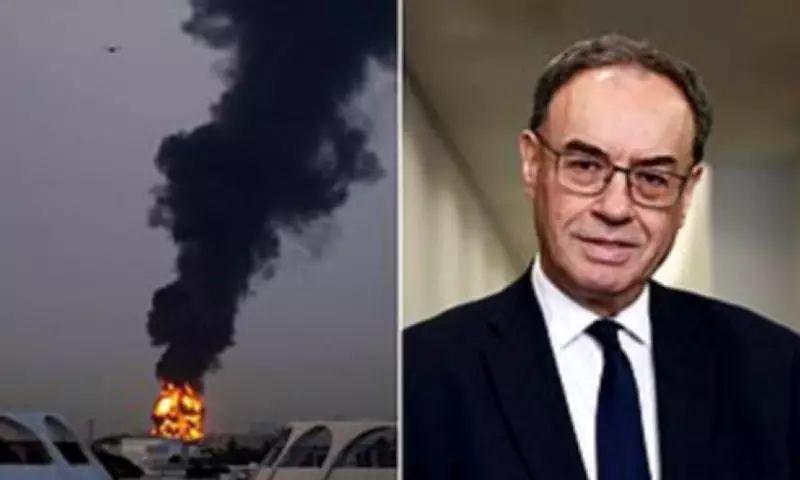
The Bank of England has delivered a sobering assessment that British families could face three consecutive interest rate increases this year as the economic fallout from the Iran conflict intensifies. Governor Andrew Bailey cautioned yesterday that the escalating war in the Middle East threatens to send inflation spiralling while potentially triggering a significant surge in unemployment across the United Kingdom.
Mortgage Holders Face Substantial Financial Pressure
This development would spell considerable misery for millions of borrowers throughout the nation. Three separate base-rate increases of a quarter percentage point each would add approximately £100 per month to repayment costs on a typical £250,000 mortgage. The warning comes as Iran issued its own stark threat yesterday, vowing to cause what it described as the complete destruction of the Middle East's critical oil and gas infrastructure upon which the global economy heavily depends.
Energy markets have already responded dramatically to the escalating hostilities. Oil prices spiked by eleven percent to reach $119 per barrel, while natural gas prices jumped by more than thirty percent as the conflict intensified. Governor Bailey emphasized that this sudden surge in energy costs could affect broader inflation measures, including essential food prices that impact household budgets nationwide.

Travel Industry Braces for Summer Disruption
Aviation industry leaders have simultaneously warned that travellers face a summer season characterised by significant price rises and widespread cancellations as a global shortage of jet fuel begins to bite. Following the decision to freeze interest rates at 3.75 percent, Mr Bailey stated clearly: War in the Middle East has pushed up global energy prices. You can already see that at the petrol pump and, if it lasts, it will feed into higher household bills.
The financial landscape has shifted dramatically in recent days. Many of the cheapest mortgage deals available to consumers have been withdrawn from the market, while most energy deals offering rates below the official price cap had similarly been pulled by last night. This represents a stark reversal from previous analyst predictions, which had anticipated two further interest rate cuts this year as inflation was expected to ease gradually.
Energy Infrastructure Attacks Escalate Crisis
The latest warnings follow Iran's targeted attacks on key energy facilities throughout the Persian Gulf region, including the world's largest liquid natural gas complex located in Qatar. These strikes have knocked out approximately one-sixth of the country's LNG exports for an estimated period of three to five years. The attacks were reportedly conducted in retaliation for an Israeli strike on Iran's substantial South Pars gas field, with Iranian officials warning that any repeat offensive would result in the complete destruction of enemy infrastructure.
Global financial markets have reacted with pronounced volatility. The FTSE 100 index fell more than two percent as fears of a prolonged Middle Eastern conflict fuelled prospects of a severe cost-of-living squeeze and potential economic downturn. Meanwhile, government borrowing costs soared to their highest level in over a year as investors rapidly dumped UK bonds.
Political and Strategic Implications
Prime Minister Sir Keir Starmer chaired an emergency meeting of the Government's Cobra committee yesterday to discuss the economic impact of the conflict on living costs. Downing Street has urged all parties involved to pursue de-escalation while British military planners develop strategies to protect commercial tankers that have been unable to navigate through the strategically vital Strait of Hormuz following Iranian attacks.
Defence sources acknowledge privately that reopening this crucial shipping route—which typically carries one-fifth of the world's total oil supply—will prove nearly impossible until hostilities subside significantly. The crisis presents a substantial political challenge for Sir Keir, who placed living costs at the very heart of Labour's agenda earlier this year and asked to be judged specifically on his success in reducing them.

Consumer Impact and Government Response
Soaring energy costs now threaten to undermine any economic progress while creating significant pressure on public finances. Ministers have admitted they may need to fund a major bailout package to assist households with energy bills should the crisis extend beyond the current price cap period ending in June. The Prime Minister's spokesman stated: We have been clear that the Government will fight people's corner to tackle the cost-of-living crisis.
Downing Street has insisted that UK petrol stations remain well stocked while urging drivers to fill up as normal, though ministers have simultaneously warned fuel retailers against engaging in price-gouging practices. The government is also engaging with airlines regarding jet fuel supply security and limiting excessive ticket price increases, while warning the travel insurance industry to prepare for a potential surge in claims.
Economic Indicators Show Concerning Trends
Latest figures from the RAC motoring organisation reveal that petrol prices have already climbed by 10.5 pence to exceed 143 pence per litre since the conflict began, with diesel prices increasing by 21.4 pence to nearly 164 pence per litre. Governor Bailey confirmed he is monitoring developments extremely closely and remains ready to act as necessary to control inflation, potentially opening the door to rate increases as early as next month.
The Bank of England has explicitly warned that the energy price shock has derailed previous expectations that inflation would fall to its two percent target this spring. Instead, the central bank now believes inflation will climb to 3.5 percent this month. This development occurs alongside already subdued economic activity, with growth essentially flatlining in January and unemployment remaining stubbornly high at 5.2 percent.
The Bank's regular survey of business conditions suggests that companies were pessimistic even before the conflict erupted, noting: The overall picture is still lacklustre. There is little evidence of consumer spending rallying. As governments and central banks worldwide attempt to contain the economic fallout, the situation continues to evolve with significant implications for UK households and the broader economy.