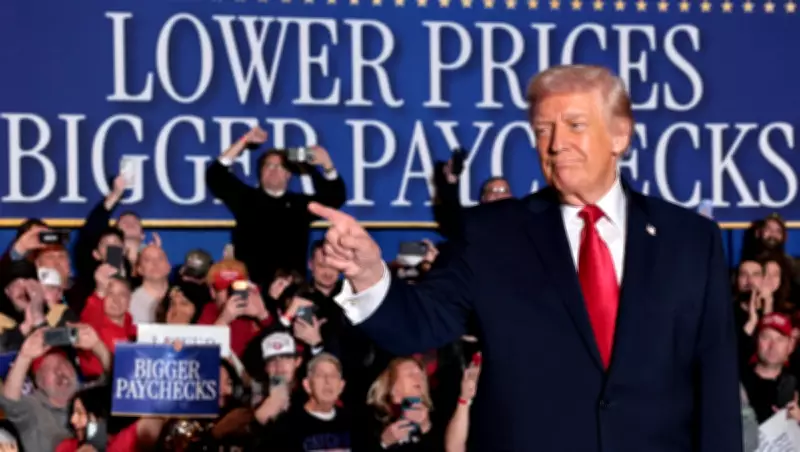
Trump's Economic Policies: A Deep Dive into Affordability and Price Trends
In recent years, the economic landscape has been significantly influenced by the policies of former President Donald Trump, with a particular focus on affordability and price dynamics. This article explores the multifaceted impacts of these policies, drawing on current data and expert analysis to provide a comprehensive overview.
Affordability Challenges in the Current Economy
Affordability has become a pressing concern for many households, as prices across various sectors continue to rise. Under Trump's administration, key economic measures were implemented, including tax reforms and deregulation, which have had lasting effects. For instance, the Tax Cuts and Jobs Act of 2017 aimed to stimulate growth but also contributed to inflationary pressures in some areas. Consumers are now grappling with higher costs for essentials such as housing, healthcare, and groceries, raising questions about the long-term sustainability of these trends.
Market reactions to Trump's policies have been mixed. While some industries, like manufacturing and energy, saw short-term boosts due to reduced regulations, others faced increased volatility. The stock market experienced significant gains during his tenure, but this has not always translated into improved affordability for the average citizen. Experts note that wage growth has lagged behind inflation in certain periods, exacerbating financial strain for low- and middle-income families.

Price Trends and Consumer Impact
Price trends under Trump's economic framework reveal a complex picture. On one hand, tariffs on imported goods were introduced to protect domestic industries, leading to higher prices for consumers on items like electronics and clothing. On the other hand, efforts to boost domestic production aimed to lower costs over time, though results have been inconsistent. The energy sector, for example, saw reduced prices due to increased oil and gas production, but this was offset by environmental concerns and market fluctuations.
Consumer behavior has adapted to these changes, with many shifting towards budget-friendly alternatives or delaying major purchases. The housing market, in particular, has seen affordability decline in many regions, driven by rising property prices and interest rates. This has implications for homeownership rates and rental markets, affecting millions of Americans. Additionally, healthcare costs have remained a significant burden, despite attempts to reform the system, highlighting ongoing challenges in making essential services accessible.
Future Outlook and Policy Implications
Looking ahead, the legacy of Trump's economic policies continues to shape discussions on affordability and prices. Policymakers are now tasked with addressing the imbalances created, such as through potential adjustments to tax structures or new regulatory measures. The global economic context, including trade relations and geopolitical tensions, adds another layer of complexity to these issues.
In conclusion, Trump's impact on the economy is marked by both achievements and controversies, particularly regarding affordability and price trends. As the nation moves forward, a balanced approach that considers consumer welfare and market stability will be crucial. This analysis underscores the need for ongoing scrutiny and adaptive strategies to ensure economic resilience for all citizens.