Trump's Fed Chair Selection Unlikely to Deliver Rate Cuts
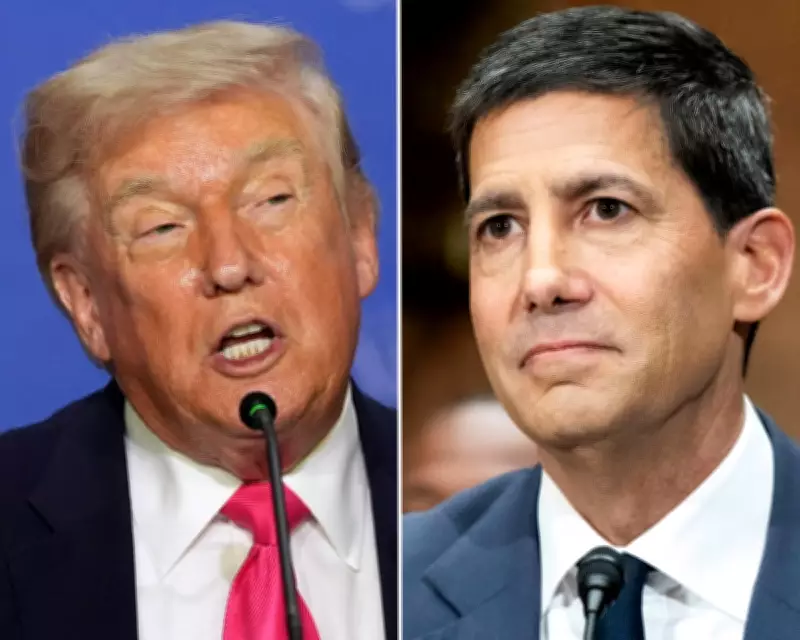
Donald Trump's aspiration to influence monetary policy through the Federal Reserve faces significant hurdles, even with his preferred candidate, Kevin Warsh, poised to potentially succeed Jerome Powell as chair next month. Despite Trump's endorsement of Warsh as a "central casting" choice, the president's control over the Fed remains elusive.
Warsh's Partisan Stance and Historical Hawkishness
Kevin Warsh's monetary views appear overtly partisan, aligning closely with Trump's agenda. During his previous tenure as a Fed governor, Warsh displayed hawkish tendencies, emphasizing inflation concerns amid economic recovery under Barack Obama. Now, he advocates for lower interest rates despite ongoing high inflation, crafting a high-tech framework to justify reduced borrowing costs.
However, convincing the majority of the 11 other Federal Open Market Committee members presents a formidable challenge. Most are not aligned with Trump, making it difficult for Warsh to secure votes for rate cuts.

Greenspan Parallels and AI Productivity Claims
Warsh's argument mirrors that of former Fed Chair Alan Greenspan, who in the late 1990s cited the information technology boom as a reason to avoid raising rates despite low unemployment. Greenspan believed productivity gains from computers provided economic flexibility.
Today, Warsh contends that the AI revolution will similarly boost productivity, allowing the Fed to lower rates without fueling inflation. He emphasized this on Fox last year, urging the Fed to let technology drive price reductions rather than stifling economic strength.
Yet, Warsh's assertions are weak. Unlike the 1990s, when globalization and immigration helped control prices and labor markets, Trump's policies—such as tariffs and aggressive deportations—are increasing costs and shrinking labor supply. Additionally, a budget deficit of 6% of GDP has doubled federal debt compared to the Clinton era, contributing to recent inflation spikes above 3%.
AI's Economic Impact and Investment Surge
The anticipated productivity boom from AI lacks empirical support. While fears persist about AI displacing workers, data show limited rapid diffusion across businesses. Instead, massive investments in data centers for AI development are driving up demand for resources like electricity and memory chips, fueling stock market gains and consumer spending.
If productivity does increase, it might not lead to lower rates; faster growth could even necessitate higher rates to manage capital demand.
Trump's Limited Influence on Fed Board
Trump has some allies on the Fed board, including Stephen Miran, who co-authored a proposal to enhance presidential accountability by allowing at-will removal of board members. With two other Trump appointees, Warsh's confirmation would bring three allies to the board.
Nevertheless, achieving a majority of seven votes seems improbable. Courts are unlikely to permit Trump to dismiss governor Lisa Cook without cause, and missed opportunities, such as the reappointment of regional Fed bank presidents last December, hinder his efforts to sway the committee.
Trump's vision of a compliant Fed that cuts rates on command remains distant, offering reassurance for the stability of the American economy.