Trump's Proposed Federal Worker Cuts Spark Fears of Economic Disruption
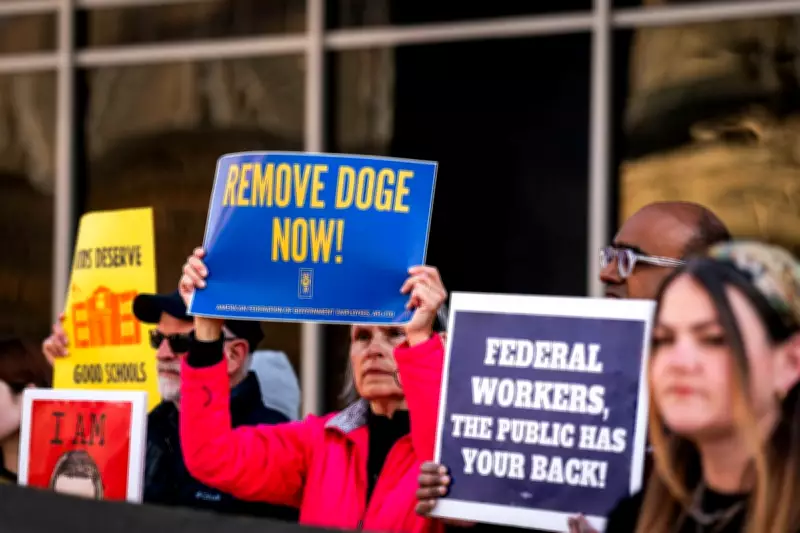
Former President Donald Trump has unveiled plans to significantly reduce the number of federal government workers if he returns to office, a move that is already generating widespread concern among economists and public sector unions. The proposed cuts, which could affect hundreds of thousands of employees across various agencies, are being framed by Trump as a necessary step to streamline bureaucracy and reduce government spending. However, critics argue that such drastic reductions would likely lead to severe disruptions in essential services, from social security processing to environmental regulation enforcement.
Potential Impact on Government Services
Experts warn that the proposed job cuts could have far-reaching consequences for the efficiency and reliability of federal operations. Key areas such as healthcare administration, tax collection, and national security might experience significant delays and backlogs, potentially harming citizens who depend on timely government assistance. For instance, the Internal Revenue Service (IRS) could see its ability to process returns and audits diminished, leading to longer wait times for refunds and increased frustration among taxpayers.
Moreover, the cuts could exacerbate existing staffing shortages in critical departments, such as the Department of Veterans Affairs, where delays in benefits processing are already a common complaint. Public sector unions have expressed alarm, noting that many federal workers are essential for maintaining infrastructure, conducting scientific research, and ensuring public safety. They argue that reducing their numbers without a clear plan for restructuring could compromise the government's ability to respond to emergencies and uphold regulatory standards.

Economic and Political Ramifications
Beyond the immediate impact on services, Trump's proposal raises broader economic questions. Federal workers contribute significantly to local economies, particularly in regions with high concentrations of government employment, such as Washington D.C. and surrounding areas. A large-scale reduction in jobs could lead to decreased consumer spending, affecting businesses that rely on federal employees as customers. This, in turn, might trigger a ripple effect, potentially slowing economic growth and increasing unemployment in related sectors.
Politically, the plan is likely to become a contentious issue in upcoming elections, with opponents framing it as an attack on public servants and a threat to government stability. Supporters, however, may view it as a bold move to curb what they see as excessive government overreach and waste. The debate is expected to intensify as more details emerge, with both sides mobilizing to sway public opinion through campaigns and lobbying efforts.
In summary, while Trump's proposed federal worker cuts aim to address perceived inefficiencies, they carry significant risks of disrupting vital services and destabilizing the economy. As discussions continue, stakeholders from all sides are urging careful consideration of the potential consequences before any implementation.