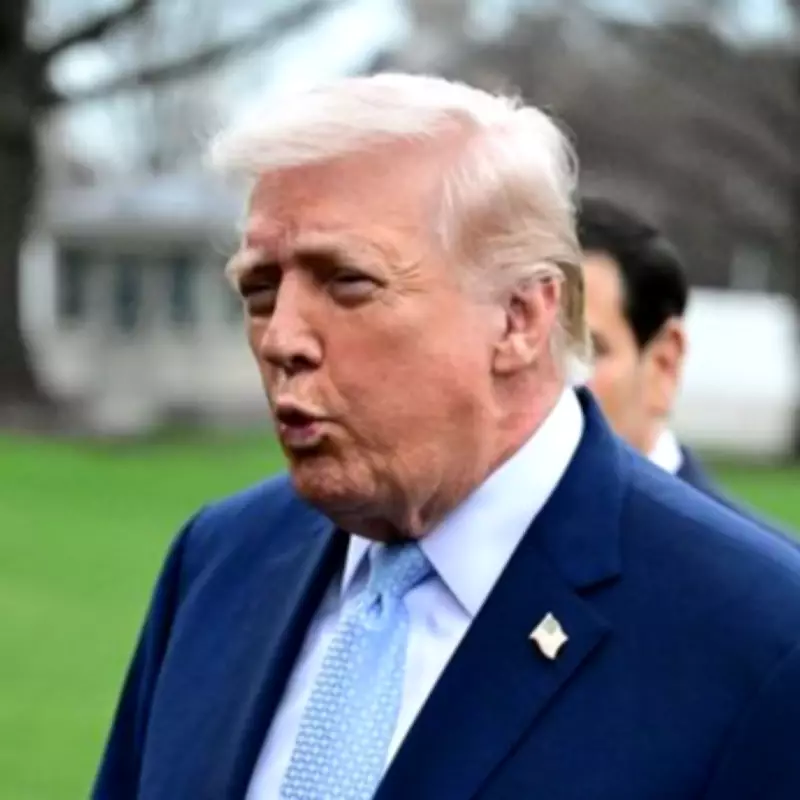
Britain finds itself confronting the grim prospect of another severe economic crisis, a situation directly attributed to the reckless and unlawful war initiated by Donald Trump against Iran. This alarming assessment comes from Paul Nowak, the General Secretary of the Trades Union Congress, who has issued a stark warning in a recent opinion piece.
Immediate Action Required to De-escalate and Prepare
Nowak emphasises the critical urgency of de-escalating the conflict in Iran. However, he stresses that as the situation persists, it becomes increasingly vital for the United Kingdom to prepare swiftly and take decisive action. The lessons from past crises must be learned and applied without delay to mitigate the impending economic damage.
Learning from the Covid-19 Pandemic Response
Reflecting on the Covid-19 pandemic that struck in March 2020, Nowak highlights the effective response orchestrated by the government in collaboration with unions and employers. This social partnership, which was absolutely essential rather than merely desirable, led to the implementation of the furlough scheme. This initiative successfully protected millions of jobs, kept businesses operational, and helped families navigate through the tumultuous period.

The Economic Crisis Is Already Present
The TUC leader asserts that this new economic crisis is not a distant threat on the horizon; it is already manifesting across various sectors. In Europe, gas prices have more than doubled, while oil prices have experienced significant surges. Supply chains are under substantial strain, with urgent warnings that immediate action is necessary to ensure the continuous flow of essential goods.
Furthermore, key British industries, particularly energy-intensive sectors such as steel, chemicals, and heavy manufacturing, are facing mounting pressure daily. The cumulative impact of these factors is creating a precarious economic environment that demands an immediate and coordinated response.
Call for an Emergency Taskforce
In response to this escalating situation, the Trades Union Congress is advocating for the establishment of an emergency taskforce. This body would reunite unions, employers, and government ministers around the table to formulate a strategic plan. The proven approach of acting early, working collaboratively, and prioritising the welfare of working people must be adopted once again.
Inescapable Economic Consequences
Nowak makes it clear that even if the conflict with Iran were to end abruptly tomorrow, certain economic costs are already inevitable and embedded in the system. These include higher inflation rates, rising mortgage costs, and increased pressure on both family budgets and business balance sheets. The detrimental effects have already commenced, and proactive measures are essential to contain the fallout.
Government Must Utilise All Available Measures
The government is urged to employ every possible lever to support jobs and maintain living standards. This comprehensive strategy should involve:
- Strengthening public services to ensure resilience.
- Providing assistance to households and businesses grappling with escalating energy costs.
- Advancing the government's Defence Investment Plan and industrial strategy to bolster economic stability.
Protecting Jobs as the Paramount Priority
Across all these initiatives, the foremost priority must be the protection and security of as many high-quality, unionised jobs as possible. Any support provided must come with stringent conditions attached. If taxpayer funds are utilised, they should be exclusively directed towards safeguarding jobs rather than enhancing corporate profits.
Additionally, financial aid should focus on keeping factories and industrial sites operational, preventing closures that could devastate local communities and lead to economic hollowing out.
A History of Resilience and a Warning Against Hesitation
The United Kingdom has faced severe tests in the past and has demonstrated that through collective effort, the worst impacts on people can be mitigated. However, hesitation or inaction in the current crisis would result in working people bearing the brunt of the consequences.

Nowak concludes with a powerful and unequivocal statement: working families must not be compelled to pay for what he terms 'Trumpflation' with their jobs, their wages, their essential services, or their future prospects. This is a non-negotiable principle that must be upheld both now and in the future to ensure economic justice and stability.