

UK inflation has fallen sharply to 2.8% in April, down from 3.3% in March, marking the lowest level in over a year. However, economists caution that this decline is only temporary, as the ongoing conflict in the Middle East is expected to drive prices higher again.
What Is Inflation?
Inflation describes the rising cost of goods and services. The current rate of 2.8% means that an item costing £100 a year ago would now cost £102.80. While prices are still increasing, they are doing so at a slower pace than in March.
Why Did Inflation Fall?
The sharp drop in April was largely due to a reduction in energy costs, which offset soaring fuel prices caused by the Iran war. Ofgem lowered its energy price cap by 7% (around £10 per month) for an average dual-fuel household, supported by Government measures such as moving 75% of the renewables obligation cost from household bills to general taxation and scrapping the energy company obligation scheme.

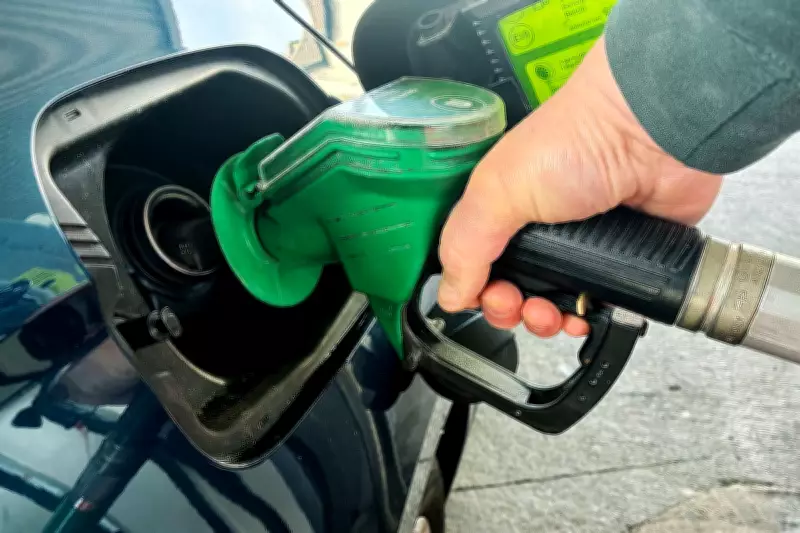
Despite this, fuel prices surged. Petrol rose by 16.6p to 156.8p per litre in April, the highest since November 2022, while diesel jumped 31.3p to 190p per litre, the highest since the Ukraine war in 2022.
Will Lower Inflation Last?
Experts warn that inflation will rise again as the Iran war and the blockade of the Strait of Hormuz push up wholesale oil and gas prices. Analysts at Cornwall Insight predict the energy price cap could increase by 13% (around £209) to £1,850 per year from July 1 for a typical household. Higher fuel and energy costs are also expected to feed through to food and other goods as businesses pass on costs to consumers.
How High Could Inflation Go?
The Bank of England forecasts inflation could reach 6.2% in a worst-case scenario if the Iran war persists, or peak at 3.6% by the end of this year in a more benign outlook. ING economists predict inflation will hit just under 4% later in 2026.
What Does This Mean for Interest Rates?
The Bank of England has signalled it may need to raise interest rates above the current 3.75% to control inflation. However, weaker-than-expected April CPI data, combined with slowing wage growth and a cooling jobs market, could prompt the Bank to hold off. The International Monetary Fund suggested that UK rates could remain unchanged throughout 2026 and still bring inflation back to the 2% target by the end of 2027.
What Is the Government Doing to Help?
Chancellor Rachel Reeves is expected to announce a cost-of-living support package on Thursday, which reportedly includes scrapping a planned fuel duty increase in September and introducing targeted energy cost measures.






