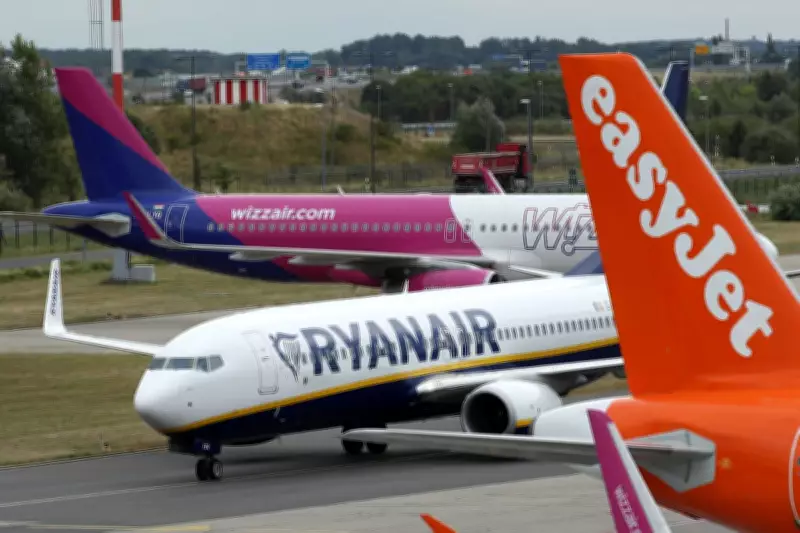
The United Kingdom is the European nation most vulnerable to jet fuel shortages stemming from the ongoing conflict with Iran, according to a stark warning from Goldman Sachs. The investment bank's analysis has raised concerns over potential rationing measures that could lead to further flight cancellations and disrupted summer holidays for British travellers.
Dependence on Imports and Refining Challenges
Goldman Sachs analysts highlighted that the UK is the largest net importer of jet fuel in Europe and holds no strategic reserves, leaving commercial inventories as the primary buffer against supply disruptions. The country relies heavily on imports that transit through the closed Strait of Hormuz, a critical chokepoint now blocked due to the Iran war. Additionally, the UK's refining capacity is described as having "critically low levels" of supplies and inadequate refining tools.
Last week, the British government urged the four remaining jet fuel refineries in the country—Fawley in Hampshire (owned by ExxonMobil), Humber in Lincolnshire (Phillips 66), Valero's Pembroke refinery in Wales, and Essar's Stanlow site in Cheshire—to maximize production to mitigate the crisis.

Airlines Seek Regulatory Relief
Airlines have requested the government to relax environmental and noise regulations to help them cope with escalating costs during the Iran war. British Airways has already announced it will raise ticket prices to offset higher fuel expenses. The price of jet fuel has doubled since the conflict began in late February, with oil prices hovering around $113 per barrel after a recent spike.
Rationing Fears and Government Response
The Goldman Sachs note warned: "As a result, inventories in some countries, especially the UK, could fall to critically low levels, increasing the likelihood of rationing measures." Prime Minister Sir Keir Starmer has hinted at the possibility of "staycations," suggesting that Britons may need to "change where they go on holiday" this year.
Trade body Airlines UK, representing major carriers, remains optimistic, stating: "Airlines continue to operate normally and are not experiencing issues with jet fuel supply." However, European carriers are feeling the pinch. Air France expects a $2.4 billion (£1.7 billion) increase in its jet fuel bill this year, while American Airlines anticipates a rise of over $4 billion.
European Commission to Issue Advice
The European Commission plans to release guidance for airlines on jet fuel later this week. Spokeswoman Anna-Kaisa Itkonen commented: "I don't think anyone knows how long this situation will last, so the best we can do and the most effective thing that we can do and that we are doing is to prepare for all eventualities."
Despite the warnings, some airlines remain confident. Wizz Air insisted over the weekend that its operations are "stable and unaffected," adding: "Wizz Air does not anticipate any disruption related to fuel supply and is working closely with its partners to ensure seamless operations."