UK Government Activates 'Worst-Case Scenario' Planning for Potential Food Shortages
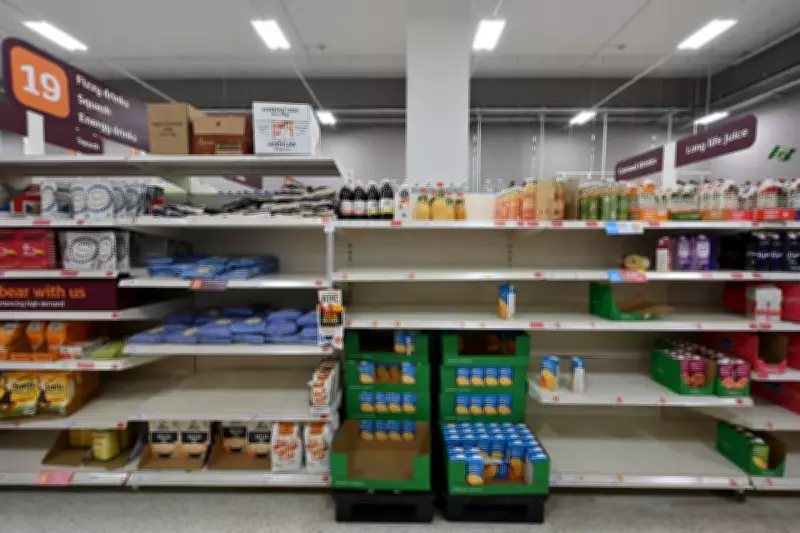
The UK government is engaged in extensive contingency planning for potential food shortages this summer, triggered by the ongoing conflict involving Iran. A leaked confidential document has exposed detailed preparations for what officials term a "reasonable worst-case scenario," should the vital Strait of Hormuz shipping route remain closed due to naval blockades and military tensions.
Secret Exercise Reveals Critical Supply Chain Vulnerabilities
The secret analysis, codenamed "Exercise Turnstone" and conducted by the government's emergency committee Cobra, involved key departments including Number 10, the Treasury, and the Ministry of Defence. It specifically warns that supplies of carbon dioxide could plummet to just 18 percent of current levels if the conflict persists. This projection is based on a combination of factors: a potential mechanical failure at a major UK CO2 production plant, coupled with soaring gas prices across Europe that would reduce output of ammonia and fertiliser, which generate CO2 as a by-product.
The farming and hospitality sectors are identified as the most vulnerable industries in such a scenario. Carbon dioxide is essential for prolonging the shelf life of numerous food items, including fresh salads, packaged meats, and baked goods. Additionally, it plays a critical role in the humane slaughter of pigs and chickens, an industry with limited stockpiled reserves. Breweries also face significant disruption, as CO2 is used to carbonate beverages, raising concerns about potential shortages during major events like the upcoming FIFA World Cup in June.

Government Officials Urge Public Reassurance Amid Leaked Details
In response to the leak, Business Secretary Peter Kyle emphasised that the public should feel "reassured" by the government's proactive contingency planning. He acknowledged the unhelpful nature of such disclosures but stressed the importance of robust scenario analysis. "When people do read it, they need to be reassured that we are doing this kind of planning," Kyle stated, contrasting current preparedness with past criticisms of government response during the Covid pandemic.
Kyle highlighted specific actions already taken, such as reversing the mothballing of the Ensus bioethanol plant in Teesside to secure CO2 supplies. He insisted that current carbon dioxide supplies are "not a concern" for the UK, urging citizens to continue their daily routines without alarm. However, he noted the broader critical uses of CO2 beyond food production, including in MRI scanning, water purification, and the civil nuclear industry.
Industry and Government Collaborate to Mitigate Risks
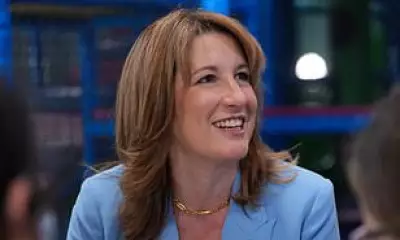
Karen Betts, Chief Executive of the Food and Drink Federation, echoed calls for calm, stating that consumers should "not be concerned about shortages." She acknowledged that supply chain disruptions from the Middle East conflict are driving up manufacturing costs for energy, freight, packaging, and commodities. Despite manufacturers' efforts to absorb these increases, food inflation is forecast to reach at least 9 percent by December 2026 under optimistic scenarios.
To prevent the worst-case scenario from materialising, ministers have drafted emergency measures. These include requesting factories to maximise CO2 production by halting other manufacturing processes, alongside potential emergency legislation to compel cooperation. Plans also involve relaxing competition laws to prioritise limited CO2 supplies for essential sectors like healthcare.
A government spokesperson reiterated that "reasonable worst-case scenarios are a planning tool used by experts and are not a prediction of future events." They pointed to decisive actions already implemented, such as the temporary restart of the Ensus plant, and ongoing collaboration with business groups to address the impacts of Middle East instability on UK supply chains.