UK Rural Firms Face Energy Bill Surge as Iran War Drives Heating Oil Costs
Thousands of independent businesses across the United Kingdom are bracing for their energy bills to more than double, as the war in Iran has propelled heating oil prices to unprecedented record highs in Europe's fuel markets. This sharp increase is particularly impacting small and medium-sized enterprises (SMEs) that rely on heating oil for warmth and hot water, with many already implementing rationing measures to cope with the financial strain.
Heating Oil Dependency and Price Escalation
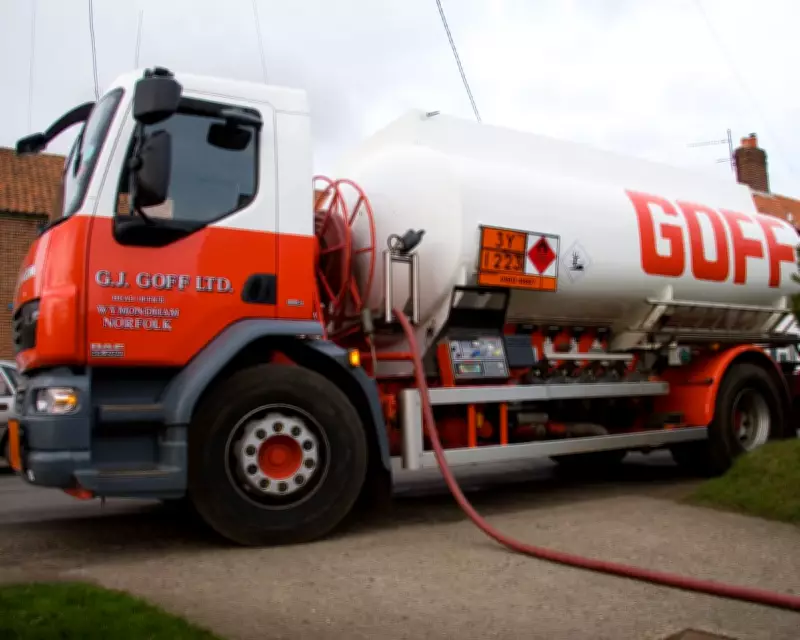
Approximately 7% of all small and medium-sized companies in the UK utilise heating oil to heat their properties and provide hot water. In recent weeks, the cost of this fuel has surged, in some cases more than doubling, due to the ongoing conflict in Iran disrupting global energy supplies. Heating oil, a form of kerosene linked to jet fuel prices, is especially critical for rural businesses, which often lack access to the gas grid.
According to the Federation of Small Businesses (FSB), about 17% of rural SMEs depend on heating oil. This reliance has left them vulnerable to market volatility, as evidenced by reports from members who have begun rationing fuel to manage the steep price hikes. The FSB, representing around 200,000 businesses and sole traders, has urgently called for the UK's competition watchdog to include the SME sector in its investigation into the heating oil market.

Case Study: Impact on a Rural Business
Anthony Jenkins, owner of a hotel and restaurant in North Yorkshire, highlighted the dramatic price increase. In January, his heating oil supplier charged 54.9p per litre, but by late March, the price had jumped to 129p per litre—a rise of over 135%. Jenkins recounted that his supplier refused to provide a firm quote for over a week after a delivery was booked, ultimately informing him the day before that costs would be 116% higher than pre-crisis levels.
To mitigate expenses, Jenkins took only half his usual delivery and requested guests to assist by turning down radiators instead of opening windows when too warm. He noted that guests were cooperative, as they also face higher fuel costs for their vehicles. Looking ahead, Jenkins plans to rely more on solar heating for hot water as days lengthen, aiming to reduce his annual £3,000 heating oil bill. He also mentioned securing a fixed electricity contract early in the conflict, though such deals were rapidly disappearing from the market.
Market Dynamics and Regulatory Concerns
The global energy supply shock from the Iran war has driven record-high prices on Europe's diesel and jet fuel wholesale markets. According to market intelligence firm Argus, North-west European jet fuel and diesel prices exceeded $1,900 (£1,434) and $1,600 per tonne respectively, reaching new all-time highs as market participants anticipated further escalation in the Middle East conflict over the Easter weekend.
In response, the FSB has raised alarms about potential exploitation by rogue energy brokers during this crisis. Tina McKenzie, policy chair of the FSB, emphasised that many small businesses use brokers to secure energy contracts but lack the protections afforded to household energy customers, such as price caps. She warned that the evolving situation creates ripe conditions for unscrupulous brokers to take advantage of stressed and poorly informed business customers.
While proposals exist to strengthen protections for small businesses against rogue brokers, including enhanced scrutiny by the energy regulator Ofgem, these measures await new legislation before taking effect. An Ofgem spokesperson stated that the regulator has reminded non-domestic suppliers and brokers to treat customers fairly, prioritise transparent pricing, and support smaller organisations through challenging market conditions.

Broader Implications and Future Outlook
The surge in heating oil costs threatens the fragile economics of many rural SMEs, which are already navigating post-pandemic recovery and inflationary pressures. The FSB's call for regulatory intervention underscores the need for immediate action to prevent further financial distress among small businesses. As the conflict in Iran continues to influence global energy markets, UK firms reliant on heating oil must adapt through conservation, alternative energy sources, and vigilant contract management to sustain operations amid escalating expenses.