

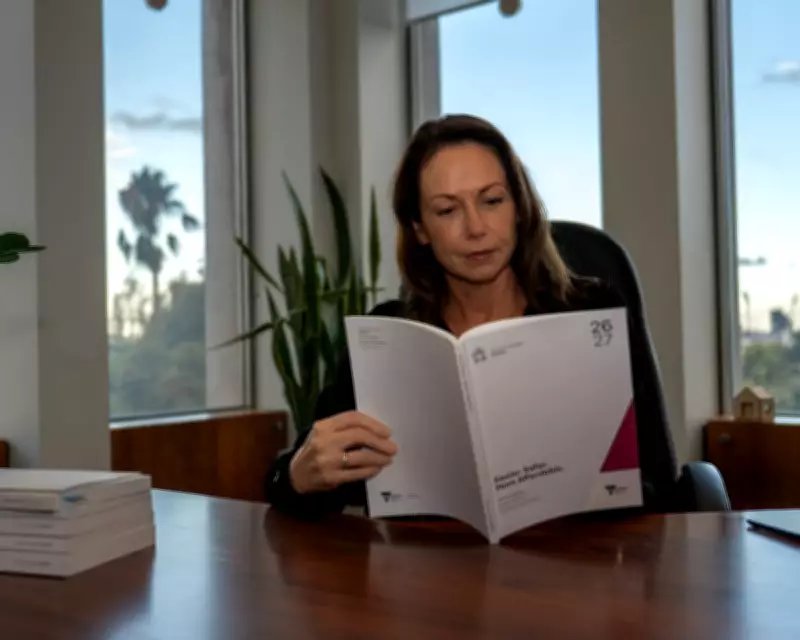
The Victorian government has unveiled its state budget for 2026, projecting a return to surplus after years of deficit spending. The budget, delivered by Treasurer Tim Pallas, forecasts a surplus of AUD 1.2 billion for the 2025-26 financial year, driven by robust economic growth and disciplined fiscal management.
Economic Context
Victoria's economy has rebounded strongly from the pandemic, with employment reaching record highs and business investment surging. The state's gross state product (GSP) is expected to grow by 3.5% in 2025-26, outpacing the national average. This recovery has boosted tax revenues, particularly from payroll tax and stamp duty, enabling the government to narrow the deficit.
Key Measures
The budget includes significant new spending on health and infrastructure. An additional AUD 2 billion has been allocated to hospital upgrades and mental health services, addressing long-standing pressures on the healthcare system. Infrastructure spending remains high, with AUD 15 billion earmarked for transport projects, including the Suburban Rail Loop and level crossing removals.

To achieve the surplus, the government has implemented cost-cutting measures across departments, including a freeze on public sector hiring and reduced spending on consultants. These savings have been partially offset by increased investment in renewable energy and social housing.
Reactions
The opposition has criticized the budget for what they describe as "smoke and mirrors," arguing that the surplus relies on optimistic revenue projections and one-off savings. However, Treasurer Pallas defended the budget, stating it strikes a balance between fiscal responsibility and essential services.
Business groups welcomed the return to surplus but called for further tax relief to stimulate investment. Community organizations expressed concern that spending cuts could affect vulnerable populations, though the government insists that frontline services are protected.
Outlook
The budget forecasts continued surpluses in the medium term, with the government aiming to reduce net debt as a share of GSP. However, risks remain, including potential slowdowns in the global economy and rising construction costs. The government has set aside contingency funds to mitigate these risks.
Overall, the 2026 Victoria state budget marks a significant milestone in the state's fiscal recovery, positioning it for sustainable growth in the years ahead.






