Delivery Riders Endure Scorching Heatwaves Without Basic Protections
As temperatures soared into the mid-40s across Australia this week, most residents sought refuge indoors with air conditioning running. However, for the nation's food delivery riders, sheltering from the brutal heat wasn't an option. These gig economy workers faced a stark choice: risk their health in dangerous conditions or lose crucial income by staying home.
The Brutal Reality of Heatwave Deliveries
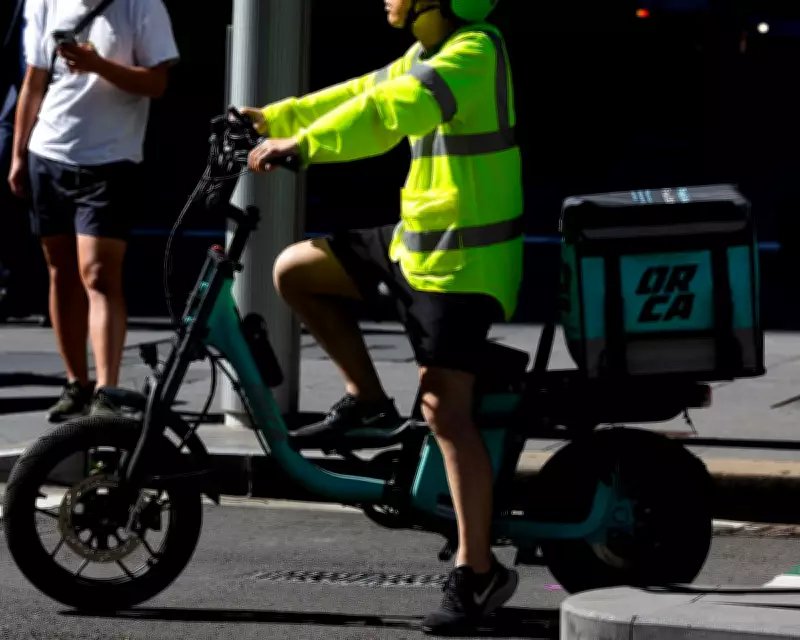
One Melbourne delivery rider described cycling through near 45C temperatures on Tuesday as "exhausting", with the air feeling "so hot" and pavement radiation intensifying the discomfort. While demand for food deliveries increases significantly during heatwaves, so do the risks for riders who must navigate scorching roads while wearing heavy protective clothing.
Stef, a Sydney-based delivery rider who requested anonymity, revealed he has worked through numerous heatwaves over the past two years. "The hardest part is beginning work and trying to find time to take breaks when needed," he explained, adding that he attempts to "stick to the shadows" for minimal sun protection.

Systemic Protection Gaps in the Gig Economy
Experts highlight that delivery riders lack fundamental employee protections because they're classified as independent contractors paid per delivery. Dr Tyler Riordan from the University of Queensland notes that many riders are migrants who may lack experience with Australia's climate extremes. "It is up to each individual to look after themselves," he states, pointing out that algorithmic management systems incentivise rapid work to maintain profitability.
Research from Professor Amelia Thorpe at UNSW, who interviewed over 50 delivery cyclists, confirms that orders spike during extreme weather. This creates a dangerous paradox: while customers avoid heat exposure by ordering indoors, riders face increased workload and health risks. International studies, including research published in Energy and Buildings journal, support these findings, noting that "the frequent occurrence of extreme high temperatures... highlight the outdoor heat exposure issues faced by delivery riders."
Corporate Responses and Worker Experiences
Platforms like Uber Eats and DoorDash emphasise rider flexibility and safety information. A Uber spokesperson stated that delivery people are "independent contractors with the flexibility to choose when and how they work," while DoorDash mentioned safety protocols and extreme weather operation suspensions. However, riders report inadequate practical support.
Alexi Edwards, a 29-year-old former Perth delivery rider, described working through "brutal" 40C days wearing heavy protective gear. "If it's higher than 20C, you're overheating in the PPE gear," she revealed, having only switched to air-conditioned vehicle delivery after a cycling accident.
Stark Contrast with Other Industries
Associate Professor Brendan Churchill from the University of Melbourne highlights the glaring disparity between delivery riders and other workers. "Compare them to tennis players at the Australian Open, whose conditions are subject to 'heat rules'... they get support as the temperature rises, including longer breaks, closed roofs on stadiums," he notes. "Delivery riders don't get anything. There's no boss or regulator coming in to ensure they have rest, breaks, are kept cool."
Push for Systemic Change and Worker Hubs
With climate change increasing heatwave frequency and intensity, experts are calling for comprehensive reforms. Dr Elizabeth Humphrys from UTS's Too Hot to Work project advocates for nationally coordinated plans with mandatory temperature cutoffs across industries. "A cyclist working for Uber Eats is not given more [paid] time on a hot day to cool down or rehydrate," she emphasises.
Some practical initiatives have emerged, like architecture student Andrew Copolov's Gig Workers' Hub in Melbourne's CBD, which provided breaks, refreshments and facilities. Although the trial closed due to funding issues, similar concepts are being explored, including in NSW's night worker action plan. Copolov notes that informal worker congregations can create "organic" support spaces.

Union Advocacy and Safety Statistics
The Transport Workers' Union reports that 23 gig workers have died in Australia since 2017, with actual figures potentially higher due to underreporting. National assistant secretary Emily McMillan calls for swift implementation of fair wage standards and adequate break provisions, especially as "extreme weather events are only increasing." She notes progress through recent agreements with major platforms that promise "life-changing increases to their pay and important protections."
Infrastructure and Customer Considerations
Beyond employment regulations, experts identify infrastructure deficiencies. Professor Thorpe, now researching in Paris, observes that Australia's cycling logistics lag behind European cities. "As Australia gets hotter, we need more trees along our roads, with an emphasis on creating shade along footpaths and bike paths," she recommends.
Dr Riordan suggests customers can contribute to rider safety through respectful engagement and reconsidering whether to order during extreme conditions. "This can start with ensuring we engage in respectful ways or reconsidering the need to send someone else out in the heat if we are not prepared to go ourselves," he advises.
The combination of climate change, inadequate protections, and increasing delivery demand creates urgent challenges requiring coordinated responses from platforms, regulators, and consumers to protect vulnerable workers during Australia's intensifying heatwaves.