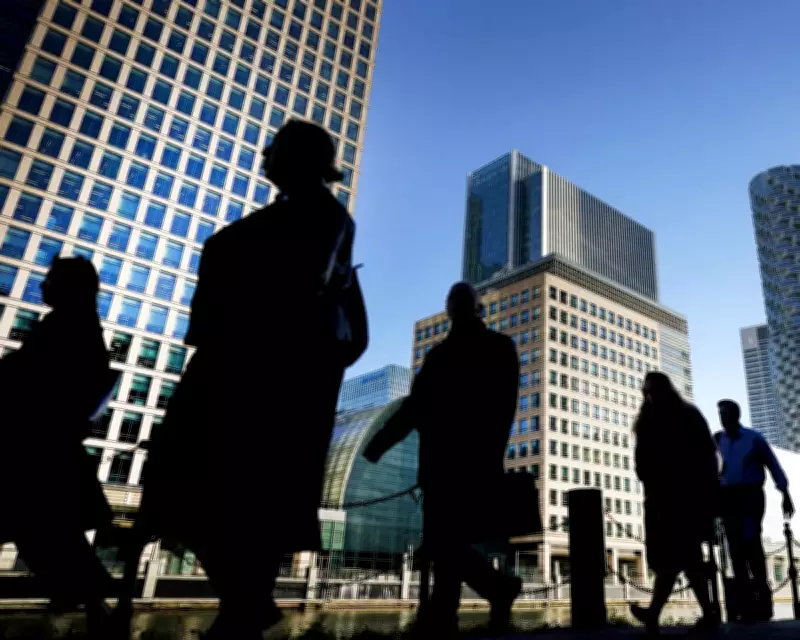
Hybrid Working Settles Into Britain's Post-Pandemic Landscape, Exposing Deep Inequalities
Good morning. The debate over working from home has intensified in Britain, with figures like Nigel Farage of Reform UK calling for an end to remote work, claiming it undermines productivity and a culture of hard work. However, this political rhetoric often obscures a more profound reality: hybrid working has quietly become a permanent feature for many, yet access to it remains sharply unequal, revealing deeper issues of class and opportunity.
The Reality of Hybrid Working in Britain
Since the Covid-19 lockdowns of 2020 and 2021, flexible working has been widely promoted by recruiters as a key tool for attracting and retaining staff, linked to higher employee satisfaction. Data from a House of Commons Library research paper indicates that in October 2025, 27% of workers in Great Britain were engaged in some form of hybrid arrangement, with an additional 13% working fully remotely. This proportion has stabilised, suggesting hybrid working is now the new normal for a significant minority of the workforce.
However, this shift is far from universal. Access to flexibility is concentrated among professional, urban, and higher-paid workers, particularly those in office-based roles and big cities, often with degrees. In contrast, lower-paid workers and those in the most deprived areas are the least likely to have any access to hybrid working at all. Industries such as retail, construction, and hospitality largely exclude remote options, perpetuating a divide where flexibility becomes a privilege rather than a right.

Benefits and Drawbacks of Flexible Working
Proponents argue that hybrid working offers numerous advantages, including improved work-life balance, time for caring responsibilities, hobbies, and savings on commuting costs. A House of Lords committee report from November 2025 concluded that hybrid arrangements can provide the best of both worlds, aiding recruitment and retention while preserving collaboration. Notably, it highlighted that flexible working could help integrate more disabled people and those with long-term health conditions into the workforce, aligning with government aims.
Yet, the benefits are unevenly distributed. Poorly managed hybrid setups can create challenges for teams and managers, and younger workers or new starters may miss out on informal learning and mentoring opportunities. Despite these drawbacks, evidence suggests productivity often remains stable when people work from home part-time, with few companies reverting to full-time office mandates.
Why Hybrid Working Has Become a Culture War Issue
The political charge surrounding remote work reflects broader societal divides. Critics, including figures like Jacob Rees-Mogg, frame it as an elite, London-centric perk enjoyed by professionals at the expense of frontline workers who never had the option. This narrative taps into tensions over class, geography, and values, making hybrid working a symbolic battleground regardless of empirical evidence.
Supporters, meanwhile, view attacks on flexibility as nostalgia for rigid hierarchies and presenteeism, failing to acknowledge how work and family life have evolved post-pandemic. Employers are increasingly tightening office-attendance policies, with over a quarter of businesses increasing requirements in the past year, yet workers, especially women and parents facing rising childcare costs, show reluctance to comply with full-time returns.
Who Benefits and Who Is Left Out?
Flexibility has become a powerful tool for employee retention, with work-life balance often cited as a key reason people stay in jobs. Pre-dating Covid, organisations like the Chartered Management Institute advocated for judging performance on output rather than face time, suggesting well-designed flexibility could narrow the gender pay gap by enabling women to remain in skilled roles and men to share caring duties.
However, the irony is stark: those who benefit most from hybrid working are typically already advantaged, while lower-skilled workers remain excluded. This imbalance underscores how power, flexibility, and opportunity are unevenly distributed in Britain, making hybrid working not just a workplace issue but a reflection of deeper inequalities.

In summary, hybrid working has neither transformed the economy nor solved its disparities, but it is far from the indulgent fiction its critics claim. Instead, it serves as a lens through which to examine the persistent gaps in access and opportunity that define modern British society.