Nevada Brothel Workers Launch Historic Unionization Bid for Rights
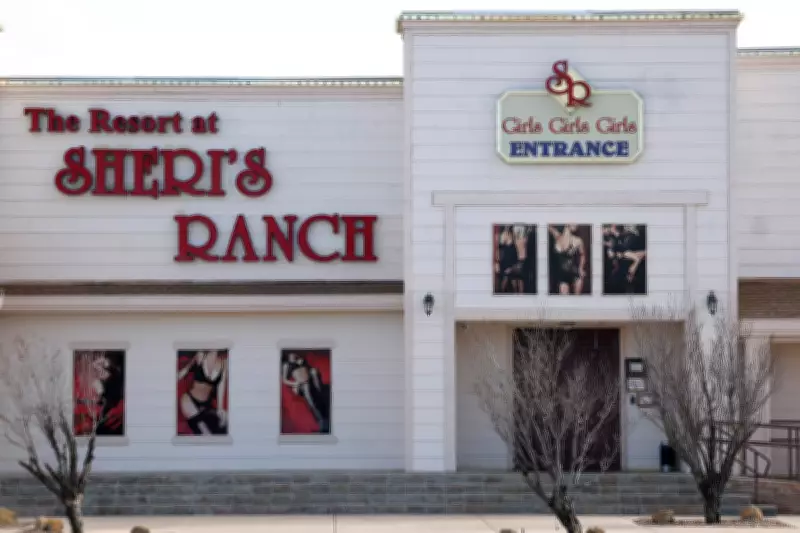
In a groundbreaking move, sex workers at one of Nevada's oldest licensed brothels are fighting to establish the nation's first unionized brothel, aiming to secure workplace protections and challenge controversial contract terms. The effort, centered at Sheri's Ranch in Pahrump, Nevada, has garnered support from the Communications Workers of America and could set a precedent in the stigmatized sex industry.
Petition Filed for United Brothel Workers Union
A majority of the 74 sex workers at Sheri's Ranch submitted a petition to unionize with the National Labor Relations Board last week under the name United Brothel Workers. This initiative is driven by concerns over a new independent contractor agreement issued in December, which workers say grants the brothel excessive control over their intellectual property and likeness.
"We want the same things that any other worker wants. We want a safe and respectful workplace," said a worker using the stage name Jupiter Jetson, who requested anonymity due to fears of harassment. "This is how you end up the face of a Japanese lubricant company without ever having signed a document. This is how you end up finding yourself on a website offering AI companionship without ever seeing a penny."

Contract Disputes and Management Response
The disputed contract, viewed by The Associated Press, gives Sheri's Ranch an "irrevocable, worldwide, perpetual, royalty-free, non-exclusive license" to distribute the women's material, even after they leave. Workers argue this makes it harder to transition to other careers and violates their autonomy.
Jeremy Lemur, the brothel's marketing and communications director, stated in an email that Sheri's Ranch respects workers' rights to express views on workplace structure and focuses on providing a "safe, lawful and professionally managed environment." However, workers claim they were told to sign the contract or leave, with some signing under duress. The dispute remains ongoing, and Lemur did not respond to specific questions about these concerns.
Employee Status vs. Independent Contractor Debate
A key issue in the unionization effort is whether the sex workers should be classified as employees or independent contractors. Currently, they are treated as independent contractors, which offers more freedom but fewer legal protections. The brothel argues this status is fundamental to worker autonomy.
Yet, the women contend they are effectively employees, citing set schedules, inability to work from home, and a requirement to charge clients a minimum of $1,000 per hour, with Sheri's Ranch taking 50% of earnings. "In our dream scenario, we would like to be recognized as employees because we would like the full rights and bargaining power that employees have," Jetson explained.
Broader Implications and Industry Context
Sex work remains a taboo topic globally, with prostitution legal only in a handful of countries like Germany and regulated in Nevada's rural counties. Organizing efforts vary; for example, Spain approved a sex workers' union in 2018, but a court quickly outlawed it. In the U.S., successes include unionized strippers at Star Garden in Los Angeles and the pioneering Lusty Lady in San Francisco, though the latter is now closed.
Barb Brents, an expert in Nevada's sex industry, noted the significance of this effort: "It's pretty amazing and heartening to see so many sex workers standing up for their rights in a stigmatized industry where workers historically lay low and stay quiet."
Unionization Process and Future Negotiations
Union attorneys indicate the process could take weeks, but Sheri's Ranch could choose to recognize the Communications Workers of America as representatives and begin contract negotiations immediately. Workers seek to negotiate over issues like:

- Intellectual property protections for online content they create.
- Dress code policies, such as recent restrictions to denim shorts only.
- Fairer wage contracts and health insurance, which is not currently provided.
Jetson and two others were fired after the unionization effort became known, and the union is fighting for their reinstatement. Lemur did not respond to questions about these terminations. As the battle unfolds, it highlights broader struggles for labor rights in marginalized industries, with potential ripple effects across the U.S. and beyond.