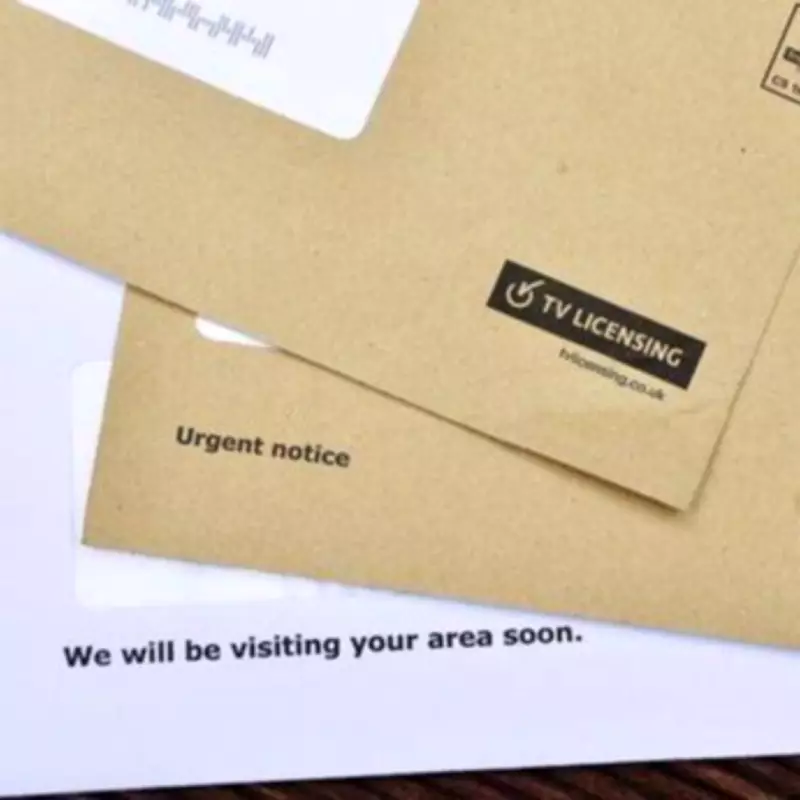
State Pensioners Can Eliminate TV Licence Fee in Just 16 Minutes
In a significant financial relief for older citizens, UK pensioners aged 75 and over on low incomes have the opportunity to slash their TV Licence bill to zero in a mere 16 minutes. This is achievable by claiming one specific Department for Work and Pensions (DWP) benefit: Pension Credit. The current TV Licence fee stands at £174.50 per year, following a £5 increase in April 2025, which adds an extra 42p per month to household expenses.
How Pension Credit Unlocks Free TV Licences
Pension Credit is designed to provide additional financial support to those over State Pension age who are on a low income, averaging more than £3,900 annually according to government estimates. It boosts weekly income to £227.10 for single individuals or £346.60 for couples. Beyond this direct aid, claiming Pension Credit serves as a gateway to a host of other benefits, including a free TV Licence for those aged 75 or older.
The application process for Pension Credit is remarkably swift, with the DWP reporting that it takes an average of just 16 minutes to complete. By successfully applying, pensioners can unlock thousands of pounds in additional financial support, making it a crucial step for those struggling with costs.

Eligibility and Application Details
To qualify for a free TV Licence through Pension Credit, individuals must be aged 75 or over and receiving the benefit. Those already on Pension Credit can apply for the free licence when they turn 74, but they must continue paying for their TV Licence until the end of the month before their 75th birthday. After this point, the free licence coverage begins.
For pensioners who do not meet the criteria for Pension Credit, there are alternative ways to reduce or avoid the TV Licence fee. TV Licensing advises that if you no longer watch live TV on any channel, service, or streaming platform, including BBC iPlayer, you should cancel your licence. Cancellation may also make you eligible for a refund if done before the licence expires.
Other Cost-Saving Options for TV Licences
Beyond Pension Credit, several other avenues exist to cut down on TV Licence costs:
- Discounted Licences: Residents in care homes, supported housing, or sheltered accommodation may qualify for a reduced-rate TV Licence.
- Blind or Severely Sight Impaired: Individuals registered as blind can receive a 50% discount on their TV Licence upon providing the necessary proof.
- Household Sharing: TV Licences cover entire households rather than individuals. If sharing a property with others under a joint tenancy agreement or watching TV in communal spaces, you can split the cost of one licence. However, separate tenancy agreements or private room viewing require individual licences.
It is important to note that a TV Licence is not required for streaming services like Netflix, Disney Plus, catch-up platforms such as All 4 and Amazon Prime Video, online video sites including YouTube, or for watching DVDs and Blu-rays. Sticking solely to these options can save the full £174.50 annually.
Risks of Non-Compliance
Be warned that watching or recording live television without a valid TV Licence can result in a fine of up to £1,000. Therefore, it is essential to ensure compliance with licensing rules to avoid legal penalties.
With the TV Licence fee set to rise in line with inflation until 2027, exploring these cost-saving measures is more crucial than ever for households across the UK.