








Entertainment

Aidan Turner Goes Fully Nude in Rivals Season 2, Pam St Clement Cameo Shocks Fans
Aidan Turner's full-frontal nude scene in Rivals season 2, plus a surprise cameo from EastEnders' Pam St Clement, left fans in disbelief as the bonkbuster returns.





Politics

NYC First Lady's Paris Fashion Week Trip Raises Questions Over Funding
Rama Duwaji, wife of NYC Mayor Zohran Mamdani, attended Paris Fashion Week despite earning only $10,000 last year, sparking speculation about who funded her trip.



Sports

Carragher Slams Mac Allister's 'Embarrassing' Dive Against Villa's Konsa
Jamie Carragher criticised Alexis Mac Allister for an 'embarrassing' attempt to get Ezri Konsa sent off during Liverpool's 3-1 defeat to Aston Villa in the Premier League.



Crime

David Hasselhoff Seen in Wheelchair After Surgery, Sparks Health Concerns
David Hasselhoff, 73, was seen in a wheelchair after knee and hip replacement surgery. The Baywatch star looked frail as he left physical therapy in LA with wife Hayley Roberts.






Health



Weather
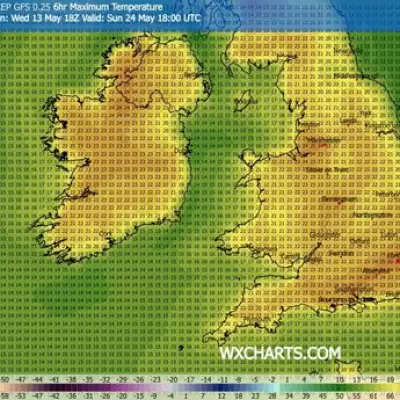
13 UK Cities to Hit 24C on Bank Holiday Weekend
Weather maps show 13 UK cities expected to reach 24C over the May bank holiday weekend, with some areas potentially hitting 25C, according to forecasters.
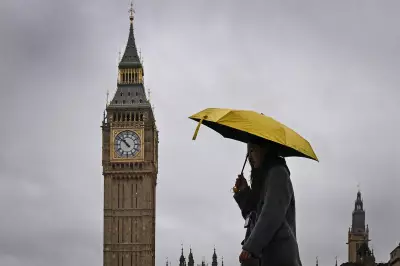
Showers Expected for London Protests and FA Cup Final
London faces showery bursts during protests and FA Cup final, while UK sees mixed weather with highs of 17C. Bank holiday may bring warmer conditions.
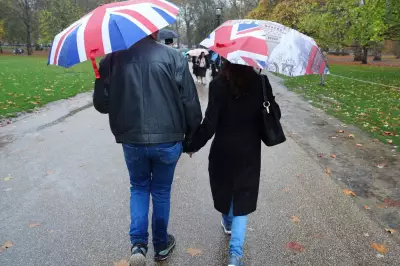
Sunshine and Showers as Thousands Head to London
UK weather forecast: sunshine and showers this weekend as thousands head to London for protests and FA Cup final. Temperatures reach mid-teens.
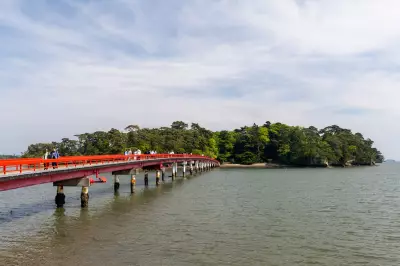
Japan Earthquake: Travel Safety Advice After 6.7 Quake
A 6.7 magnitude earthquake struck off Japan's Miyagi coast. The FCDO advises following local authorities. No tsunami warning issued.

6.7-Magnitude Earthquake Hits Japan, No Tsunami Risk
A 6.7-magnitude earthquake struck off Japan's Miyagi region, prompting warnings in five prefectures. No tsunami risk was reported.
British Isles Geography: Thursday Challenge
Thursday means geography challenge time! Test your knowledge of the British Isles with questions about landscapes, cities, rivers, and famous landmarks.
