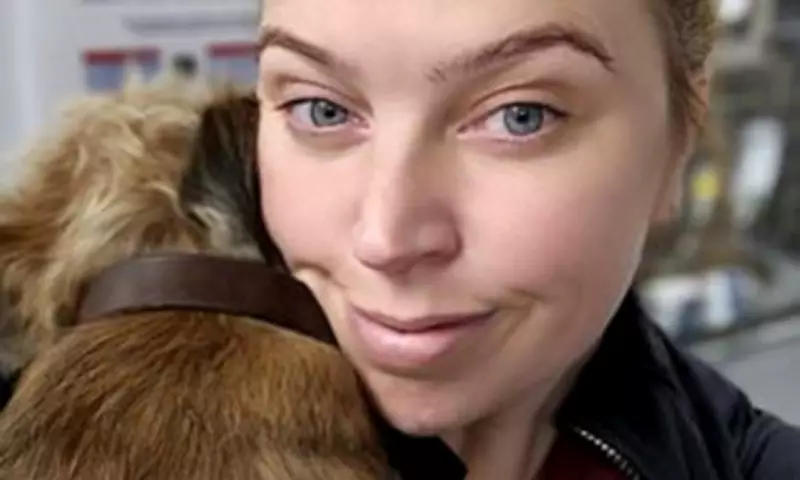
Veterinary Nurse's Disability Discrimination Claim Dismissed by Tribunal
A veterinary nurse who asserted she had epilepsy, ADHD, and dyslexia to contest her redundancy has been unsuccessful in her employment tribunal case. The ruling came after her general practitioner disclosed that she had never pursued any medical treatment or received formal diagnoses for these conditions.
Unsubstantiated Claims and Lack of Medical Evidence
Lacey Pitcher contended that her disabilities, including an inability to drive due to seizures, constituted grounds for discrimination following her dismissal from her role as a veterinary nurse. She also initially raised allegations of discrimination based on pregnancy or maternity, which she later retracted. However, Judge Livesey determined there was insufficient evidence to support her assertions of disability.
The judge noted that while it was entirely possible Ms. Pitcher had experienced epilepsy at some point, no concrete proof was presented. Her GP, Dr. Scott, expressed skepticism about the existence of these conditions, stating he had observed no indications of them despite Ms. Pitcher's claims about their significant impact on her daily life.

Inconsistencies in Driving and Medical History
Ms. Pitcher reported two seizure episodes: one during sleep witnessed by her partner 18 months prior and another while awake over two years ago. She informed the DVLA of a potential seizure but retained an unrestricted driving licence and continued commuting up to three hours daily to her veterinary practice. The tribunal highlighted that she had not been prescribed any medication to manage epilepsy, which the judge found unusual if a diagnosis had been given.
Judge Livesey remarked, "The documentary evidence contained no diagnosis of epilepsy. If such a diagnosis had been given, it seemed unusual for the Claimant not to have been taking any medication to regulate, control or maintain her condition." He added that symptoms described by Ms. Pitcher, such as tingling, déjà vu, zoning out, and fatigue, were vague and unspecific, with no substantial evidence of them being limiting.
Neurodivergence Claims and Blog Publications
Ms. Pitcher had authored blog posts and an editorial for the British Veterinary Nursing Association discussing neurodiversity and mental health. In her writing, she encouraged others to explore neurodiversity, stating, "My dyslexia has often made things a little trickier. A diagnosis of ADHD later in life made so many things make much more sense." However, the tribunal on January 20 concluded that while there was evidence of her concerns about being neurodivergent, no formal ADHD assessment or diagnosis had been conducted, and inadequate proof of impairment to daily activities was provided.
Tribunal's Final Decision and Dismissal of Claims
The judge ultimately ruled that Ms. Pitcher was not disabled at the relevant time, leading to the dismissal of her claims for direct disability discrimination and discrimination arising from disability. The pregnancy or maternity discrimination claim was also dismissed upon withdrawal. This case underscores the importance of verifiable medical evidence in disability discrimination tribunals, highlighting how unsubstantiated claims can fail under judicial scrutiny.