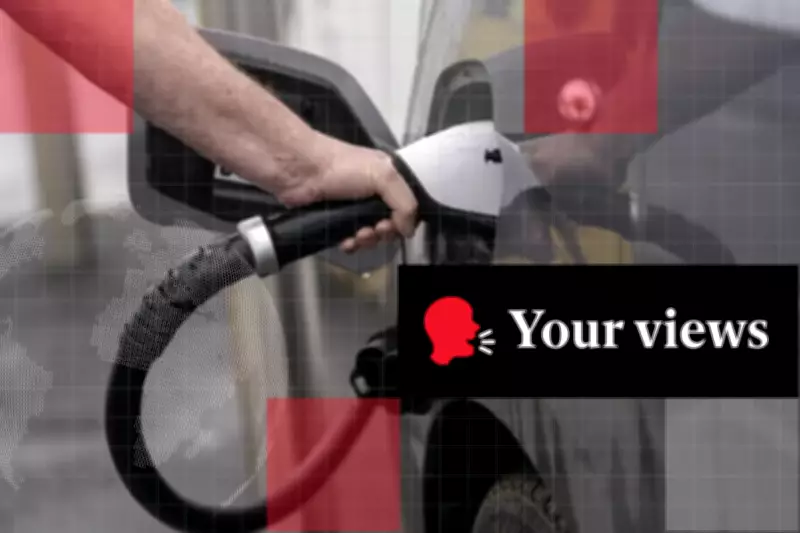
Government's Proposed 3p-per-mile eVED Tax on Electric Vehicles Ignites Fierce Debate
The UK government has unveiled plans to introduce a controversial pay-per-mile tax on electric vehicles, dubbed eVED (Electric Vehicle Excise Duty), set to commence in April 2028. Chancellor Rachel Reeves initially floated the proposal in last year's budget, sparking widespread discussion among motorists and environmental advocates alike.
Balancing Fairness and Revenue in the EV Era
With the transition to electric vehicles accelerating and fuel duty revenues declining, the government aims to implement a 3p-per-mile charge to help offset lost tax income. This move comes as fewer miles are being driven by traditional petrol and diesel car owners, creating a significant fiscal gap.
Supporters argue that a per-mile system represents a fairer approach to taxation, ensuring those who drive more contribute more to road maintenance and public services. Many Independent readers have expressed acceptance that some form of replacement for lost fuel duty is inevitable, with the proposed rates still allowing EV owners to save thousands annually compared to traditional vehicle running costs.

Concerns Over Implementation and Environmental Impact
However, significant concerns have emerged regarding the proposal's practical implementation and potential environmental consequences. Critics warn that self-reported mileage systems could be vulnerable to abuse, suggesting instead that charges should be linked to MOT mileage logs or connected-car data to ensure accuracy.
Rural drivers have voiced particular apprehension, questioning why they should bear additional costs for essential travel in areas with limited public transportation options. Plug-in hybrid owners face additional confusion about whether they'll be subject to both petrol taxes and the new EV mileage charges.
The Net-Zero Dilemma
Environmental considerations loom large in the debate. Several commentators have highlighted that fuel duty already falls short of covering the environmental damage caused by petrol and diesel vehicles, with current estimates suggesting a typical family car causes about 5p per mile in environmental costs.
Many fear that imposing additional taxes on electric vehicles could slow the transition to cleaner transportation, undermining the UK's net-zero ambitions. Some have labeled the proposal an "anti-net-zero policy" that fails to properly incentivize low-carbon alternatives.
Alternative Proposals and Broader Reforms
Beyond the specific eVED proposal, readers have suggested numerous alternative approaches:
- Implementing a pay-by-distance scheme for all vehicles regardless of fuel type
- Increasing petrol taxes to encourage faster EV adoption
- Introducing vehicle weight-based taxation to account for EV's heavier impact on road surfaces
- Developing automated systems using existing camera networks or MOT station reporting
The Office for Budget Responsibility has warned that by the mid-2030s, the UK could lose approximately £30 billion annually in fuel and road taxes, making some form of mileage-based taxation increasingly inevitable.
Economic Considerations and Practical Challenges
Proponents of electric vehicles emphasize their broader economic benefits, including:
- Reduced oil imports keeping more money within the UK economy
- Lower air pollution leading to healthier workforces and reduced NHS costs
- Grid stabilization potential through smart charging technologies
- Significant running cost savings for consumers
Practical implementation questions remain unresolved, including how to handle vehicles driven abroad for extended periods and concerns about increased "rat-running" through rural areas as drivers seek to avoid main road charges.
The debate continues as the government seeks to balance revenue needs with environmental goals and fairness considerations in an increasingly electrified transportation landscape.