Oil Prices Surge to One-Year High as Iran Blocks Vital Hormuz Strait
Oil prices have escalated dramatically as the Middle East conflict intensifies, with Iran taking decisive action to block a crucial shipping route for crude tankers. This geopolitical maneuver has sent shockwaves through global energy markets, prompting significant financial turbulence and raising alarms over impending cost increases for consumers.
Sharp Rise in Brent Crude Prices
On Tuesday, Brent crude experienced a substantial increase of more than 3%, reaching a one-year peak of 80 US dollars per barrel. This follows a volatile trading session on Monday, where prices initially soared by as much as 13%, briefly exceeding 82 dollars a barrel before retracting slightly. The persistent upward trend underscores the market's acute sensitivity to disruptions in oil supply chains.
Iran's Blockade of the Strait of Hormuz
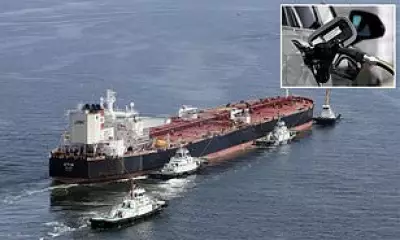
An Iranian official has reportedly issued a stark warning to tankers navigating the Strait of Hormuz, declaring that no vessels will be permitted passage as part of Tehran's retaliatory measures against US and Israeli strikes. The Strait of Hormuz is a critical maritime corridor, facilitating the transport of approximately one-fifth of the world's oil supplies and a significant portion of seaborne natural gas. Its closure represents a severe bottleneck for global energy logistics.

Impact on Gas Prices and Production
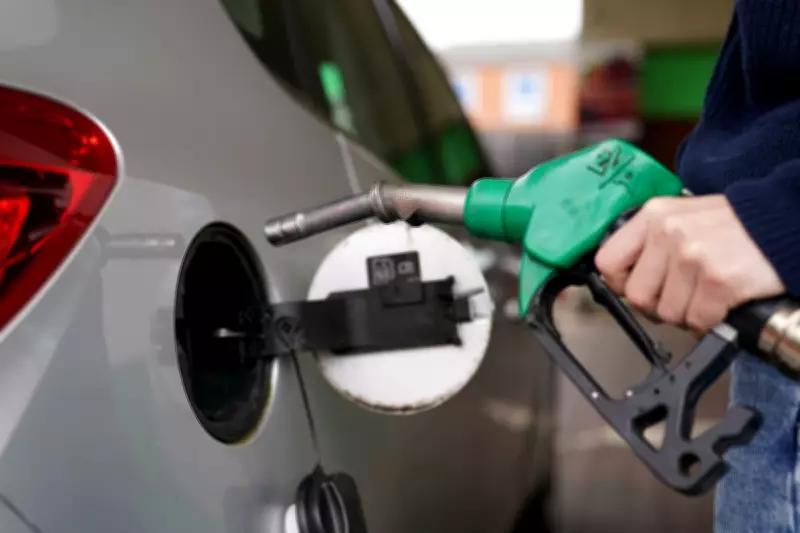
Concurrently, gas prices witnessed their most rapid surge since the onset of the Ukraine war, climbing 52% on Monday. This spike was triggered by Qatar's decision to halt liquefied natural gas production following attacks by Iran. The dual escalation in oil and gas costs has ignited concerns over sharp rises in petrol prices and domestic energy bills, which are anticipated to burden UK households in the coming months.
Financial Market Turmoil
Financial markets have been thrown into disarray by these developments. In London, the FTSE 100 Index concluded Monday's trading 1.2% lower, with further declines expected upon Tuesday's market opening. On Wall Street, US stock markets managed to recover much of their losses, ending the day relatively flat, but predictions indicate potential falls in Tuesday's volatile trading environment.
Geopolitical Context and Military Projections
The situation unfolds against a backdrop of heightened military tensions. US President Donald Trump has cautioned that military operations against Iran could extend "far longer" than the initial four-to-five-week projection. Since the killing of Iran's Supreme Leader Ayatollah Ali Khamenei on Saturday, the US and Israel have sustained a barrage of strikes against Iranian targets. Tehran has retaliated with attacks on Israel and the oil and natural gas production facilities of Gulf states allied with the US.
Immediate Consequences for Fuel and Shipping
The impact on fuel prices has been immediate and severe. The blockade of the Strait of Hormuz drove the cost of hiring an oil supertanker to transport crude from the Middle East to China to an unprecedented high on Monday. This logistical disruption exacerbates supply constraints, compounding price pressures across the energy sector.
Focus on FTSE 100 Oil Giants
In London, the conflict is poised to further depress stock markets, while simultaneously casting a spotlight on FTSE 100 oil behemoths BP and Shell. Derren Nathan, head of equity research at Hargreaves Lansdown, noted, "Sentiment towards BP and Shell has strengthened significantly off the back of oil price spikes. However, it's a complex picture. Neither company has production in Iran, but BP's significant output in Iraq and Abu Dhabi risks being bottlenecked through disruption to the Strait of Hormuz. For Shell, the same applies to its LNG facilities in Qatar and the Emirates."
The ongoing crisis highlights the intricate interplay between geopolitical strife and global economic stability, with energy markets serving as a primary barometer of escalating tensions.