Global oil prices experienced a sharp increase on Monday following reported attacks on tankers and infrastructure in the vicinity of the Strait of Hormuz, a vital chokepoint for international oil and gas shipments. Brent crude surged by 4.5 per cent to reach $76.07 per barrel, while US crude climbed 3.9 per cent, reflecting heightened market anxiety.
Iranian Strikes Escalate Tensions
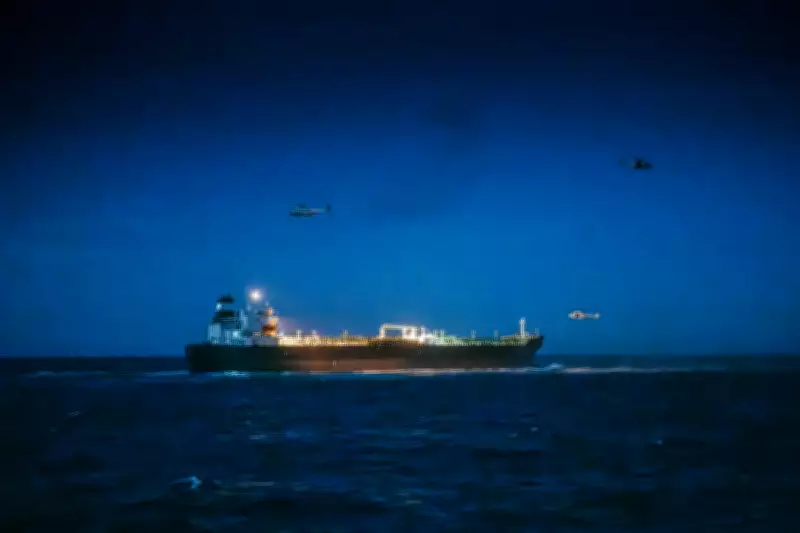
The price hike occurred after Iran's Islamic Revolutionary Guard Corps (IRGC) claimed responsibility for striking three US and UK oil tankers in the Gulf and Strait of Hormuz. These attacks involved missile and drone operations, with one tanker reportedly set ablaze by Iranian drones, intensifying concerns over maritime security.
Threats to Shipping Lanes
An official from an EU naval force reported intercepting IRGC radio transmissions that threatened to block the Strait of Hormuz. This led to a significant slowdown in marine traffic as vessels navigated the area cautiously. Although Iran has not formally confirmed a closure, the mere threat has disrupted normal operations, causing delays and uncertainty among shipping companies.

Market Reactions and Economic Implications
In response to the escalating situation, investors shifted towards safer assets, with the dollar and gold seeing increased demand. Concurrently, airline shares fell due to fears of higher fuel costs impacting profitability. Analysts warn that a prolonged disruption of the Strait, which handles approximately one-fifth of global seaborne oil, could result in a substantial increase in oil and gas prices.
Potential for Wider Economic Shock
The economic consequences of such disruptions could be severe for global markets, potentially leading to inflationary pressures and reduced economic growth. The Strait of Hormuz is a critical artery for energy supplies, and any sustained blockage or attack could trigger broader geopolitical instability, affecting trade routes and energy security worldwide.
As tensions continue to mount, stakeholders are closely monitoring developments, with many calling for diplomatic efforts to de-escalate the situation and ensure the free flow of maritime traffic through this essential corridor.