Countries within the OPEC+ oil cartel have declared a significant increase in crude oil production following a major escalation of military conflict in the Middle East. This decision comes as United States and Israeli forces launched coordinated attacks on Iran, prompting retaliatory strikes by Iran against Israeli and U.S. military installations throughout the Gulf region.
Production Increase Exceeds Expectations
During a scheduled meeting on Sunday, the Organization of Petroleum Exporting Countries and its allies, collectively known as OPEC+, revealed plans to boost output by 206,000 barrels per day starting in April. This figure notably surpassed the projections of many industry analysts, indicating a proactive response to mounting geopolitical tensions.
The nations committing to this production hike include Saudi Arabia, Russia, Iraq, the United Arab Emirates, Kuwait, Kazakhstan, Algeria, and Oman. Their collective action aims to stabilize global oil markets amid fears of supply disruptions.

Critical Shipping Lane Under Threat
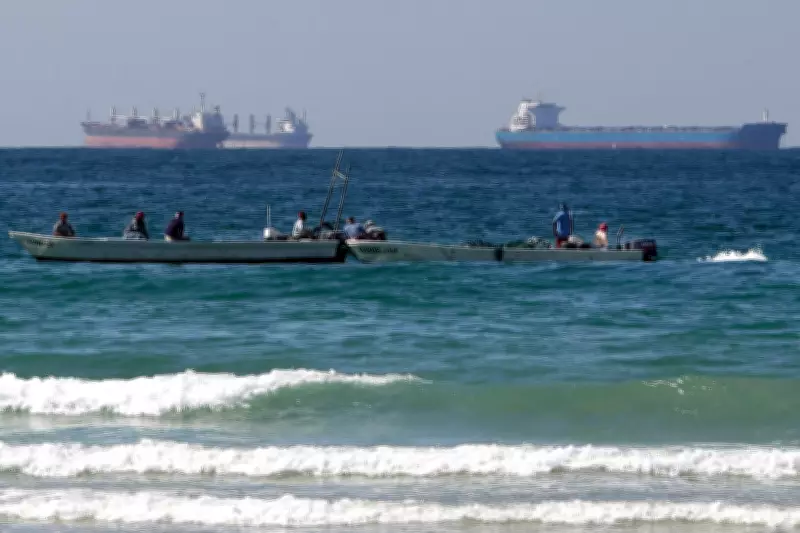
Recent attacks on maritime vessels transiting the Strait of Hormuz have raised serious concerns about the security of this vital oil corridor. The narrow passage, bordered to the north by Iran, serves as the primary export route for approximately 15 million barrels of crude oil daily, representing about 20% of global supply.
According to data from Rystad Energy, this makes the Strait of Hormuz the world's most critical oil chokepoint. Tankers carrying oil and natural gas from major producers including Saudi Arabia, Kuwait, Iraq, Qatar, Bahrain, the UAE, and Iran all depend on this strategic waterway.
Iran had previously closed sections of the strait in mid-February for military exercises, demonstrating its capacity to disrupt shipping. Further interruptions could severely constrain global oil supplies, inevitably driving prices upward.
Market Impact and Expert Analysis
Energy market specialists anticipate immediate price increases when trading resumes. Rystad analysts project that Brent crude, the international benchmark, could surge by as much as $20 per barrel following the weekend's developments. This would represent a dramatic jump from Friday's closing price of $72.87, which was already a seven-month high.
Jorge León, Rystad's Senior Vice President and Head of Geopolitical Analysis, emphasized the critical importance of export routes over production capacity. "Roughly one-fifth of global oil supply passes through the Strait of Hormuz, a vital artery for world trade," León stated via email. "If flows through the Gulf are constrained, additional production will provide limited immediate relief, making access to export routes far more important than headline output targets."
Broader Implications for Global Energy Markets
The conflict's ripple effects extend beyond immediate supply concerns. Iran currently exports approximately 1.6 million barrels of oil daily, primarily to China. Should these shipments be disrupted, China would need to seek alternative suppliers, creating additional upward pressure on global energy prices.
Energy experts warn that the combination of military conflict and potential shipping disruptions could lead to sustained higher prices for both crude oil and refined petroleum products like gasoline. The OPEC+ production increase represents an attempt to mitigate these effects, though its effectiveness will depend heavily on whether oil can physically reach global markets through the threatened Gulf shipping lanes.