

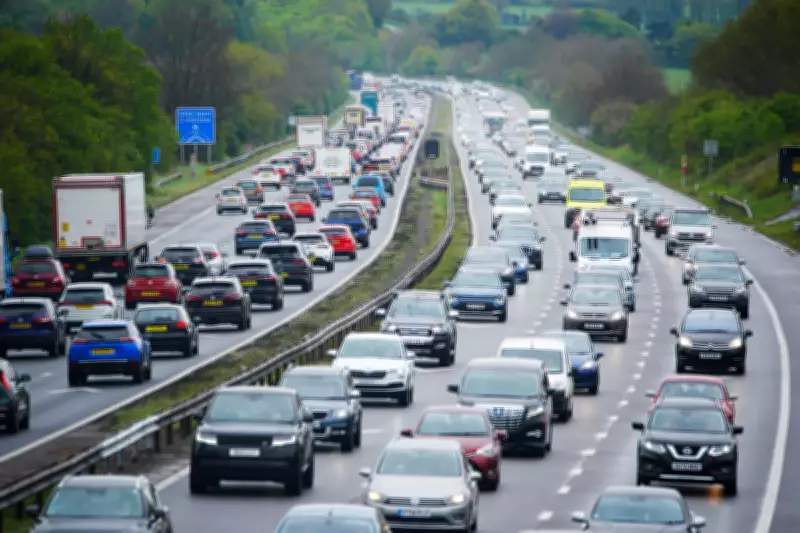
UK Petrol Prices Plummet to Lowest Level in Nearly Five Years
Motorists across the United Kingdom are experiencing a significant financial reprieve as petrol prices have dropped to their lowest point in almost five years. According to the latest analysis from the RAC, the average cost of a litre of petrol at UK forecourts has now fallen to 131.91p.
This marks a substantial decrease, with prices not having been this low since July 2021, when they averaged 131.81p per litre. The motoring organisation has highlighted that this decline offers tangible savings for drivers, especially those with family vehicles.
Substantial Savings for Drivers
The RAC reports that petrol prices have fallen by more than 5p since the beginning of December. This reduction translates to a saving of nearly £3 when filling a typical 55-litre family car, providing welcome relief for household budgets.

Diesel prices have also seen a notable reduction, dropping by 3p per litre since early January to an average of 140.97p. This dual decline in fuel costs is being welcomed by both private motorists and commercial vehicle operators across the nation.
Global Oil Price Decline Drives Savings
This welcome price reduction is primarily attributed to a significant fall in the global price of oil. The commodity dipped below the 60 US dollars per barrel mark on 7 January – a level not observed since February 2021.
RAC head of policy Simon Williams commented on the development, stating: “Seeing the price of petrol dip under 132p is a genuine boost for drivers, rewinding prices to those we last saw four and a half years ago.”
Williams added: “With even cheaper prices available depending on where drivers fill up, this is a positive start to the year for household budgets.”
Retailer Margins Under Scrutiny
Despite the positive news for consumers, questions remain about whether retailers have passed on the full extent of wholesale savings. Williams noted: “Had retailers passed on more of the savings they’ve benefited from when buying new fuel supply on the wholesale market, the January price reductions would probably have been bigger.”
This concern is supported by a December report from the Competition and Markets Authority (CMA), the UK's competition watchdog. The report found that profit margins made by fuel retailers had risen over the previous year.
The CMA stated that this increase could not be explained by operating cost pressures, as claimed by supermarkets and other fuel retailers, and signalled that competition in the sector was “weak.”
Regional Variations and Consumer Advice
While the national average provides a useful benchmark, the RAC emphasises that prices can vary significantly depending on location. Savvy motorists are encouraged to shop around, as some forecourts are offering even more competitive rates than the national average.
This price drop comes at a crucial time for many households facing ongoing cost of living pressures. The reduction in fuel costs represents one of the few areas where consumers are currently seeing prices move in a favourable direction.
As global oil markets continue to fluctuate, industry observers will be watching closely to see whether these lower prices can be sustained throughout the coming months. For now, UK drivers have reason to welcome the most affordable petrol prices they've seen in nearly half a decade.






