Strait of Hormuz Crisis: Global Oil Supply at Risk Amid Iran Conflict
Any disruption to the Strait of Hormuz reverberates instantly through global markets and supply chains, with the current Iran conflict pushing this critical chokepoint to the forefront of international concern. Following attacks by Israel and the US on Iran starting February 28, Tehran has broadcast claims that the strait is closed, though physically sealing it remains challenging.
Maritime Attacks and Immediate Impacts
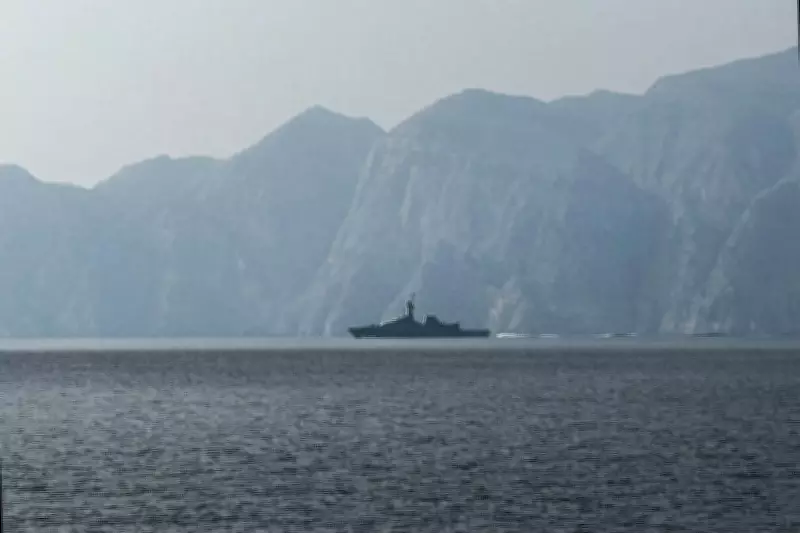
The conflict's maritime dimension was highlighted by the reported sinking of several Iranian warships by US missiles in the Gulf of Oman. Additionally, two tankers were hit by missiles near the Strait of Hormuz, underscoring the lane's strategic importance. Full details are still emerging, but vessel tracking shows reduced movements as ships divert or wait, with major companies like Hapag Lloyd and CMA CGA suspending transit.
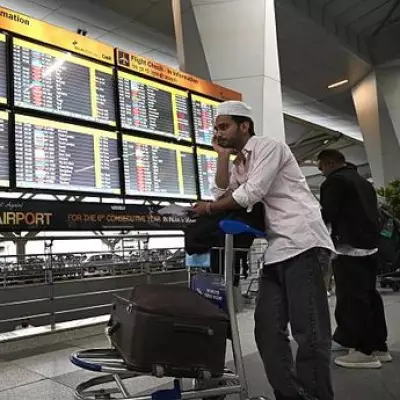
An advisory from the United Kingdom Maritime Trade Operations Centre warns of increased risks of miscalculation near military units. Port operations have been disrupted, including at Dubai's Jebel Ali Port after debris from an intercepted missile sparked a fire.

Economic and Supply Chain Consequences
The Strait of Hormuz carries about one-fifth of global oil supplies, roughly 20 million barrels per day, making it the world's most critical energy chokepoint. Disruption here directly hits global energy supplies, with oil prices expected to surge to up to US$100 per barrel as markets open. OPEC has agreed to modest output boosts, but key members are affected by the fallout.
Beyond oil, one-third of the world's fertiliser trade passes through the strait, compounding instability from the Ukraine war. Energy price increases will impact consumers at petrol pumps and in home heating bills, while companies across industries face further supply chain disruptions.
Geopolitical Risks and Alternatives
Iran could attempt to mine the shipping lanes, though a large US naval presence complicates this. A formal blockade isn't necessary to halt traffic; perceived threats alone drive ships away. Countries like China, India, Japan, and South Korea, which rely heavily on Hormuz for oil and gas, are activating contingency plans.
Saudi Arabia and the UAE have pipelines bypassing Hormuz with spare capacity of 2.6 million barrels per day, but this is a fraction of normal shipments. Limited alternatives amplify the impact of any de facto closure, with prolonged disruption risking structural economic damage.
Potential for Escalation
The sinking of a tanker could have catastrophic environmental effects and halt navigation long-term. Previously, Iran closing the strait was seen as unlikely due to global backlash and self-harm, but with regime change now a stated goal of US-Israeli attacks, Tehran might justify holding the world economy hostage.
Prolonged instability threatens not just regional security but the global economy, as supply chains rely on predictability now undermined by persistent geopolitical uncertainty.