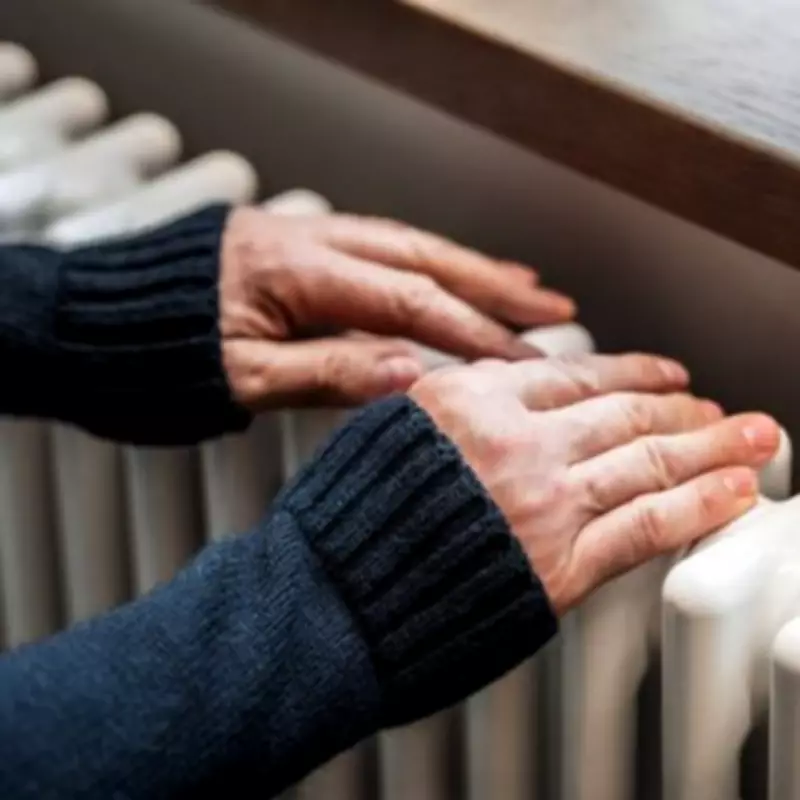
If your home feels persistently cold even with the central heating switched on, the problem might not originate from your boiler at all. According to a leading heating specialist, inefficient heat distribution is often the real culprit behind those frustratingly chilly rooms.
Understanding the Core Issue
Patrick Garner, a certified Gas Safe engineer working with Heatable, identifies sluggish heating as one of the most frequent complaints he encounters, particularly in older period properties or homes that have undergone significant extensions. He explains that when a boiler is functioning correctly and radiators are genuinely hot to the touch, slow warm-up times typically stem from heat not being distributed or released efficiently throughout the property.
Common Causes of Inefficient Heating
Garner highlights several key factors that can prevent your living space from reaching a comfortable temperature:

- Inadequate Radiator Balancing: This occurs when radiators positioned closest to the boiler receive hot water first, leaving rooms further away cold for extended periods. Over time, sludge and debris accumulation within radiators and pipes can further hamper circulation, slowing the entire system.
- Faulty Radiator Valves: Partially shut or sticky radiator valves can quietly limit how much heat reaches a room, even if they appear operational.
- Undersized Radiators: A radiator might feel warm but be too small for the room it serves, unable to emit sufficient warmth to heat the space effectively.
- Circulation Pump Issues: A worn-out or poorly configured circulation pump can move hot water through the system at a snail's pace, despite other components seeming normal.
- Complex Pipe Layouts: Lengthy pipe runs, microbore pipework, or complicated configurations from extensions or loft conversions can result in remote radiators receiving heat belatedly and at reduced temperatures.
- Control System Deceptions: In properties where a single thermostat governs a large area, the boiler might shut off once that sensor is satisfied, even if other rooms remain chilly.
How to Identify a System Issue Versus Boiler Failure
According to Garner, consistency is the tell-tale indicator. He elaborates: "If the boiler runs steadily with no fault codes, hot water is normal and radiators get properly hot, but rooms still take ages to warm or heat unevenly, that points to a system issue rather than the boiler itself."
In contrast, a faulty boiler typically displays more obvious red flags such as radiators remaining tepid throughout the house, constant cut-outs, or patchy hot water coupled with heating problems. Essentially, when your property seems slow to heat up, it's frequently not about the amount of warmth being produced, but how effectively that warmth reaches where it needs to go.
Addressing these distribution issues through professional balancing, valve maintenance, or system upgrades can transform a cold, inefficient home into a snug and inviting space, ensuring your heating system works as intended during those damp winter months.