Reserve Bank of Australia Governor Michele Bullock has issued a stark warning, stating there is a "live" possibility of an interest rate hike at the upcoming March meeting. This comes as the central bank grapples with the economic fallout from escalating tensions in the Middle East, particularly attacks on Iran, which threaten to drive up oil prices and complicate efforts to rein in inflation.
Uncertainty Over March Decision
In unusually direct remarks, Bullock emphasized that the RBA board meeting on 16-17 March is not a foregone conclusion for maintaining rates. While she refrained from making a specific prediction, she highlighted that back-to-back rate increases are under serious consideration. This stance marks a shift from earlier market expectations, which had largely discounted a move in March, anticipating a potential hike in May instead.
Inflation and Labour Market Pressures
Bullock pointed to current economic indicators as key factors in the decision-making process. Headline inflation stands at 3.8%, and unemployment is at 4.1%, reflecting a tight labour market. She stressed that the board is actively evaluating whether more rapid action is necessary to curb inflationary pressures, discouraging the notion that the RBA only makes significant moves quarterly.

The RBA had previously raised the cash rate to 3.85% in February, responding to an unexpected inflationary surge in the latter half of the previous year. Financial markets have reacted swiftly to Bullock's comments, with Bloomberg reporting that the probability of a hike on 17 March jumped from near zero to over 25%.
Impact of Iran Conflict on Oil Prices
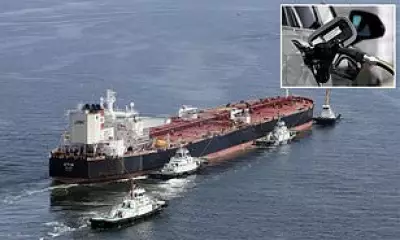
A critical concern for the RBA is the potential for a prolonged spike in oil prices due to the attacks on Iran, which have disrupted key Middle Eastern shipping routes. Bullock warned that a "very elevated and lengthy rise" in energy prices could threaten economic growth both in Australia and globally. While the central bank typically overlooks temporary price shocks, she expressed uncertainty about whether this approach is appropriate given the current elevated inflation environment.
Risks to Inflation Expectations
Bullock elaborated on the risks, noting that the situation might be more challenging because inflation is already high, and there is a danger that inflation expectations could become "unanchored." This could lead to a self-perpetuating cycle of rising prices, making it harder to achieve the bank's target of bringing inflation down within a reasonable timeframe while preserving employment gains.
She also highlighted the dual impact of higher fuel costs: they contribute to headline inflation and may boost government revenues through energy exports, but they also drag on economic growth as households face increased power bills and petrol expenses.
Global Economic Implications
The broader implications of the Iran conflict extend beyond Australia. Bullock noted that if the conflict becomes prolonged, it could negatively affect economic activity worldwide. Despite the current "orderly" response to the attacks, the RBA has been monitoring potential energy price shocks since last year, underscoring the interconnected nature of global markets.
In summary, the RBA's March meeting is poised to be a pivotal moment, with Governor Bullock's comments signaling heightened vigilance over inflation risks stemming from geopolitical tensions and domestic economic conditions.