Expert Guide: Avoiding Common Kitchen Layout Mistakes for Optimal Functionality
When embarking on home renovations, a gleaming new kitchen often inspires confidence to transform the hardest-working room in the house. However, kitchen upgrades, whether a total refurbishment or simple fixture changes, involve more than meets the eye. From circulation and storage to island sizing and placement, thoughtful layout choices can make or break everyday usability. Here, design specialists outline prevalent kitchen layout challenges and offer practical strategies to design around them effectively.
Consider Circulation and Spacing
Kiya Kelly-Paine, a design expert from the home and design platform Houzz, emphasises that kitchens now serve multiple roles, from cooking and dining to working and entertaining. She highlights that circulation space plays a crucial role in daily functionality, with the Houzz Kitchen Trends Study 2026 indicating that a third of renovations are driven by functionality rather than aesthetics alone.
Mark Andrews, director of Dual Designs with decades of experience in bespoke kitchens, adds that correct spacing is vital in a busy working space. He warns that ignoring spacing can make everyday tasks harder, causing the kitchen to lose its intended appeal. Every zone, including cooking, cleaning, and storage, must function well individually and collectively.

Find the Correct Island Size for Your Space
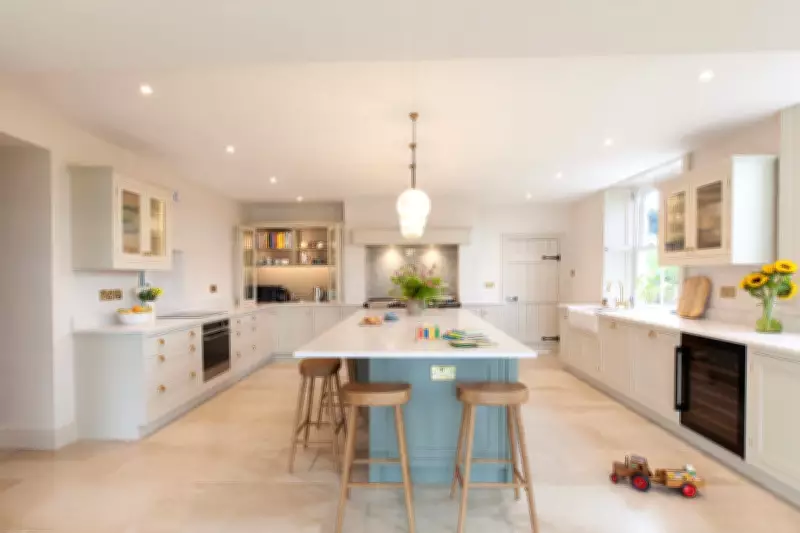
Andrews underlines that while kitchen islands are highly desired, they must suit the space to avoid dominating the room or appearing disproportionate. Correct spacing around an island is key, allowing natural movement between the main worktop and the island, with enough room for opening doors, unloading appliances, and comfortable seating.
Kelly-Paine notes that islands increasingly function as multi-purpose hubs for activities like cooking, dining, and baking, making proportion and spacing especially important. She recommends using tools such as 3D floor plans to visualise how an island will function within the space.
Focus on Workflow and Zoning
When selecting cabinetry, Kelly-Paine observes a strong shift towards task-specific zones in kitchens. Speciality built-in features like pantries, butler’s kitchens, or beverage stations are gaining traction, with designers planning around specific activities rather than a single central workspace.
Andrews warns that overlooking kitchen zoning can turn simple tasks into frustrations, often due to poor relationships between prep, sink, and cooking zones. He suggests that small layout changes, such as thoughtful positioning of bins, dishwashers, or work surfaces, can significantly impact daily use.
Plan Clever Storage
Storage remains a top priority, according to Kelly-Paine, with integrated features like pull-out bins, deep drawers, and organisers optimising space. Houzz professionals advise planning storage around daily routines to keep clutter out of sight while ensuring frequently used items are easily accessible.
Andrews explains that improper storage planning can lead to items spilling into other rooms. He recommends deep pan drawers and well-designed larders to reduce wasted space and keep everyday items organised and close to where they are used.
Consider Lighting Early in Your Renovation Journey
Andrews notes that lighting is often an afterthought but has a huge impact on usability. Poorly positioned lighting can cast shadows over prep and sink areas, turning practical spaces into problem zones. He stresses that good lighting, including task lighting under wall units and internal lighting in larders, should be planned alongside the layout from the beginning.
Kelly-Paine adds that lighting is one of the most commonly upgraded features, with task lighting like under-cabinet lights being particularly popular. This highlights how closely lighting choices are tied to layout and daily kitchen use.