Understanding Bay Windows: A Complete Homeowner's Guide
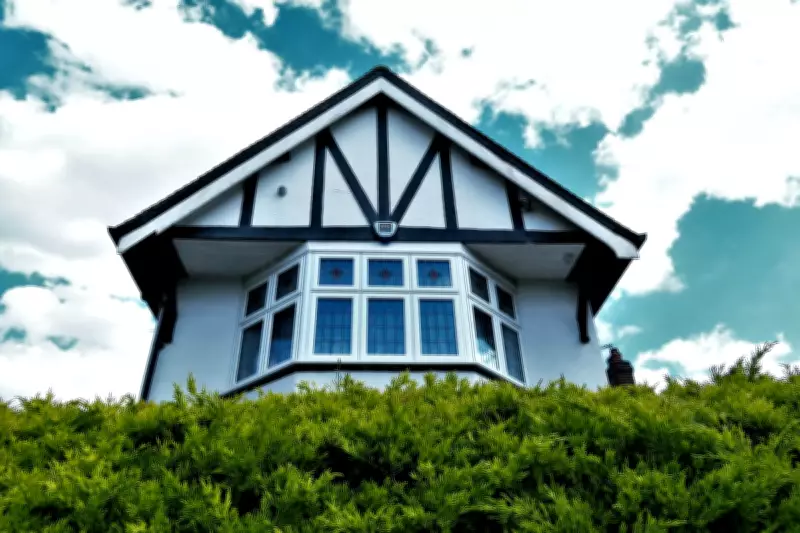
Bay windows represent a distinctive architectural feature that projects outward from a property's exterior wall, creating additional interior floor space while providing expansive outdoor views. Typically constructed with a larger central pane flanked by two angled side windows, these installations form either a gentle curve or faceted shape that dramatically increases natural light penetration compared to standard flat windows.
Historical Popularity and Modern Appeal
While historically associated with Victorian and Edwardian architecture, bay windows maintain contemporary popularity due to their ability to make rooms appear more spacious, brighter, and characterful. Beyond aesthetic enhancement, they can significantly boost kerb appeal while creating practical alcove spaces suitable for seating arrangements, storage solutions, or simply establishing a more open atmosphere within living areas.
The primary trade-off involves increased complexity and cost compared to conventional window installations. Homeowners should carefully evaluate benefits, potential drawbacks, and projected expenses before determining whether bay windows represent an appropriate investment for their property.

Material Options and Associated Costs
Modern bay windows are available in three primary materials, each with distinct characteristics and price points:
- uPVC – The most economical choice averaging approximately £2,250 per unit, offering low-maintenance requirements and widespread availability across the UK market.
- Aluminium – A mid-range option around £4,500 per unit, providing sleek contemporary finishes with excellent durability and structural integrity.
- Timber – The premium selection at roughly £6,700 per unit, delivering traditional aesthetics particularly suited to period properties, though necessitating regular maintenance through painting or varnishing.
Due to their substantial size and installation complexity, bay window pricing is typically quoted per complete unit rather than for entire properties. Installing bay windows throughout a home would represent an exceptionally costly undertaking.
Lifespan Expectations by Material
The longevity of bay windows varies significantly depending on construction materials:
- uPVC – Approximately 20–25 years with minimal maintenance requirements
- Aluminium – Up to 45–50 years with resistance to warping and rot
- Timber – 40+ years when properly maintained through regular protective treatments
Installation quality proves particularly critical for bay windows due to their larger structural dimensions. Poor fitting can substantially reduce lifespan while creating draught issues that compromise energy efficiency.
Energy Efficiency Considerations
Newly installed bay windows typically match the energy efficiency of other double-glazed designs, effectively retaining interior heat while maximizing natural light transmission. However, several factors influence long-term performance:
- Older timber frames may develop draughts as materials shift or degrade over time
- Substantial solar heat gain during summer months can create discomfort during heatwaves
- Modern glazing options and appropriate window treatments can help manage temperature fluctuations
- All windows represent potential heat escape points, though proper installation minimizes this effect
Primary Style Variations
Two main bay window styles dominate UK residential installations:
- Splay Bay Windows – The most common configuration featuring side panes positioned at approximately 45° angles relative to the central pane
- Box Bay Windows – Constructed at 90° angles to create square "box" projections from the property exterior
Both styles can incorporate various opening mechanisms, including traditional sash windows or contemporary casement designs, depending on architectural preferences and practical requirements.
Comparative Analysis: Bay vs. Bow Windows
While both bay and bow windows project outward to enhance interior light and spatial perception, key distinctions exist:

- Bay windows typically feature three sections with sharper, more structured appearances
- Bow windows generally incorporate four or more panels creating gentler, more rounded curves
- Bow windows often present more decorative profiles but increased manufacturing complexity
- Bay windows frequently represent more common and sometimes more affordable options
Design Selection Guidelines
Choosing appropriate bay window designs involves multiple considerations:
- Traditional canted styles often complement Victorian or Edwardian properties
- Box bay configurations may better suit modern homes with cleaner architectural lines
- Frame material selection should balance budget constraints with property character
- Energy efficiency priorities may dictate double or triple-glazing with advanced locking systems
- Conservation area regulations or historical property considerations may influence replacement decisions
Practical Advantages and Disadvantages
Primary Benefits:
- Enhanced natural light penetration improving mood and reducing artificial lighting dependence
- Additional interior space creation for seating, storage, or decorative applications
- Increased kerb appeal through distinctive architectural features that potentially boost property value
Potential Drawbacks:
- Substantially higher costs compared to standard flat window installations
- Temperature regulation challenges including summer heat gain and winter draught potential
- Complex installation requirements demanding skilled professionals and extended timelines
Installation and Quotation Guidance
Selecting appropriate installers involves evaluating several factors:
- National brands like Anglian, Everest, and Safestyle offer established reputations with comprehensive guarantees
- Local installers may provide personalized service and competitive pricing
- Obtaining at least three detailed quotations represents essential due diligence
- Verifying FENSA registration or equivalent certification ensures professional standards
- Confirming warranty coverage for both frames and installation work provides long-term protection
Quotation Analysis and Negotiation Strategies
When reviewing bay window quotations, homeowners should meticulously examine:
- Complete inclusion of all requested specifications including finishes, colours, and hardware
- Clear identification of additional requirements like scaffolding or structural modifications
- Realistic project timelines and comprehensive warranty documentation
- Regional pricing variations, with London typically commanding premium rates
Effective negotiation can yield substantial savings, particularly given the competitive UK window installation market. Understanding both personal priorities and installer motivations enables homeowners to secure optimal value while ensuring quality outcomes for this significant home improvement investment.