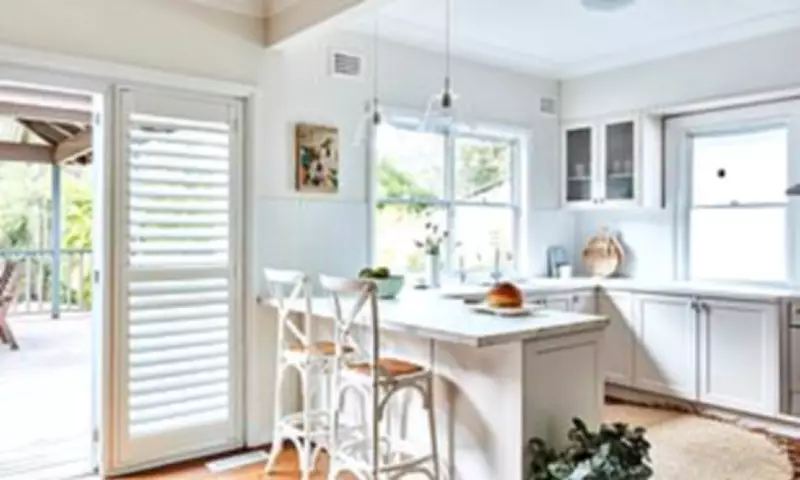
Breakfast Bars Fall Out of Fashion as Designers Declare Them Dated
Once celebrated for their space-saving appeal, breakfast bars are now being labelled as outdated and tacky by interior design professionals. Jordan Ashkenazi, a respected interior designer, has advised homeowners to reconsider installing these kitchen features, describing them as feeling "very of their time" in an unflattering way.
The Rise and Fall of Kitchen Breakfast Bars
Originally marketed as clever solutions for compact urban homes, breakfast bars promised efficient living without the need for traditional dining tables. "They genuinely seemed like the way forward," Ashkenazi explained, noting their initial appeal as slim, flexible perches that maximised limited floor space. However, the designer now reports that many homeowners are actively seeking removal options, signalling a significant shift in kitchen design preferences.
Functional Limitations Exposed
Ashkenazi highlights numerous practical shortcomings that have contributed to breakfast bars' declining popularity. "They are fine for a quick coffee or croissant, but anything beyond that quickly becomes uncomfortable," she revealed, describing the experience of sitting on barstools with dangling feet as far from ideal for work, meals, or extended gatherings. The designer emphasised that what was intended as practical often proves "surprisingly limiting" in daily use.

Clutter Magnets and Design Compromises
Rather than becoming the household hubs their installers envisioned, breakfast bars frequently transform into "dumping grounds" for household clutter. Keys, post, school bags, Amazon parcels, and half-eaten toast commonly accumulate on these surfaces in busy homes. Ashkenazi further criticised their design limitations, noting that many freestanding versions lack sophistication and struggle to complement refined or luxury interiors. "Many look lightweight, can feel flimsy over time, and simply do not deliver the level of craftsmanship clients now expect," she observed.
Visual Impact and Circulation Issues
The designer pointed out that freestanding breakfast bars often appear "visually heavy" and can disrupt kitchen flow. "They can interrupt sightlines, block circulation, and make a room feel chopped up rather than fluid," Ashkenazi explained. What once felt contemporary now frequently appears as an afterthought installed merely because kitchens were expected to include one.
Modern Alternatives Gaining Popularity
Rather than abandoning breakfast-style seating entirely, Ashkenazi notes that kitchen design has evolved toward more integrated solutions. Kitchen islands with well-designed overhangs create "more intentional" spaces, while built-in banquettes are making strong comebacks in family homes. Even modest dining tables positioned near kitchens often function better both visually and practically than tall freestanding bars. Homeowners are increasingly seeking "calmer and more considered" kitchens that work throughout the day rather than just during morning coffee rushes.
Design Philosophy for Modern Kitchens
For those planning kitchen renovations, Ashkenazi recommends careful consideration before installing breakfast bars. The crucial question homeowners should ask themselves is: "How do you actually live, not how a show home tells you to?" She compares design trends to fashion cycles, suggesting freestanding breakfast bars may join shag carpets, glass brick walls, and avocado bathrooms as fondly remembered but not particularly missed features. "While the freestanding breakfast bar had a very good run," Ashkenazi concluded, "it may now be quietly exiting the stage of contemporary kitchen design."