Photographs have revealed a striking low-cost lifestyle emerging within China's vast, semi-abandoned housing complexes, following the collapse of the country's debt-fueled real estate bubble. These sprawling developments, constructed during a period of intense speculation, now stand partially empty across the nation, presenting an unexpected opportunity for budget-conscious residents.
The Rise and Fall of 'Life in Venice'
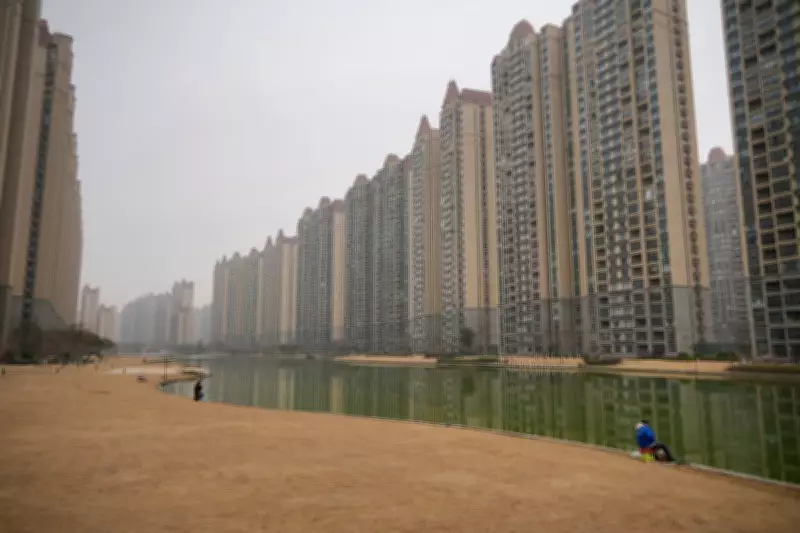
One prominent example is the 'Life in Venice' residential complex, perched on China's east coast just ninety minutes from the bustling commercial hub of Shanghai. Inspired by the famed Italian city, the development features European-style sculptures and buildings interconnected by a network of canals and bridges. It was originally marketed as 'the garden of Shanghai,' promising prospective buyers a luxurious, resort-like lifestyle by the sea.
From Luxury Promise to Ghost Town Reality
However, the property market faltered several years ago, culminating in the 2024 bankruptcy declaration of its developer, the giant conglomerate Evergrande. Today, 'Life in Venice' has transformed into a ghost town with a sea view, with a significant portion of its units remaining unsold. Property prices in the complex have plummeted by more than half from their peak.

Many villas now stand abandoned, reduced to mere husks of concrete and alabaster, their private docks left unused and decaying. This dramatic devaluation has created unprecedented affordability, with a three-bedroom apartment available for rent at just 800 yuan (approximately $116) per month.
A New Kind of Tenant
These bargain prices are attracting a specific demographic: individuals seeking a laid-back, low-cost way of living and an escape from the hypercompetitive, high-pressure environment of China's major megacities. For them, these semi-deserted complexes offer a viable alternative.
Life in a Semi-Abandoned Development
A basic infrastructure sustains the small community that has chosen to move in. A few grocery stores, some restaurants, and a package delivery station provide essential services. During the winter months, the complex is largely quiet, with residents embracing a significantly slower pace of life.
Photographic evidence curated by Associated Press editors depicts this unique existence. Scenes include men fishing casually next to a deflated, oversized rubber ducky decoration, children's clothes hung out to dry in public areas, and a lone individual swaying on a swing on an empty beach, gazing out at an abandoned pier. These images capture the stark contrast between the development's original opulent vision and its current, tranquil, and affordable reality.
The phenomenon highlights a significant socioeconomic shift in post-bubble China, where the remnants of a collapsed property frenzy are being repurposed into havens for those priced out of the country's frantic urban centers.