Detroit's Bold Cash Incentive Program Aims to Reverse Population Decline
In a groundbreaking effort to revitalise its population and economy, Detroit is rolling out a new initiative that offers thousands of dollars in cash to individuals willing to move to, stay in, or invest in the city. The program, named 'Make Detroit Home', provides selected residents with financial benefits of up to $15,000, though competition is expected to be intense due to limited availability.
Limited Spots and Strategic Priorities
The initiative will distribute just over $500,000 in total benefits, with only around 300 people anticipated to be selected. Priority will be given to entrepreneurs and small business owners, reflecting a strategic focus on fostering local economic development. Successful applicants can utilise the cash for various purposes, including home down payments, rent, renovations, or even funding a business venture.
Hilary Doe, President and CEO of MoveDetroit, emphasised the historic nature of this effort. 'We're making history,' Doe stated. 'There has never been a city-wide effort of this magnitude, with this many organizations, all working together to grow Detroit’s population and economy.' Participants will also gain access to industry and community events, park passes, and discounts at local businesses, enhancing the overall appeal of relocating.

Private Funding and Coalition Support
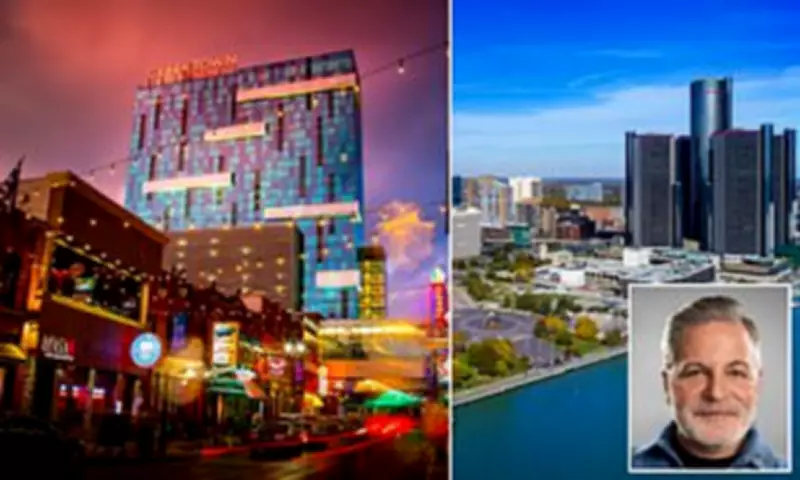
Contrary to public assumptions, 'Make Detroit Home' is not a publicly funded venture. Doe confirmed that over 50 Detroit-based organisations, and counting, have joined forces to finance the project. The coalition is chaired by Dan Gilbert, the Detroit-born founder of Rocket Mortgage, who highlighted a longstanding issue: 'For too long, we've been educating some of the most talented young people in the country, only to watch them leave to places like New York City, Atlanta, California, Seattle, Miami, and elsewhere.'
Gilbert added, 'Our city and state has basically been running a free training program for other cities. At our largest universities, we are losing nearly half our graduates. But today, we're flipping that equation.' Major corporations such as Rocket Mortgage, Google, Fifth Third Bank, Henry Ford Health, Birdstop, and StockX all maintain a presence in Detroit, supporting this revitalisation push.
Varied Incentives Based on Applicant Type
The financial incentives vary depending on the applicant's circumstances. Selected remote workers moving to Detroit will receive $1,000 to help cover relocation costs. Meanwhile, chosen applicants already living in the city or former Detroiters returning to the area will be offered $15,000. This sum can be applied towards business investments, work projects, down payments, home renovations, or other housing subsidies.
Gilbert outlined the program's goals: 'We are going to keep the people who are already here. We are going to bring back those who left. And we're going to attract the next generation of builders, creators, and entrepreneurs from everywhere, including the cities who stole our kids.' Doe reinforced this vision, noting, 'Our flagship program, Make Detroit Home, ensures that all Detroiters, current and future, are provided with opportunities to build their brightest possible future right here in this amazing city.'
Detroit's Economic and Social Transformation
Known historically as Motor City, Detroit has long been a hub for auto manufacturing and industrial investment. However, the decline of major carmakers and the mortgage crisis in the 2000s led to a significant exodus, with millions leaving their homes. Less than two decades ago, one in five houses stood empty, and foreclosed properties on deserted streets were sold for as little as $1.

Recently, Detroit has experienced a dramatic revival. Despite its reputation as one of America's most violent cities, crime rates have been consistently decreasing. According to the Detroit Police Department, homicides, nonfatal shootings, and carjackings are currently trending 15 to 30 percent below 2024 levels. Chief Judge William C. McConico commented, 'Detroit’s progress in reducing crime shows what’s possible when the Court and our justice partners work together with purpose. We’re not just improving outcomes today, we’re building a safer, stronger city for the future.'
Luxury Housing Market and Infrastructure
In a notable economic indicator, Detroit overtook St. Louis last year as the number one luxury housing market in the region. Homes in Detroit's luxury market remain far more affordable than in most major metropolitan areas, with the most expensive properties listed at around $720,000 compared to a national average of about $1.24 million. The city also boasts infrastructure such as the free 'People Mover' downtown loop, city-wide buses, and bike-sharing services, enhancing its livability.
This comprehensive approach, combining financial incentives, private sector collaboration, and improvements in safety and housing, positions Detroit as a compelling destination for new residents and investors alike, marking a significant step in its ongoing economic and social resurgence.