Italian Family Ordered to Pay £150,000 After Losing Parking Lane Legal Dispute
An Italian family operating an unlawful car repair business from a lane behind their North London homes has been hit with a staggering £150,000 bill following a protracted legal battle. Rocco Grasso, his siblings Vito Grasso and Rita Palmieri, along with cousins Michelle Viscido and Loredana Di Spirito, sought to establish historical parking rights in the lane behind their terraced properties in Arnos Grove.
Neighbour's Opposition Sparks Lengthy Court Case
The family's applications were vigorously opposed by next-door neighbour Raffaele Raimondo, who has operated an ice cream business for forty years and maintains a garage at the lane's end for his vehicles. Mr Raimondo claimed his family's access was consistently obstructed by Rocco Grasso, his brother Vito, and nephew Massimo Palmieri, who were allegedly repairing cars in the lane before selling them commercially.
This disagreement escalated into a remarkable seven-day hearing at the First-Tier Tribunal Property Chamber, where the family's case ultimately collapsed under judicial scrutiny. The proceedings revealed farcical elements, including Italian-speaking witnesses submitting nearly identical English statements they couldn't comprehend, requiring line-by-line translation during testimony.

Evidence Undermines Family's Claims
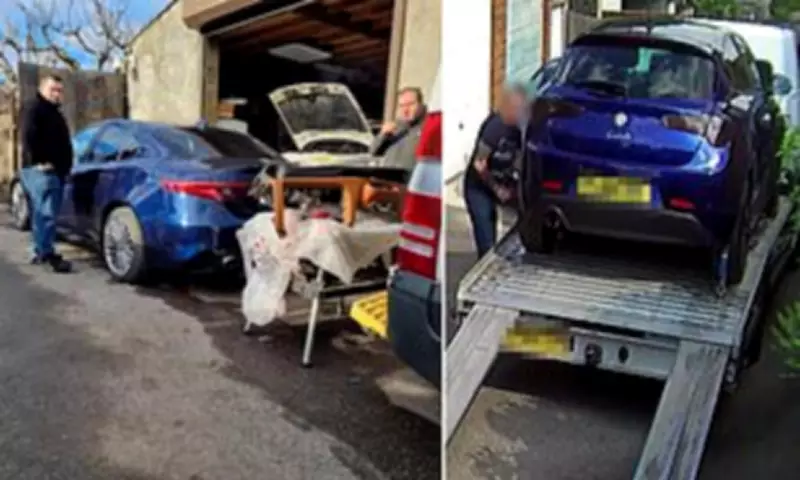
Despite denying commercial activities, the family's assertions were contradicted by photographic evidence showing damaged vehicles being delivered to the lane and screenshots of freshly repaired cars advertised on Auto Trader. The family maintained they merely sought parking "easement" rights based on usage since the 1970s, but trial judge Ewan Paton determined the applications were likely motivated by Rocco Grasso's "desire" to continue car repairs.
Judge Paton noted Enfield Council had previously denied planning permission for commercial use and issued enforcement notices against the repair activities. The five applicants now face paying Mr Raimondo's substantial legal costs, estimated at £150,000, in addition to their own expenses from a case the judge described as having "spiralled out of control and out of all proportion to the issues at stake."
Decade-Long Dispute With Escalating Tensions
The conflict originated in 2013 when Vito and Rocco Grasso, alongside Massimo Palmieri, allegedly began repairing cars in the lane, creating access difficulties for the Raimondo family. After Rocco Grasso failed to obtain commercial use permission and faced council sanctions for unauthorized modifications, Mr Raimondo purchased the lane's deed for £7,500 in 2020, enabling him to hire private parking enforcement.
This prompted retaliatory actions from the Grasso family, who covered vehicle number plates with tape and plates bearing Italian vulgarities. Subsequently, Rocco Grasso and relatives submitted Land Registry applications claiming historical parking rights through "easement" and "lost modern grant" doctrines, asserting over twenty years of usage.
Courtroom Farce and Questionable Testimony
The trial descended into absurdity when seven supportive witnesses, including Michelle Viscido's father Gerardo, required Italian translation of their own statements, raising doubts about their authenticity. Judge Paton observed that statements contained "legal language which I do not consider was his own" and were likely "drafted for them by or on the instructions of their children."
Legal representatives were forced to withdraw one key witness who lacked English comprehension, while other supporters included old school friends and business associates who didn't fully disclose personal connections. Notably, applicant Loredana Di Spirito didn't testify despite being named in applications, with the court learning she hadn't spoken to her sister in years.
Judgment Favours Ice Cream Entrepreneur
Judge Paton determined any historical parking was "occasional, and often temporary... at best" and found Mr Raimondo's evidence more credible, including testimony from a neighbour residing nearby since 1959 who never observed regular lane parking before repair activities began. The judge concluded the parking applications "could be traced back" to previous failed commercial use attempts and would unlawfully "oust" legitimate users if granted.

In his written judgment, Judge Paton lamented the case's disproportionate scale, involving forty-seven witnesses and extensive evidence for a parking dispute. He expressed regret that "two very closely knit, hard-working and successful families of Italian origin" engaged in such "bitter" conflict, hoping they could eventually "co-exist and co-operate as neighbours."
When contacted by reporters, Michelle Viscido indicated the family would respond later, while the Raimondo family declined comment. The judgment stands as a costly lesson in neighbourhood disputes escalating beyond reasonable bounds.