Labour's Decade-Long Delay on Decent Homes Standard Provokes Outrage Among Renters
Millions of renters across England will be forced to wait nearly a full decade before gaining access to basic housing standards, following the Labour government's decision to postpone the enforcement of the decent homes standard until 2035. This flagship policy, designed to compel landlords to maintain rental properties in a reasonable state of repair, free from damp and mould, has been met with furious reactions from MPs, housing campaigners, and tenants alike.
Alarming Statistics Highlight the Scale of the Problem
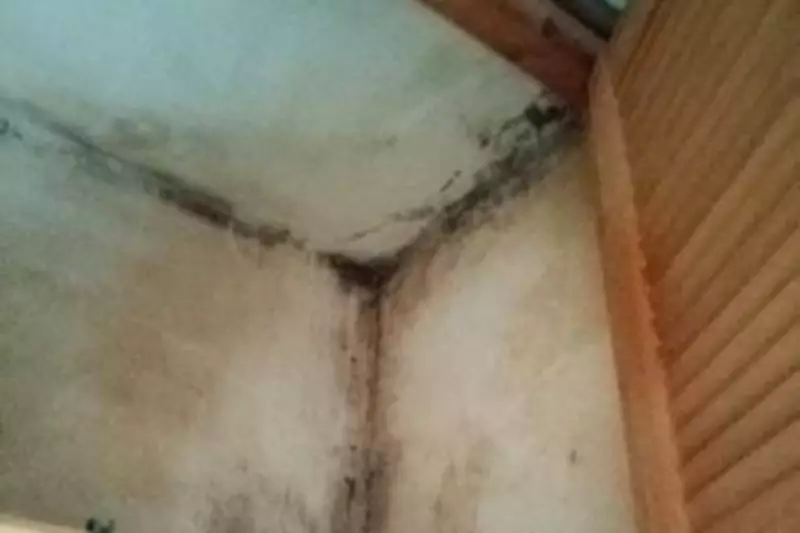
According to the English Housing Survey published in late January, more than a fifth (22 per cent) of privately rented homes in England are classified as non-decent. This translates to over one million properties nationwide failing to meet basic standards, a figure that has remained stubbornly unchanged since 2019. The delay means that countless tenants will continue to endure substandard living conditions for years to come.
Personal Stories of Suffering and Neglect
Tish, a mother-of-one from Liverpool, moved into her flat in 2017 with expectations that necessary repairs would be addressed during her tenancy. Instead, she endured what she describes as "eight years of murder" due to unresolved damp, mould, and disrepair that severely impacted her health and safety. "I think that's absolutely disgusting," she said, reacting to the government's delay. "If landlords knew that there was a more robust system there … they wouldn’t try and pull half the stuff they do."

Her ordeal included a leaking flat roof extension that eventually collapsed in 2024, flooding the kitchen and posing lethal risks. She also faced crumbling stairs, missing railings, cupboards falling off walls, and carpets infested with mould spores that attracted rodents. "My daughter and I both suffered really bad ill health from all of it," Tish explained. "We had breathing issues. There wasn’t a day that went past we didn’t feel unwell." She added that her landlord "knew he would get away with it, and he has."
Another Tenant's Struggle with Damp and Mould
Adrian Fletcher, 54, relocated to a flat on the South East coast in December 2024 after receiving a Section 21 eviction notice from his previous home of 11 years. After a four-month search under the threat of homelessness, he settled for a property he calls "indescribably horrible," with damp and mould in nearly every room. The spare room walls are so wet that moisture transfers to the touch, and mould has even destroyed DVDs stored in cardboard boxes.
"I am appalled by the delayed changes," Adrian stated. "I understand ... that this is not something that can happen overnight. But to put a near 10 year limit on it, seems absolutely ridiculous." The poor conditions, including single-glazed windows and rising damp, exacerbate his chronic pain from a spine injury. He remains hesitant to demand repairs, fearing another Section 21 eviction, despite the upcoming ban on no-fault evictions in May under the Renters' Rights Act.
Current Regulations and Proposed Improvements
Under existing rules, private landlords must eliminate 'Category 1' hazards, such as severe mould and disrepair that could cause injury or illness. Local authorities can enforce this with fines up to £30,000, rising to £40,000 in May. The decent homes standard, already applied to social housing, would extend these requirements to include reasonably repaired windows and boilers, modern kitchen and bathroom facilities, and adequate heating.

Campaigners Condemn the Government's Lack of Urgency
Paul Shanks, spokesperson for the RRC, criticised the delay, saying, "A fifth of rented homes in England fail to meet the government's Decent Homes Standard. A range of issues, from damp and mould to faulty boilers and broken windows, blight the lives of millions of renters, many of whom pay through the nose for the privilege." He added, "The government's lack of urgency gives neglectful landlords a green light to continue profiting from rotten homes, and will have real consequences for the health and wellbeing of millions of tenants. We're asking the government to bring the timeline forward - renters cannot afford to wait a decade for these basic protections."
Government Response and Future Measures
An MHCLG spokesperson defended the current framework, stating, "The current rules are clear that landlords need to fix serious problems where they exist now, and councils can issue large fines to landlords in the worst cases." They highlighted ongoing efforts through the Renters' Rights Act and Awaab's Law, with plans to extend the latter to private rentals and introduce a Private Landlord Ombudsman from winter this year. "Some of the Decent Home Standard measures such as the updated Minimum Energy Efficient Standards will be implemented sooner leading to cheaper energy bills and warmer homes for tenants."
However, for renters like Tish and Adrian, these assurances offer little comfort as they face years of continued hardship in homes that fall far short of decency.