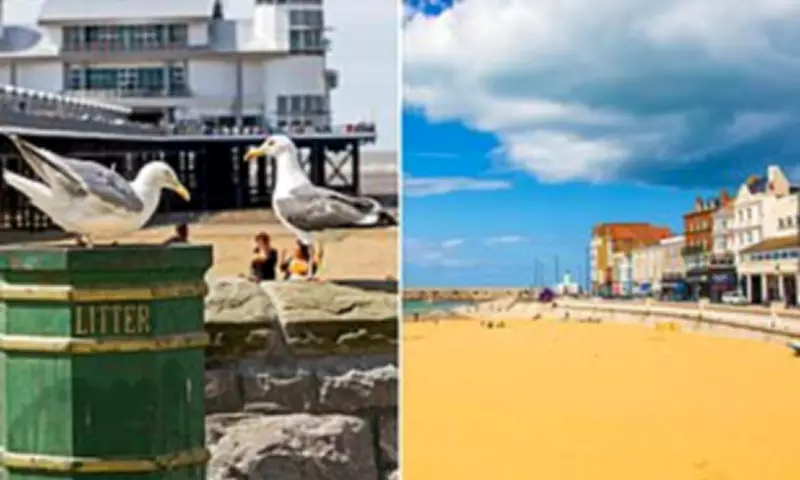
With inflated house prices, poor air quality, and constant traffic congestion, the English capital can be an unforgiving place to live. Is it any wonder that many of its residents are now dreaming of a simpler, more tranquil life by the sea? Migration to the UK's coastal towns is steadily increasing, with destinations such as Margate, Brighton, and Whitby emerging as some of the most desirable resorts for those seeking a fresh start beside the ocean.
The Driving Forces Behind the Coastal Exodus
The primary catalyst for this migration is almost certainly the stark contrast in house prices. For example, the average cost of a four-bedroom home in Whitby, North Yorkshire, stands at approximately £454,991, compared to a staggering £950,000 in London. Beyond financial savings, there is the undeniable appeal of waking up to the soothing sound of the sea and finding a community that is not enslaved by the relentless rat race of city life.
Margate: A Case Study in Gentrification
If you choose a town like Margate, where gentrification is actively underway—spearheaded by renowned British artist Tracey Emin—you gain access to a vibrant cultural scene. This includes art galleries, quirky boutiques, and interesting restaurants, making it an attractive hub for newcomers. The coastal dream, with its promise of cheaper housing, fresh air, and a quieter lifestyle, has enticed a significant number of people away from the urban sprawl of London.

New Neighbors and Local Perceptions
However, ask residents in some of these coastal towns about their new neighbors, and they might highlight certain stereotypes. These newcomers often arrive in removal vans filled with dreams, pinning their future happiness on a new life by the sea. In Kent and Sussex, the term "DFLs" (Down from Londons) has become a common nickname for those who sell up and relocate to the region's beach towns. Here is a guide to the types of city dwellers who are trading their urban lives for a coastal existence.
The 'DINKS' Who Cashed In
Mortgage-free by 40? This savvy couple is on track to achieve just that. Their Camden flat, purchased with help from the Bank of Mum and Dad in their early twenties, has proven to be a lucrative investment. They are DINKS—Double Income, No Kids—and are passionate about the FIRE movement: Financial Independence, Retire Early. After a year of weekend reconnaissance trips to various coastal hotspots and consulting ChatGPT for guidance (though ignoring its suggestion of Grimsby), their research points them toward Ramsgate.
What does a trendy £950,000 two-bedroom flat in London's NW1 postcode get you in this slightly rundown Kent harbour town? A fully renovated, six-bedroom sea-facing townhouse, complete with a one-bedroom maisonette that can be rented out—all for around £750,000. While there may only be one road reminiscent of Camden—arty Addington Street—they believe that in 30 years, this area will be "the new Whitstable." When friends visit for the weekend, they plan to meet them in Margate.
The Middle-Class Families
A desire for more space and a "fresh air childhood" for their growing children has led many middle-class parents to fall under the seaside spell. Brighton, and particularly Hove, is especially appealing to those burdened by high mortgage payments in London's family-friendly enclaves like Clapham, Richmond, and Barnes. They head south to double their living space for much less money and quickly immerse themselves in local activities to meet like-minded people.
The quickest way to become a Brightonian? Joining the local wild swimming club—there is nothing like plunging into the English Channel in Sweaty Betty swimwear to bond with strangers. Meanwhile, Dad plans to train for a triathlon, starting as soon as the rain stops. The children, happily engaged in school plus extracurricular activities like ballet, rugby, theatre, and swimming classes, have barely noticed the move, as it feels similar to Clapham. The family enjoys independent shops, long walks with their cockapoo (acquired after the move), and brief interactions with the town's "eccentric" artist community.
Minor drawbacks include the 3am weekend noise and the occasional seaside party debris, such as plastic BuzzBallz containers and discarded chip trays, that litter the front of the house on Sunday mornings.

The B&B Owners
This well-travelled duo—he was a trader, allowing them to experience five-star luxury—feel qualified to understand exactly what weekenders want. They sold their Victorian terrace house in Fulham for over a million pounds and purchased an unloved B&B in a four-storey Edwardian mansion on the south coast. They have transformed it with white linen on the beds, locally sourced seaweed products in the en suites, and maritime-themed artwork. Rooms are priced at £250 per night, including a "local fry-up" for breakfast.
For the first six months, their enthusiasm manifests in an intense cheeriness that can overwhelm guests, who may hurry to close their bedroom doors and dread another life story over breakfast. The novelty eventually fades due to challenges like mascara-stained towels, pilfered products (even mini ketchup jars), and the harsh winter winds that were absent when they moved in during May.
The Retirees
Among those leaving London, retirees arguably deserve the coastal dream the most, having paid their dues over decades. This cultured pair, former academics with a rich social life, have saved for years to realize their vision of living in a cultural seaside idyll. They choose a pretty village on the South Coast with nearby urban amenities, seeking peace with a touch of sophistication.
They dream of leisurely mornings by the ocean with coffee and books, attending local life drawing classes to meet like-minded individuals, and enjoying affordable theatre. However, change can be challenging later in life. Three months into their move, both literal and metaphorical grey clouds set in. Seagulls prove more annoying than London pigeons, and their beloved Lebanese food is unavailable. While their Freedom bus pass offered more freedom in the capital, once they leave London's spiraling property prices, there is no turning back.
The Hipsters
Shoreditch is considered passé by 2023 standards. The coolest individuals now reside in Margate, indulging in viral donut shop treats and visiting free exhibitions at the Turner Gallery. Tracey Emin is their icon, and their ideal rental is a spruced-up apartment in the Brutalist beachside tower, Arlington House. Although locals may view this 1960s structure as an eyesore, a two-bedroom rental costs around £1,000—or £250 per person if shared—significantly cheaper than a Dalston bedsit.
Dreamland amusement park nearby is perfect for 23-year-old "kidults" who enjoy roller-skating, penny slots, and dodgems. Cliftonville, once a dubious street in Margate, is now filled with coffee houses, vintage clothing stores, and vinyl record shops. For these hipsters, East London is officially over, replaced by the vibrant coastal charm of Margate and Brighton.